
2026-11-06
Outdoor Lighting Installation: Expand Later?
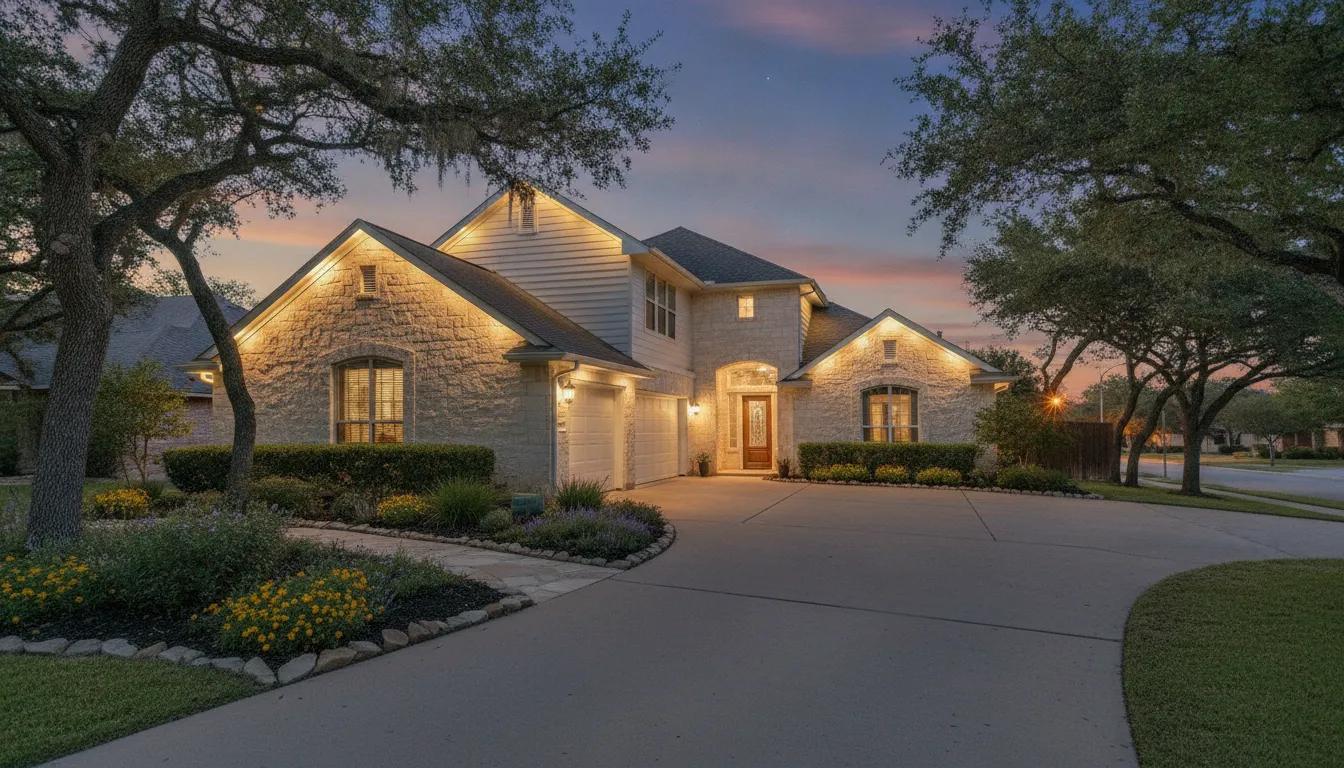
Yes, a permanent lighting system can often be expanded later. The honest answer depends on the property, the first install, and what you want to add. Outdoor lighting installation is not a one-size product you stretch by buying more lights. LIT365 plans each run for the roofline, the power available, and the elevations you name. A later addition is a new scope, not a guess from the first invoice.
Call (512) 988-3110 to plan a later lighting addition
This guide is for homeowners and property managers in Austin, San Antonio, and Dallas. It covers what to save after the first install, which changes call for a fresh look, and how to phase a second elevation. It does not replace the first-project overview on the outdoor lighting installation page, and it does not publish a price. LIT365 quotes from the address and the elevations you want lit.
What "expand later" actually means
Expansion means adding lighting to a part of the property that the first project left dark. Common next steps are a garage wing, a rear patio eave, a guest house, or the street-facing peak you skipped to keep the first visit smaller. It can also mean lighting a new covered porch after a remodel.
It does not mean swapping holiday colors on a run that is already there. One installed roofline can already serve holiday color, game day, security visibility, and patio ambiance. Those are uses of the same system. Expansion is new coverage.
A useful test is simple. If the new idea still sits on hardware that is already mounted, you are changing a scene, not expanding. If it needs track, clips, or power on a surface that was never in the first scope, you are expanding. Write that difference down before you call. It keeps the second conversation about the new elevation, not about features you already have.
Why the first visit cannot promise the second
The first crew sizes the work they can see. They do not know that you will add a porch, replace a roof, or buy the lot next door. A note that says "we can always add more" is not a plan. A plan names the next surface, the season you want it, and whether power is already nearby.
LIT365 does not publish controller limits, wattage, lumen counts, or warranty length. Those details need approval before they go on the site. Treat any number you see on a product box or a rival blog as that product's claim, not as a LIT365 spec. The second quote starts from your address again.
What to record during the first outdoor lighting installation
The second project is faster when the first one leaves a paper trail. Ask for these items before the crew leaves. None of them requires a secret product spec. They are notes about your house.
- Save a simple elevation sketch or marked photos of every run that was installed, and of the runs you chose to skip.
- Note where the system is powered and which exterior outlets or circuits the installer used.
- Keep the date, the property address, and the service type you selected on the quote form.
- Photograph mounting points in daylight so a later crew can match the line, not invent a new one.
- Write down any surface the installer would not mount on, and why, in plain words.
- List the next elevation you already know you might want, even if you are not ready to buy it.
Store that packet with your closing papers or your property file. A property manager should keep a copy for the association, not only in one owner's phone. When a board changes, the photos still answer "what did we already light?"
If you are still choosing a first installer, the Austin installer guide covers questions for that first hire. This article assumes the system is in, or that you are planning the first visit with a later phase in mind.
A phase note is not a second contract
Saying "phase two is the back eave" does not lock a price or a date. It tells the next visit where to look. Access, roof work, and HOA rules can change the answer. The note still saves a site walk from starting at zero.
Which property changes should trigger a new look
Some additions are small. Some reopen the whole plan. Use the table as a sorting tool, then confirm the row on a quote. It is not a promise that every "usually a new assessment" row is impossible, or that every "often straightforward" row skips a visit.
| Change you are considering | What to check first | Typical next step |
|---|---|---|
| Light one more existing eave that was skipped. | Same mounting style, power nearby, and no new roof work. | Often a short second scope if access is clear. |
| Add a patio or porch cover that did not exist. | New structure, new eave line, and who built it. | New assessment after the structure is finished. |
| Replace the roof or the soffit on a lit elevation. | Whether the run must come down for the roofing crew. | Plan removal and reinstall with the roofer's dates. |
| Light a detached garage or guest house. | Distance, power at that building, and how you want it controlled. | Treat it as its own zone, not a long daisy chain. |
| Repaint, reside, or change fascia on a lit wall. | Whether mounts will be removed for the siding crew. | Schedule lighting around that trade, not after the paint is done. |
| HOA or commercial rule change. | Written rules on color, brightness, and hours. | Bring the rule with the address before design work. |
| You moved to a different house. | The system was planned for the old roofline. | Do not assume hardware moves. Start a new address quote. |
Roof replacement deserves its own sentence. Permanent lights follow the roofline. A roofing crew that does not know they are there can damage the run or leave it in the way. Tell both trades early. LIT365 can discuss timing on a site-specific quote. It does not publish a removal fee.
A move is the cleanest break. The old house's layout, power, and HOA rules do not travel. Ask for a new quote at the new address. If you want the old system discussed, say so, and expect a property-by-property answer rather than a transfer promise.
How to phase a later addition without a messy roofline
Phasing works when each visit finishes a whole visual line. A half-lit front gable reads as unfinished in daylight, which is when neighbors and buyers notice hardware. Pick an elevation and complete it. Leave the next elevation for the next visit.
Match the mounting approach already on the house. The installation gallery is a reference for effects, not a catalog of parts. If the first run follows the soffit, the addition should follow the soffit too. Mixing a visible clip style on one wing and a different line on the next wing shows up in sun, even when both look fine at night.
Keep control simple in the way you describe it. You do not need a brand name to say "the new run should take the same scenes as the front." Ask whether that is practical for your house. If it is not, ask for a separate zone and a plain explanation of how you would turn each one on. Do not accept a diagram you cannot read six months later.
Order the work around other trades
The cleanest expansion happens before finish work, not after. If a porch is going up, light it when the framing and the electrical rough-in are still open. If painters are scheduled, ask whether mounts should wait until the paint cures or go up with a plan to protect them. Write the sequence in the quote request so nobody assumes the lights go last by default.
New construction is a different timeline. House plans can show eaves that do not exist yet. This article is about a system that is already up, or a first install you intend to grow. If the first visit is still ahead, bring the plan set and mark the elevations you want now versus later. Use photos of the finished eaves when you do not have plans.
Power, access, and safety limits you should not guess
Adding lights adds electrical load and it adds people on ladders. Both are reasons to stop and ask, not to extend a cord from a bedroom outlet. The National Fire Protection Association says home electrical work should be done by a qualified electrician, and it tells owners to call one when breakers trip often or lights flicker and dim. Read the NFPA electrical safety guidance before you treat a new eave as a spare-outlet project. That page is general home safety, not a permit ruling for your city.
Low-voltage landscape kits and line-voltage soffit systems are not the same job. Search results for outdoor lighting installation often show garden-cable steps and a transformer in a flower bed. A roofline system is mounted on the house and tied to the building's power. Do not copy a yard-kit diagram onto a soffit. Do not assume a landscape transformer has room for a new eave.
Ask these questions instead of inventing wattage math:
- Does the new elevation need its own power source, or can it share what is already there?
- Will the work open a panel, add a circuit, or need a permit in this city?
- Who is allowed to do that electrical work, and is it inside the lighting visit or a separate trade?
- Where will ladders or lifts sit, and will gates, dogs, or steep grades block them?
- Are there solar panels, skylights, or a steep pitch the first crew already avoided?
If the answer to the panel or permit question is yes, that is electrician work. LIT365's quote can include coordination notes. It should not be read as an electrical license claim. LIT365 does not publish an unverified license number, and this article will not invent one.
Ground-fault protection matters anywhere water and outdoor outlets meet. Ask whether the circuit you would use already has it. Do not defeat a GFCI because it tripped during a test. A trip is information. It may mean the circuit is wrong for the addition, which is cheaper to learn before the mounts go up.
When the next phase should wait
Not every dark section needs to be added immediately. If a roof replacement, siding project, porch build, or solar installation is already scheduled, wait for the surface and access plan to settle before asking for a final expansion scope. The best time for a quote depends on what the crew can safely see and what will remain after the other trade is finished. A quick conversation can still help you record the future elevation, but treat that conversation as planning rather than a locked installation date.
Pause, too, when the first system has an unresolved problem. A section that is flickering, loose, or dark after a storm is a service question for the existing run. Adding a new wing before the original line is understood can make the visit harder to document. List the repair and the possible expansion as separate items so the installer can tell you what is already installed, what needs attention, and what would be genuinely new.
Finally, do not let a future phase force a bad first choice. It is useful to mention the back patio or detached garage during the first quote, but the current installation still needs to suit the current property and budget. Ask the installer to note the possible next surface without treating it as reserved capacity, a guaranteed match, or a future price. That distinction keeps the record useful while leaving the next decision to a fresh address-and-scope review.
What to send when you are ready for the next quote
LIT365 starts from the property address. The contact form asks for name, phone, email, service address, and whether you need lighting, gutters, or both. Gutter work routes to sister brand TX Gutter Solutions through that same form. Use Lighting if this visit is only about the system. Use Both only if you also want gutters discussed.
For an expansion, add four facts in the message or have them ready on the call:
- The address, including unit or building number for a managed property.
- Which elevations are already lit, and which one you want next.
- Any roof, siding, porch, or solar work that is scheduled.
- HOA or commercial rules on color, hours, or brightness, if a board has written them.
Phone lines are on the site if you would rather talk. Austin is 512-988-3110. San Antonio is 210-716-7750. Dallas is 682-259-4438. There is no published promise of a 24-hour crew. Call the market that matches the property.
Service area is address first. The service area page names Austin, San Antonio, and Dallas, and it says exact radius and travel rules are still confirmed per address. Do not assume a suburb is in or out because a neighbor has lights. Enter the full address and let the qualification step answer it.
How a second quote differs from the first
The first quote defines a starting roofline. The second quote should say what is new, what stays, and what might have to be touched so the lines match. Ask for that split in writing. A single blended total makes it hard to see whether you are paying for the patio eave or for repairs to the original run.
Compare proposals on scope, not on a citywide rate. The Austin soffit cost guide explains why LIT365 does not publish a dollar price and which access and scope choices move an estimate. Those same choices apply in San Antonio and Dallas. Height, steepness, landscaping, and how much of the roofline you add still change the visit. They do not produce a rate you can multiply by feet from a blog.
Commercial properties and HOAs
A house and a retail eave share the same planning idea and not the same approval path. On a home, one owner can pick the next elevation. On a shop, an HOA street, or a managed community, someone else may control color, hours, and which buildings can be lit.
Bring the decision maker into the quote. A maintenance lead who cannot approve the front elevation will burn a site visit. Ask the board which elevations are allowed, whether color scenes are limited to warm white, and who must be on site. LIT365 serves homes and businesses in the three Texas markets. It does not publish a separate commercial price list.
For a multi-building site, expand one building completely before you jump to the next. Partial outlines on five buildings look accidental. One finished building gives the board a real example. The gallery's roofline and patio groupings can help a committee see effects. They are customer-supplied photos, not a promise that your facade will match a picture.
Tenants add one more step. A renter who likes the lights may not be the person who can approve mounts on the fascia. Confirm who owns the decision and who pays before you design a second side. That is also why a lighting system planned for one leased bay should not be described as portable to the next lease.
Mistakes that make a later addition harder
The expensive problems are usually decisions from year one, not from the day you add lights.
- Lighting only the easy front and leaving an odd gap that no later run can finish cleanly.
- Letting another trade remove mounts and "put them back" with no photos of the original line.
- Buying a different style of hardware online so the new wing does not match the first.
- Hiding the only notes in a text thread that leaves with a former employee or a realtor.
- Assuming a yard-lighting tutorial applies to a soffit mounted on the house.
- Asking for a price per foot from a blog instead of an address and an elevation.
None of these requires a secret setting in an app. They are coordination mistakes. Fix them by keeping the photo packet, finishing whole elevations, and sending the address before you pick hardware.
If a section fails after a storm, treat that as service on the existing run, not as expansion. Say what went dark and when. Mixing a repair and a new wing in one vague request makes both slower. You can still book them in one visit. Just name them as two items so the quote can separate them.
A simple decision path
Use this order when you are unsure whether to call.
- Name the surface. If it is already lit, you want a scene change or a repair, not an expansion.
- Check the packet from the first install. If you do not have photos, take new daylight photos before the call.
- Look for trades. If a roof, porch, or repaint is coming, time the lights with that work.
- Ask the power question. If the new building is far from the current source, expect a separate zone.
- Confirm who approves. Owner, board, or tenant: only one of those can say yes.
- Send the address and the next elevation through the quote form, and keep brand-spec questions out of the request.
That path is the whole job of this guide. The lighting page remains the place to see holiday, game day, security, and patio uses of one roofline. The permanent outdoor lights guide remains the broad product overview, including the short note that some systems can grow. Come back here when the question is specifically "can we add more later, and what has to be true first?"
Texas weather belongs in the timing, not in a performance claim. Hail, heat, and sudden storms are reasons to photograph mounts and to avoid scheduling a roof and a lighting crew for the same morning without a shared plan. They are not a reason to invent a wind rating. If a storm damaged a lit eave, include that in the quote notes so the visit covers repair and any new run as separate lines.
When you know which elevation comes next, call (512) 988-3110 or request a site-specific lighting quote. Include the address, what is already lit, and any roof or remodel dates. If you are checking the market first, start with the Austin, San Antonio, and Dallas service area.
Frequently asked questions
Can I add lights a year or more after the first install?
Often, yes, if the new elevation is still a sensible mount and power can be planned safely. The gap in time matters less than roof work, siding changes, and whether anyone still has photos of the original lines. Start with the address and the elevation you want next. Do not expect the first invoice to list a reserved price for that future run.
Will the new section match the colors and schedules I already use?
Ask for that match in the quote. On many properties the goal is one set of scenes across the whole roofline. On others the new wing is clearer as its own zone. LIT365 does not publish app steps or a maximum light count. The installer should tell you, in plain language, whether your house can share scenes or should stay split.
Do I need an electrician to expand the system?
You need one if the work adds a circuit, opens a panel, or pulls a permit. A short run on an existing, appropriate exterior circuit may stay inside the lighting scope. Ask that question directly. Do not use a landscape-kit wiring guide as the test. NFPA's home electrical page is a reminder to use a qualified electrician, not a DIY checklist for your soffit.
Can I move the system if I sell the house?
Do not plan on it. The system was laid out for one roofline, one set of mounts, and one power path. A buyer of your current house may value the lights in place. Your next house needs its own address quote. Hardware does not automatically transfer, and this site does not publish a moving service or a removal price.
What if I only want the back patio for now and the front next year?
That is a normal phase, as long as each visit finishes the elevation it starts. Tell the first quote that the front is a later phase so the power and the mounting style are not boxed in. Then send a second request when you are ready, with photos of what is already up. You still will not get a citywide price for "the rest of the house." You will get a scope for the front.