
2026-10-23
Outdoor Lighting in Austin: How to Choose a Professional Installer
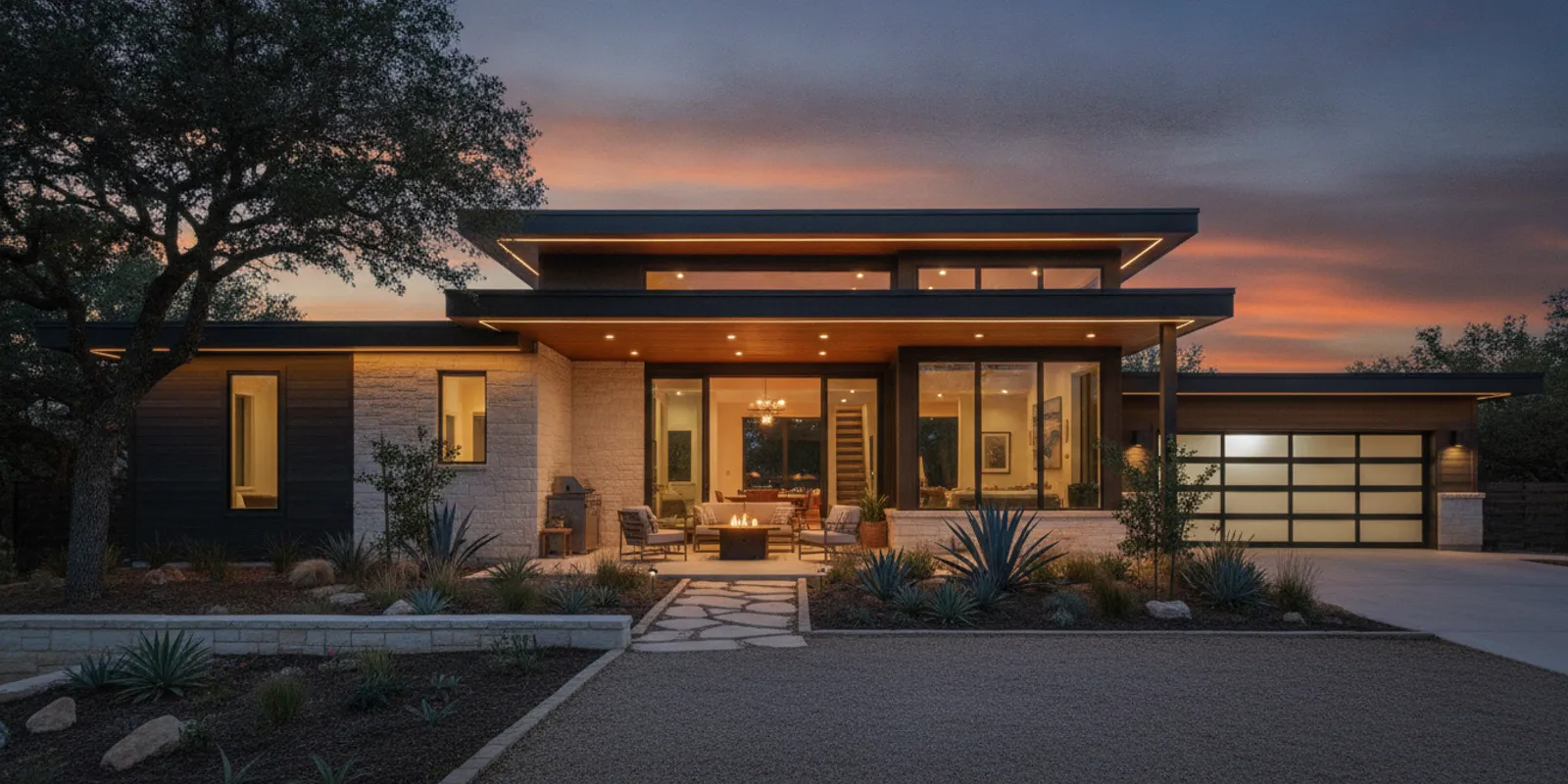
Choosing outdoor lighting in Austin is not just a matter of picking a fixture or color. The right installer should understand what parts of your property you want to illuminate, how the lighting will be used through the year, and what a complete installation involves. A few practical questions can help you compare proposals without relying on a vague price or an attractive photo alone.
What should an Austin homeowner decide before contacting an installer?
Start with the job you want the lights to do. Permanent roofline lighting can serve more than one purpose: holiday color, game-day displays, everyday exterior accents, security visibility, or patio ambiance. Those goals may lead to different choices about which elevations or outdoor zones belong in the project.
Walk around the property after dark if possible, and note the areas that matter most. You do not need a technical plan. A short list and a few photos give an installer a useful starting point. Look at the home from the street, from the driveway, and from the areas where your family spends time. The most visible roofline is not always the only area that matters.
- Which sides of the house should be included?
- Is the main goal seasonal decoration, everyday appearance, or a combination?
- Are there areas where you want more visibility, such as an entry or patio?
- Do you want one initial scope or to discuss possible future phases?
- Should the finished appearance be especially discreet during the day?
Being clear about priorities makes it easier to compare proposals on equal terms. If one quote covers the front only and another covers several elevations, the totals do not describe the same job. A useful first conversation is about the property and your intended use, not just the number of lights.
It helps to rank your priorities rather than treating every possible use as equally important. For example, a household that mainly wants holiday color may focus on the front roofline visible from the street. Another household may care more about the covered patio and side elevation where it spends time after work. A written priority list lets an installer explain what the proposed scope accomplishes and what it does not.
Make a distinction between must-haves and optional areas. You might consider the front entry essential, while a detached garage or rear elevation can be a future possibility. This distinction is useful if you want to compare one complete proposal with a phased alternative. Ask whether the phases can be described clearly, rather than assuming that a later addition will match an initial installation.
What does the installer include in the proposed scope?
Ask the installer to identify the included roofline sections and any excluded areas. The word “whole house” can mean different things. A written scope should make it possible to tell what will be lit, where the system will run, and what work is part of the installation.
For a permanent soffit or roofline project, clarify how the proposed placement relates to the architectural lines of the home. Ask how the installer plans to handle corners, changes in roof height, and transitions between visible sections. These questions are about understanding the plan, not demanding a particular product specification.
Ask whether the proposal includes only the primary front elevation or also side and rear elevations that can be seen from a street, pool, patio, or neighboring property. If a detached garage, entry feature, pergola, or other structure matters to you, mention it before the scope is finalized. A proposal is easier to evaluate when it names the areas under consideration.
Also discuss access. Roof pitch, height, landscaping, obstacles, and the available work area can affect how a project is approached. An installer should have a chance to understand the actual property rather than estimate from a broad city label alone. If a section is difficult to reach or has unusual construction, make sure that condition is part of the conversation.
One practical way to review a proposal is to sketch a simple elevation list. Write “front,” “left side,” “right side,” “rear,” and any separate structures down the page. Next to each, note whether it is included, excluded, or still undecided. The drawing does not need scale or technical detail; it is a memory aid that helps you spot omissions before you approve the project.
Then ask the installer to define the boundaries of each included section. Does the plan stop at a corner, continue around it, or end at a change in roof height? Are small entry projections part of the scope? If the home has a porch roof that meets a main roofline, confirm which one is covered. These details can seem minor when described verbally but have a visible effect on the finished outline.
Clarify whether the proposal is limited to roofline lighting or includes other areas. A homeowner may use the phrase “outdoor lighting” to mean pathway, landscape, wall-mounted, or soffit lighting. Lit-365’s core offer is professionally installed permanent soffit and roofline lighting, so make sure the scope you discuss matches the type of work you want. Do not assume that a roofline estimate includes unrelated fixtures or landscape work.
For mixed-use properties, identify the residential and commercial portions that matter. A business owner may want the building entrance included but not a loading area, or may be considering multiple facades. State the intended audience and use of each area. The installer can then assess whether the requested areas belong in one scope and explain any assumptions that need to be resolved.
How can you judge whether the lighting plan fits the home?
Look for a plan that considers the house as it is, rather than treating every roofline as interchangeable. The location of the home, its exterior materials, roof shape, entry, and patio all affect what a thoughtful layout may look like. Ask the installer to explain why the proposed sections suit your stated goals.
Think about daytime appearance as well as nighttime use. Permanent lighting remains on the home between occasions, so ask how the installation is intended to sit along the soffit or roofline when it is not illuminated. Review examples of completed work and focus on visible neatness, consistent placement, and how the lighting relates to different home styles.
Pay attention to proportion. A lighting plan should support the shape of the house rather than make one small section look disconnected from the rest. Long, uninterrupted rooflines may call for a different discussion from a home with multiple peaks, dormers, or lower additions. You can ask how the installer would keep the result visually consistent across those changes.
It can help to review a permanent lighting installation gallery for examples of roofline outcomes. Examples can help you describe your preferences, but they cannot replace a plan for your own property. When looking at photos, ask what you like about each example: the amount of roofline covered, the subtlety of the daytime appearance, the color effect, or the way the lighting frames an entry.
Use examples as a way to communicate, not as a promise that your house will look identical. A photo may show a different roof shape, viewing angle, or surrounding landscape. Tell the installer which part of the example appeals to you and ask how that preference could translate to your home. “I like the continuous line along the front” is more useful than simply asking for the same result without discussing the differences in architecture.
Consider the views you care about most. A front-facing display may be designed for the street, while a patio-oriented area may be viewed from close range. Stand where you expect to see the lights and think about whether a proposed section supports that view. If a tree, roof projection, or neighboring structure blocks part of the line, mention it so expectations can be realistic.
Discuss how everyday settings and special occasions relate. Lit-365 describes one installed roofline serving holiday color, game day, security visibility, and patio ambiance. You can explain which of these uses matter to your household and ask how the proposed placement accommodates them. Avoid asking an installer to infer your intended routine from a single holiday photo.
What should you ask about installation and workmanship?
A professional installer should be able to explain the work in plain language. Ask who will perform the installation, what the work area needs, how the proposed route follows the roofline, and what you should expect on installation day. You should understand the process before agreeing to a scope.
Ask how the installer will keep the work organized around landscaping, walkways, and other exterior features. Discuss any access concerns, including gates, pets, or areas that should remain clear. Do not assume that every property has the same conditions; raise anything distinctive during the site review.
Workmanship questions can be practical rather than technical. Ask how the team approaches corners, transitions, visible runs, and areas where the roofline changes direction. Ask what preparation is expected from you and how the crew will leave the work area when the installation is complete. The goal is to understand the experience as well as the finished appearance.
It is also reasonable to ask what is and is not stated in the proposal. Confirm the included work and any terms that matter to you in writing. Do not infer a warranty, product rating, or performance promise unless the installer provides it explicitly. If an answer is important to your decision, ask that it be reflected in the written scope instead of relying on a casual statement.
Before installation day, ask what needs to be accessible. You may need to move vehicles, clear a patio, unlock a side gate, or keep children and pets away from the work area. Do not guess what the crew needs; ask for a short preparation list based on your property. If some part of the home cannot be accessed at a certain time, raise that early and agree on a practical plan.
Also ask how changes will be handled if the site differs from the initial understanding. A trim detail or roofline transition may look different on close inspection than in a photo. Find out how the installer will discuss a change in scope before proceeding. This is not a request for a particular technical method; it is a way to avoid surprises and ensure both sides agree on the work.
When the installation is complete, ask what review or handoff is expected. You may want to walk around the property with the installer and compare the completed work with the written scope. Make a note of any question that remains and ask for an explanation before the crew leaves. A clear closeout conversation helps you understand what was installed and how the agreed project ended.
How should Austin homeowners compare quotes?
There is no useful comparison if the proposals describe different projects. Put each estimate beside the same checklist and look for scope, placement, access assumptions, and the details of the installation. A lower total may reflect fewer roofline sections or a different scope, rather than better value for an equivalent job.
- Address and property: Is the estimate based on your actual service address?
- Included elevations: Which roofline sections are covered, and what is excluded?
- Purpose: Does the plan reflect your intended uses, such as holidays and everyday accents?
- Access assumptions: Has the installer considered height, roof shape, and obstacles?
- Installation details: Does the proposal explain the expected work and placement clearly?
- Written clarity: Can you tell what work you are agreeing to?
- Open questions: Are any terms or details still awaiting confirmation?
It can help to create a side-by-side comparison before calling either installer back. Write the address at the top, then list each elevation, structure, access condition, and intended use. Mark each item as included, excluded, or unclear. This turns a general sales conversation into a more useful review of two actual project scopes.
Lit-365 does not publish a citywide price or a standard per-foot rate. Quotes are site-specific and start with the property address and the elevations you want lit. That is why it is more useful to compare clearly defined scopes than to expect one generic Austin number to fit every home. The same approach also helps you identify whether an estimate is incomplete because important property details have not yet been reviewed.
When figures are presented, compare like with like. Confirm whether each proposal is for the same elevations, structures, access conditions, and requested uses. If one proposal includes a side roofline and another does not, do not treat the totals as competing prices for the same job. Ask for clarification or a revised scope so you can understand the difference before making a decision.
Do not try to reverse-engineer a quote from a simple measurement alone. The visible length of a roofline may be one part of the discussion, but property access, roof shape, transitions, and the requested scope also matter. A per-foot comparison can be misleading if the proposals use different assumptions. Use the address and the proposed work as the basis for comparison instead.
Separate confirmed information from assumptions. For each quote, note what the installer has inspected, what was estimated from photos, and what remains to be checked. If a proposal is preliminary, ask what could change after a site review. This is especially useful when one company has visited the property and another has only discussed it remotely.
Take notes during follow-up calls. Record the question, the answer, and whether the answer was added to the written proposal. If a point affects your choice—such as whether the rear elevation is included—do not rely on memory. Request an updated description that plainly names the relevant area. Written clarity protects you from comparing different interpretations of the same phrase.
Which project factors can change a site-specific estimate?
A site-specific quote exists because homes differ. The amount of roofline under consideration is one obvious factor, but it is not the only one. The number of elevations, the shape and height of the roofline, access to the work area, and the presence of landscaping or other obstacles can all affect how the proposed work is planned.
Your preferred use can change the conversation as well. A homeowner who wants a front-facing holiday display may describe a different scope from someone who wants a broader everyday accent for a patio and side elevation. If you want to discuss several uses, explain them together rather than requesting a plan for only one occasion and adding expectations later.
Property changes matter too. Additions, covered patios, detached structures, renovations, and roofline repairs can affect where lighting begins and ends. If the home is scheduled for exterior work, mention the timing so the installer can discuss how that may relate to the proposed installation. Do not assume that a generic package accounts for every feature on the property.
Think through each factor in concrete terms. “The roof is complicated” is less useful than “the front has two peaks, a porch roof, and a lower garage section.” “Access is tight” is less useful than noting the narrow side passage or a gate that must be opened. Specific descriptions help the installer ask relevant follow-up questions and avoid relying on a generic assumption.
The project boundary can affect the quote as much as the architecture. A homeowner may start with the front elevation and later decide to add the rear patio area. That is a different scope, so describe all areas you are considering before asking for a comparison. If you are uncertain, ask for separate clearly labeled options rather than a single bundled figure with unclear boundaries.
Timing is worth discussing where other work is planned. If exterior painting, roof repairs, or renovations are underway or scheduled, explain the sequence. The installer can tell you whether that affects the proposed plan or when the work should be reviewed. Do not assume that another contractor’s schedule or work is automatically included in a lighting proposal.
What local details should you bring up?
Austin properties vary. A home with a straightforward front roofline presents a different project from one with several levels, long side elevations, or limited access. Share practical details early, including additions, renovations, detached structures, or areas where you want the lighting to stop or begin.
If you live in a neighborhood with design rules or an HOA, check whether exterior lighting needs review. The installer can discuss the proposed scope, but the property owner should confirm any applicable community requirements. Do not assume that a citywide service claim guarantees a particular address is eligible; address qualification comes first.
Consider nearby conditions that affect how the finished lighting will be viewed. Trees may conceal part of a roofline, a sloped lot may change the sightline from the street, and a narrow side passage may affect access. These details do not automatically prevent a project, but they are useful context for planning and comparing proposals.
Lit-365 serves Austin, San Antonio, and Dallas. Its service-area information provides a starting point, while a quote request confirms whether the specific property can be served.
For an Austin address, identify the neighborhood and any access instructions that could matter during a visit. You do not need to assume that every neighborhood has the same restrictions or conditions. Instead, gather the information you already know: an HOA review process, gate access, shared driveways, or limits on where a vehicle can stop. The installer can then discuss whether those details affect the site review or work plan.
Be precise about what you mean by “Austin.” A mailing address or nearby community name may not answer whether a particular property is eligible for service. Lit-365’s service-area page names Austin, San Antonio, and Dallas, but exact address qualification should be confirmed. Providing the service address early helps avoid building a proposal on an unverified assumption.
Local surroundings also influence your own preferences. If nearby homes have visible holiday displays, you may want an understated everyday outline or a more festive seasonal look. If the house sits on a corner, more than one facade may be prominent. Explain how the property is viewed from the street and from outdoor living areas rather than assuming the front is the only important side.
What should you prepare for a site-specific quote?
Before requesting an estimate, gather the service address, the sections you want lit, and your main intended uses. If helpful, take clear photos of the front and other elevations, plus any access concern that may be difficult to describe. Photos are context, not a substitute for confirming the project scope.
Use this simple preparation list:
- Write down the property address.
- List each elevation or outdoor area you want considered.
- Note whether the priority is holidays, game days, everyday accents, security visibility, patio ambiance, or several of these.
- Identify access issues, HOA review, or other property constraints.
- Gather photos that show the roofline, entry, patio, and any unusual feature.
- Ask for the proposed scope and any unresolved assumptions to be stated clearly.
It is also helpful to decide who should participate in the discussion. If several household members have different priorities, settle the main goals before comparing installers. One person may care most about a subtle daytime appearance, while another may care about seasonal color or patio use. A shared list keeps the quote conversation focused.
With those details, the conversation can focus on your home instead of a generic package. You can also explore Lit-365’s permanent soffit lighting service to understand the type of installation being discussed.
Photos are most useful when they answer a question. Take one image from the curb that shows the overall front, then closer views of roofline transitions, porch sections, and any unusual access point. If you want a side or rear area included, photograph that area too. Labeling images by elevation can make a follow-up conversation easier, especially when several structures are involved.
Write down questions before the appointment or call. A focused list might include: Which sections are included? What assumptions did you make about access? How will the scope handle the porch roof? What should be clear before installation day? Which details will appear in writing? This keeps the conversation practical and makes it easier to compare the answers from more than one installer.
After the discussion, review the proposal while the details are fresh. Match its language to your own elevation list and flag words that could mean more than one thing. If it says “front perimeter,” ask whether that includes a porch projection or only the main roofline. If an area is not mentioned, do not treat silence as confirmation that it is included.
Which warning signs deserve a follow-up question?
Be cautious if an installer cannot explain which parts of the home are included, avoids discussing access, or leaves important scope details unclear. A fast estimate is not automatically a complete estimate. Ask for clarification before comparing totals or making a decision.
Similarly, treat broad claims about equipment, longevity, warranties, or results as questions to verify in writing. Your decision should rest on the actual proposal and terms, not assumptions based on a general description or a photograph of another home.
Another warning sign is a proposal that makes comparison difficult. If the document uses a broad label but does not identify the elevations, ask what that label means. If it assumes the property is ready without discussing access or existing exterior work, ask which assumptions were made. Clear questions are not confrontational; they protect both sides from starting with different expectations.
Watch for a quote that answers a different question from the one you asked. If you described a patio and front roofline but the proposal only names the front, ask whether the patio area was considered. If you asked about everyday and holiday use but received a generic description, ask how the planned scope relates to those goals. The point is not to demand a particular solution; it is to ensure the proposal responds to your actual priorities.
Be careful about verbal additions that never make it into the written scope. A casual “we can take care of that” may refer to a different area than you mean. Restate the item, ask whether it is included, and request a written update when the answer affects your decision. This also applies to exclusions: knowing what is outside the project is as important as knowing what is included.
Do not treat a confident statement as a substitute for a clear term. If someone mentions a specific performance result, product capability, or warranty, ask where that appears in the proposal or applicable documentation. If it is not stated, do not assume it is part of the agreement. A careful review is more useful than relying on memory or broad marketing language.
How do you choose the installer that fits your project?
Choose based on the fit between your goals and the proposed work. A strong comparison gives you a clear scope, an understandable explanation of placement and access, and answers to the questions that matter to your property. It should leave you knowing what the quote includes and what still needs confirmation.
Do not let a single attractive photo or an unexplained total make the decision for you. Consider whether the installer listened to the way you plan to use the home, reviewed the relevant elevations, and explained the work in terms you can understand. The best choice is the one that makes the project boundaries clear before installation begins.
Give each proposal the same review. Start with the stated address, then check each elevation and structure against your list. Confirm that the proposed placement matches your goals, that access assumptions have been discussed, and that unresolved questions are identified. If one proposal is less detailed, ask for more information before deciding that the difference is simply price.
Consider the quality of the conversation as well as the document. Did the installer ask about how you use the property? Did they listen when you described the areas that matter? Could they explain the plan without relying on unexplained terminology? Clear communication early is useful because the project depends on shared expectations about the home and the work.
A good decision does not require you to know every technical detail. You need enough information to understand the scope, the assumptions, and the next steps. If the proposal leaves you unsure whether a key area is included, pause and ask. If you cannot compare two offers because they describe different jobs, request clarification rather than choosing by the total alone.
Request a site-specific lighting quote
When you are ready, share your address and the roofline sections you want considered so the conversation can begin with the home, not a citywide assumption.