
2026-10-27
Lit-365 Guide 02: Can Lights
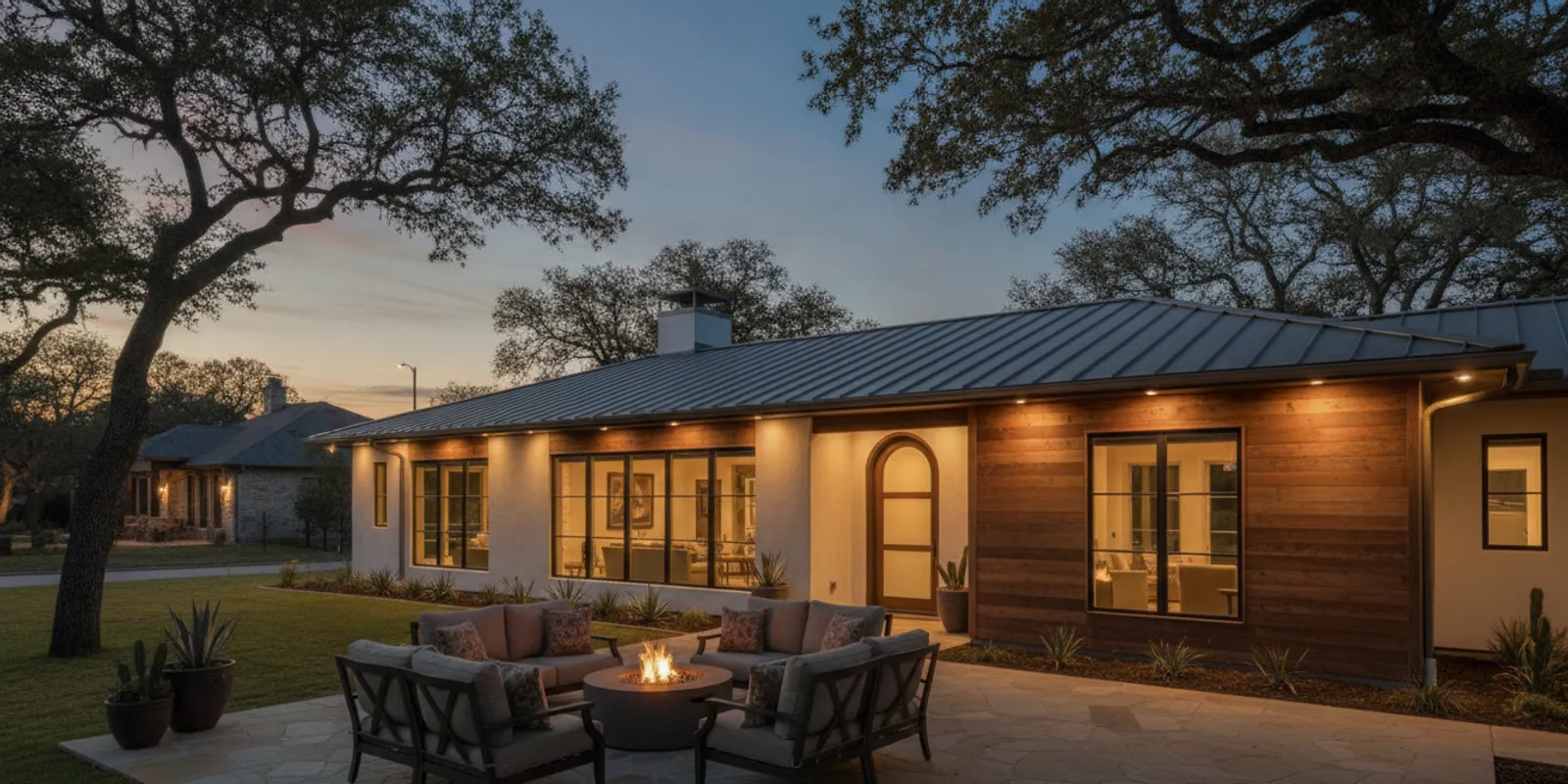
Can lights are a familiar way to add focused illumination indoors or beneath a covered exterior area. But if your goal is visible, year-round lighting along a home or commercial property, can lights may not answer the whole planning question. You may be comparing recessed fixtures, permanent soffit lighting, and a system that can continue serving the property when utility power is interrupted. The right choice depends on where you need light, what you want it to do, and how the installation will be accessed and maintained.
Request a site-specific lighting quote
What are can lights, and where do they fit?
Can lights are recessed fixtures installed into a ceiling, soffit, overhang, or another surface that can accept the fixture housing. The light source sits within the opening, which can create a clean appearance when the fixture, trim, and placement suit the architecture. Indoors, can lights are often considered for kitchens, hallways, living areas, and other spaces that need general or focused illumination. Outdoors, a homeowner may consider them beneath a porch roof, covered patio, entry overhang, or soffit.
The important distinction is that can lights illuminate the surface or area beneath their installation point. They are not automatically a substitute for lighting that traces a roofline or adds a visible exterior accent across the face of a property. A covered patio can benefit from recessed light overhead while the front elevation may need a different approach for holiday color, everyday accent lighting, or curb appeal.
Before choosing a fixture, define the job:
- Task lighting: Do you need light for cooking, walking, loading, or using a patio?
- Accent lighting: Do you want to emphasize an entry, architectural line, planting area, or outdoor room?
- Visibility: Do you want the property edge, approach, or selected exterior areas to be easier to see?
- Seasonal display: Do you want holiday colors or patterns without hanging and removing temporary strings each year?
- Continuity: Do you need a lighting plan that considers what happens during a utility outage?
These purposes can overlap, but one fixture type may not address all of them. A clear scope helps you avoid comparing a small recessed-light installation with a whole-roofline lighting plan as if they were the same project.
How are can lights different from permanent soffit lighting?
Can lights and permanent soffit lighting can both appear near a roof or covered exterior area, but they serve different planning roles. Can lights are generally individual recessed fixtures aimed downward or toward a selected area. Permanent soffit and roofline lighting follows the building’s roofline and is intended to support a broader exterior-lighting plan.
| Planning point | Can lights | Permanent soffit or roofline lighting |
|---|---|---|
| Typical placement | Recessed into a ceiling, soffit, or covered overhang | Installed along selected roofline or soffit sections |
| Main purpose | Focused or general light beneath the fixture | Exterior accent, holiday color, visibility, and year-round roofline use |
| Visual effect | Downward illumination from individual openings | Lighting that follows the architecture of the roofline |
| Seasonal use | Usually requires a separate display approach for roofline color | One installed roofline can support holiday and everyday lighting plans |
| Quote considerations | Fixture count, ceiling or soffit access, trim, and placement | Property address, elevations, roofline scope, access, and desired lighting areas |
This comparison is not a statement that one option is always better. A property can use more than one lighting type. For example, can lights may serve a covered seating area while permanent roofline lighting provides an exterior accent around selected elevations. The useful question is not simply “Which light is brightest?” It is “Which lighting location and control plan fit each job?”
For a broader explanation of planning exterior illumination, review LIT365’s outdoor lighting design guide. It can help you separate areas that need practical visibility from areas where the goal is atmosphere or architectural emphasis.
What does battery backup mean in an outdoor lighting plan?
Battery backup means that some part of the lighting system has an alternate source of stored electrical power available when the normal utility supply is unavailable. That phrase can describe different project arrangements, so it should not be treated as a complete product specification. A backup may be intended for limited emergency visibility, selected fixtures, a control component, or another defined purpose. The duration, load, switching method, installation location, and maintenance requirements must be confirmed for the actual system.
A battery-backup request is therefore a planning requirement to discuss with an installer, not a reason to assume that every permanent outdoor-lighting system includes backup power. LIT365’s verified offering is professionally installed permanent soffit and roofline lighting. The public site does not establish a battery-backup specification, runtime, wattage, controller feature, or performance guarantee. If battery backup matters to your project, put it in the quote request and ask what can be included, what it is intended to power, and what limitations apply.
That distinction protects you from an unclear comparison. One proposal may describe decorative roofline lighting only. Another may include an emergency-lighting component. Unless both proposals define the same backup scope, their totals and capabilities cannot be compared fairly.
When might a property owner consider battery backup?
Battery backup may be worth discussing when lighting has a practical role beyond decoration. A homeowner may want selected exterior areas to remain visible during an outage. A business or commercial-property owner may want to discuss continuity around an entrance or another important exterior zone. An HOA or shared property may need a clear plan for common-area lighting. These are planning conversations, not promises that a particular backup arrangement is suitable.
Start by identifying the outcome rather than naming a technology:
- Describe the area. Note the entry, walkway, covered patio, driveway edge, roofline, or other area that matters.
- Describe the event. Explain whether the concern is a short interruption, severe weather, routine safety visibility, or a temporary loss of utility power.
- Set the priority. Decide whether every light must remain on or only selected areas need continued visibility.
- Ask about duration. A backup plan needs a stated expectation for how long the selected lighting should operate, if that is technically and commercially available.
- Ask about maintenance. Batteries and related equipment may have inspection, replacement, location, or access considerations.
- Confirm the limitations. Ask what the backup does not power and how the system behaves when utility service returns.
For decorative lighting, the priority may be different. You might care more about color, pattern, schedule, and a clean installation than about keeping every accent illuminated during an outage. LIT365’s permanent lighting is positioned for holiday color, game day, security visibility, and patio ambiance. Explain which of those uses matters most so the proposed scope reflects the property rather than a generic package.
How should you separate everyday lighting from outage lighting?
A useful planning exercise is to write two short descriptions of the desired result. The first describes normal operation. The second describes what should happen when utility power is unavailable. This prevents an ordinary decorative-lighting request from being confused with a continuity requirement.
For normal operation, list the elevations and activities that matter. You might want a welcoming front entry, a softly lit patio, a visible driveway edge, or a roofline that can change for holidays and celebrations. You may also want scheduled everyday accent lighting rather than lights running at all times. LIT365 describes one installed roofline as supporting multiple uses, including holiday color, game day, security visibility, and patio ambiance. The quote still needs to identify which areas and uses apply to your property.
For outage operation, narrow the request. Which location matters first? Is the goal to mark an entry, keep a path visible, support a business entrance, or maintain a selected exterior zone? Should decorative colors turn off while practical visibility remains? Should the system change automatically, or is a manual step acceptable? These questions turn “battery backup” into a scope that can be discussed and documented.
This two-scenario approach is also useful for HOAs and commercial properties. A shared property may have different priorities from an individual home. One area may be decorative, while another supports wayfinding or access. The responsible decision-maker should identify those zones before asking an installer to recommend an arrangement.
What should you decide before requesting a quote?
A site-specific quote starts with the property address and the elevations you want lit. It is useful to prepare more than a general request for “can lights” or “permanent lights.” The clearer your scope, the easier it is to discuss placement, access, and any backup-power question without making assumptions.
Choose the areas and elevations
Walk around the property during the day and identify the front, sides, rear, entry, patio, garage, and other elevations that matter. You may want the entire roofline, only the front elevation, or selected architectural sections. Note whether a covered area needs downward light from can lights while the roofline needs a separate accent treatment.
Separate everyday and event uses
List how you expect to use the lighting throughout the year. Holiday color, game-day themes, everyday accent lighting, patio ambiance, and security visibility may call for different zones or schedules. LIT365 describes one installed roofline as supporting multiple uses, but the appropriate scope still depends on the property and the areas you select.
Consider access and the building
Roof height, roofline shape, soffit construction, covered areas, landscaping, gates, and other site conditions can affect how an installer evaluates the work. Do not assume that two homes with similar square footage have the same lighting scope. The number of elevations and the access required to reach them may be more relevant than the home’s interior size.
Record your backup question
If battery backup is important, write down exactly what you want it to accomplish. For example, you might ask whether selected entry lighting can remain available during an outage. Avoid asking only, “Does it have battery backup?” Ask what portion of the proposed system is backed up, how the changeover works, what operating period is expected, and what ongoing attention the equipment needs.
You can also use LIT365’s permanent outdoor lighting service-area page as a starting point for the next conversation. Address qualification comes before project assumptions, so the property location and scope should be part of the request.
Which factors can change a site-specific estimate?
LIT365 does not publish a citywide price, dollar range, or per-foot rate for permanent soffit lighting. That is appropriate for a project where the property and desired scope affect the work. A useful quote should make the assumptions visible rather than presenting an unexplained number.
Ask how each of these factors is treated:
- Property address: The address allows the installer to qualify the project and understand the location before making assumptions.
- Elevations: A front-only plan differs from lighting the front, sides, rear, garage, or selected architectural sections.
- Roofline and soffit layout: Corners, breaks, transitions, and unusual shapes can affect placement and installation planning.
- Access: Height, landscaping, gates, covered areas, and other site conditions may change the work required.
- Lighting purpose: A plan for holiday color and patio ambiance may be scoped differently from one focused on selected visibility areas.
- Backup requirement: If an alternate power source is requested, the equipment, supported load, location, and maintenance expectations need separate definition.
- Additional work: If you also need gutters, identify that separately. Gutter requests route through TX Gutter Solutions, the sister brand, using the same quote form.
A proposal should state what is included, which areas are excluded, and what the customer is expected to provide or decide. If backup power is not included, the proposal should not leave the impression that it is. If can lights are part of a separate covered-patio project, keep that scope distinct from the roofline lighting scope.
How can the same house produce different lighting scopes?
Consider a simple example. Two Austin homes may have similar interior size, but the owners may request very different projects. The first owner wants only a front roofline for holiday color and everyday curb appeal. The second owner wants the front and side elevations, a covered patio area, selected security visibility, and a discussion of backup power for the entry. The second request involves more areas and more decisions even before an installer considers access.
A second example involves a commercial property. The owner may want a visible year-round exterior treatment around the main entrance, while a property manager may prioritize a selected access area during an outage. Those requests should not be combined into an undefined promise that the whole building will remain lit. The proposal should identify the intended zone, normal use, outage use, and any exclusions.
A third example is a home with a covered porch. Can lights may be considered for the porch ceiling because the need is downward illumination where people sit or walk. Permanent roofline lighting may be considered separately for the front elevation because the need is architectural emphasis and seasonal color. Treating these as two coordinated zones can produce a clearer plan than asking for one fixture type to do both jobs.
These examples show why a site-specific estimate cannot be reduced to a universal price per foot. The customer is choosing a map, a purpose, access conditions, and possibly an alternate-power requirement. A good request makes each choice visible.
How should you compare two lighting proposals?
Comparing only the total can lead to the wrong conclusion. First, make sure both companies are quoting the same property areas and the same intended outcome. Then compare the details in a consistent order.
- Compare the map of the work. Are the same elevations, roofline sections, soffits, patio areas, and entries included?
- Compare the lighting purpose. Does each proposal address holiday displays, everyday accent lighting, visibility, or patio use as requested?
- Compare the installation approach. Does the proposal explain placement and how the result will fit the property’s architecture?
- Compare access assumptions. Are height, landscaping, gates, covered areas, or other conditions addressed?
- Compare the backup scope. If backup power is requested, does each proposal identify the supported lights, expected operation, changeover, equipment location, and maintenance?
- Compare exclusions. Look for areas, electrical work, controls, repairs, or other items that one proposal includes and the other leaves out.
- Compare the explanation. A clear answer to your questions is part of the buying decision, especially when the project is site-specific.
Ask each provider to explain ambiguous phrases. “Full exterior” might mean a front elevation to one company and every reachable roofline section to another. “Backup ready” might mean that a component can be discussed later rather than that stored power is included. “Permanent” describes an installed approach, but it does not by itself define the supported load, controls, or outage behavior.
Do not treat an unverified product specification as a reason to choose one proposal. LIT365’s public materials describe outcomes and installation scope rather than publishing brand names, lumen ratings, controller features, wattage, or warranty terms. Ask the installer to explain the actual proposal and keep the comparison tied to documented project details.
For examples of how exterior lighting can be presented visually, visit the LIT365 installation gallery. A gallery can help you discuss the look you prefer, but it does not replace a property-specific assessment.
What should a written proposal make clear?
Before approving work, look for a written description that lets you connect the promised result to the property. The document should identify the address, the elevations or sections included, and the type of lighting being discussed. If can lights and roofline lighting are both part of the conversation, each should have a recognizable place in the scope.
The proposal should also distinguish normal operation from any outage plan. Look for a description of which fixtures or zones receive alternate power, what event triggers the change, what operating expectation is being discussed, and what equipment or maintenance is associated with that arrangement. If the provider cannot confirm a requested battery-backup detail yet, the proposal should say that the item remains to be evaluated rather than implying that it is included.
Exclusions matter just as much. Ask whether a covered patio, rear elevation, detached structure, landscaping obstacle, electrical change, or access condition is outside the stated work. A shorter proposal may look less expensive simply because it covers less of the property. Comparing line by line is more useful than comparing a headline number.
Finally, make sure the proposal reflects how you will use the lighting. A system intended for holidays, game days, everyday accent lighting, security visibility, and patio ambiance may need a different discussion from a system intended only to illuminate one entrance. The installation should be evaluated against the purpose you described.
Can can lights and permanent roofline lighting work together?
Yes, they can serve different zones when the property needs both practical and architectural illumination. Recessed can lights may be appropriate beneath a covered patio or porch where downward light is useful. Permanent roofline lighting may be considered for selected exterior elevations where the goal is a consistent accent, holiday color, or year-round visibility.
The two systems should still be planned together. Consider whether their light levels and color appearance feel compatible, whether their controls or schedules need to be coordinated, and whether each installation has suitable access. If battery backup is part of the request, define which system or zone is included. A backup plan that supports a patio fixture may not support the roofline, and a roofline backup plan may not address indoor or covered-area fixtures.
Planning together also helps avoid unnecessary openings or overlapping work. Before installation, ask for a clear description of where each type of light will be placed and what visual result the installer expects. The objective is a coherent property-lighting plan, not simply the largest possible fixture count.
What should homeowners, HOAs, and businesses ask first?
The first questions should match the decision-maker’s responsibility. A homeowner may begin with appearance, patio use, seasonal convenience, and visibility around the entry. An HOA may need to define which common areas are included, who approves the appearance, and whether the plan applies consistently across shared property. A business or commercial-property owner may focus on the main entrance, visible exterior zones, and what should happen during an interruption.
Each audience should identify the decision boundary before requesting a quote. Are you asking for a lighting design, an installation scope, an outage-continuity discussion, or all three? Are you ready to discuss every elevation, or do you want a front-only first phase? Will the property representative be available to explain access conditions? Clear answers reduce follow-up and make proposals easier to compare.
It is also helpful to name the people who must review the result. A homeowner may make the decision alone. A shared property may require an HOA board or property manager. A commercial site may involve an owner, facilities contact, or tenant representative. The quote request can state who will evaluate the scope so that practical concerns are not overlooked.
What questions should you ask an installer?
Bring practical questions to the first conversation. The answers can reveal whether the proposal matches your property and whether a battery-backup request has been understood.
- Which roofline or soffit elevations are included?
- Would can lights be appropriate for any covered patio, porch, entry, or soffit areas?
- How will the permanent lighting fit the roofline and the property’s architecture?
- Which uses are included in the plan: holidays, game days, everyday accent lighting, security visibility, or patio ambiance?
- What site-access conditions could affect the installation?
- Can the proposed system support a battery-backup requirement, and what exactly would that backup power?
- What operating period, changeover behavior, equipment location, and maintenance expectations should be understood?
- Which parts of the property are excluded from the proposal?
- How will a request for gutters be handled if the property needs both services?
- What information do you need from me before preparing the site-specific quote?
These questions do not require you to know the correct technical answer in advance. They help you identify the result you want and give the installer a chance to explain what is feasible for the address.
What should you expect from the LIT365 quote process?
LIT365’s quote path is address-first. The lighting and gutter quote form asks for your name, phone, email, service address, and whether you need Lighting, Gutters, or Both. Use the project description to identify the elevations you want lit, whether the request includes can lights in a covered area, and whether battery backup is a requirement to discuss.
The form is not a checkout page with a citywide lighting price. A site-specific conversation is needed because the address, elevations, access, and requested uses shape the scope. If you are in Austin, San Antonio, or Dallas, include the location and any relevant property details. LIT365 serves those three Texas markets, while exact qualification and project assumptions should be confirmed through the address-first process.
If your request is for gutters alone, select the appropriate service so it can be routed to TX Gutter Solutions. If you want both lighting and gutters, say so clearly. Keeping the service request accurate helps prevent a gutter-only question from being treated as a permanent-lighting quote.
Frequently asked questions
Are can lights the same as permanent outdoor lighting?
No. Can lights are recessed fixtures that typically illuminate the area beneath their installation point. Permanent outdoor lighting can refer to a professionally installed soffit or roofline system that follows selected exterior elevations and supports year-round uses such as holiday color, game-day themes, security visibility, and patio ambiance.
Does permanent roofline lighting automatically include battery backup?
No assumption should be made. Battery backup is a separate requirement that needs to be defined with the installer. Ask what would be backed up, how long it is expected to operate, how the system changes over during an outage, and what maintenance or limitations apply.
Can I use can lights under a patio and roofline lighting on the house?
Potentially. The two types can serve different areas, but the property should be evaluated as one plan. Placement, access, appearance, schedules, and any backup-power request should be discussed together so the systems do not overlap or create an inconsistent result.
How much does permanent soffit lighting cost in Austin?
LIT365 does not publish a citywide price, package price, or verified per-foot rate. A quote starts with the property address and the elevations you want lit. Access, roofline layout, lighting purpose, and any additional requirements can affect the site-specific estimate.
What should I include in my quote request?
Include the service address, the elevations or areas you want lit, the main uses you have in mind, any covered areas where can lights may be considered, and a clear description of any battery-backup goal. Also identify whether you are requesting Lighting, Gutters, or Both.
Start your lighting project conversation
The best lighting plan begins with the property, the areas that matter, and a clear explanation of how you want to use them throughout the year.