
2026-07-30
The Ultimate Guide to Outdoor Lighting Design
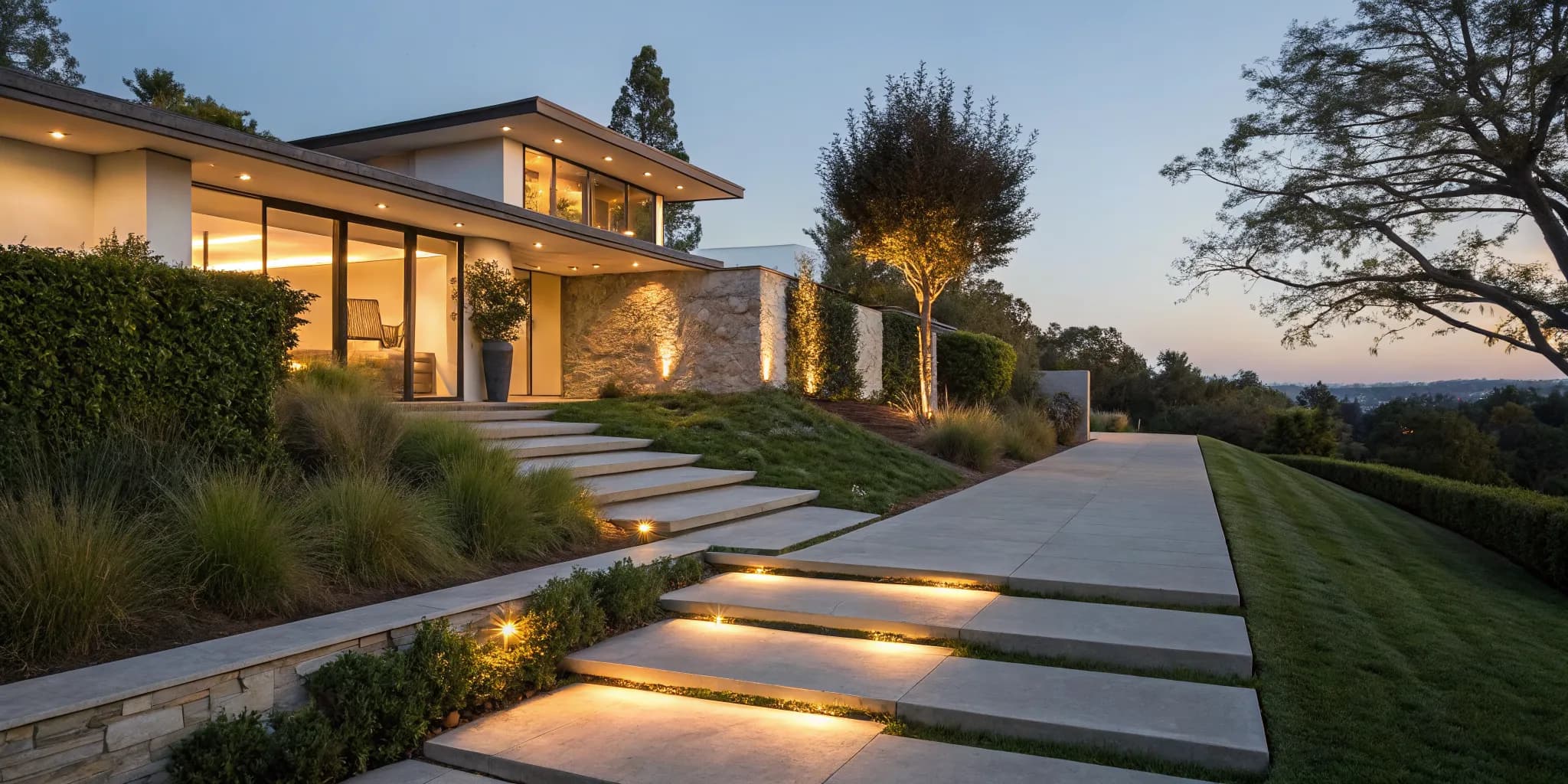
Your home’s exterior is a blank canvas, and outdoor lighting is your paintbrush. With a thoughtful plan, you can create a stunning nighttime scene that adds value and beauty to your property. A great first impression matters, whether it's a beautifully designed website you can build in minutes with tools like lit-365.com or the welcoming glow of your home. This guide will walk you through the entire process, from avoiding common mistakes like mixing color temperatures to embracing modern trends like smart home automation. You’ll learn how to maintain your system so it shines bright for years to come.
Key Takeaways
- Start with a strategy, not a shopping cart: Before buying anything, sketch your yard to map out where you need light for safety and what features you want to highlight. Layering different types of light (ambient, task, and accent) is the secret to a professional, balanced design.
- Focus on function and consistency: Match the fixture to its purpose, considering details like brightness (lumens) and weather resistance (IP ratings). For a polished look, stick with energy-saving LEDs and use the same warm color temperature across all your outdoor lights.
- Install safely and maintain regularly: Opt for safer low-voltage systems for DIY projects and always use waterproof connectors to prevent damage. A little upkeep, like cleaning lenses and checking wires seasonally, goes a long way in keeping your lighting safe and beautiful for years.
Common Types of Outdoor Lighting Fixtures
Choosing the right fixtures is one of the most exciting parts of creating a lighting plan. Each type of light serves a different purpose, from bathing your patio in a warm glow to making sure no one trips on the stairs. Getting familiar with the main categories will help you select the perfect combination of lights to make your outdoor space functional, safe, and beautiful. Let's walk through the most common types you'll find.
Wall Lights
Wall lights are the workhorses of outdoor lighting. Mounted directly to your home’s exterior, they are perfect for illuminating entryways, garages, and patios. They add a layer of security while also creating a welcoming ambiance for you and your guests. You’ll find them in countless styles, from modern and sleek to classic and traditional. Popular wall lantern lights are a great example of fixtures that enhance both the look and function of your home, providing the perfect amount of light right where you need it most. They can cast a general glow or provide focused light for tasks like finding your keys.
Path Lights
Path lights are essential for safety, guiding people along walkways, driveways, and garden paths after dark. These fixtures are typically placed on short stakes and installed along the edges of a path. They cast light downward and outward to illuminate the ground, preventing trips and falls. You can find them in a wide range of designs to match your home's aesthetic. Many homeowners prefer solar pathway lights because they are incredibly easy to install without any complicated wiring. You just stake them into the ground, let them charge in the sun, and enjoy a beautifully lit walkway by nightfall.
Floodlights
When you need to light up a large area, floodlights are your best bet. These powerful fixtures are designed for security and safety, casting a wide beam of light over driveways, backyards, or the side of your house. They are a strong deterrent for intruders and also make it easier to enjoy your yard after sunset. Floodlights can be mounted on walls or poles and often come with motion sensors that turn the light on automatically when movement is detected. With their ability to provide extensive coverage, a couple of well-placed floodlights can illuminate an entire space, giving you peace of mind.
Solar Lights
If you’re looking for an eco-friendly and low-maintenance option, solar lights are a fantastic choice. These fixtures operate independently from your home’s electrical system, using small solar panels to convert sunlight into energy that’s stored in a rechargeable battery. Because they don’t require any wiring, you can place them almost anywhere. This makes them perfect for areas far from a power source. You’ll often see them used as solar garden lights to highlight plants or as deck lights to create a soft glow. They are a simple, cost-effective way to add charm and light to your outdoor spaces.
Deck and Step Lights
Deck and step lights are small, discreet fixtures designed to improve safety on stairs and multi-level patios. By illuminating the treads of your steps and the perimeter of your deck, they help prevent accidents while adding a sophisticated, built-in look. These lights can be installed directly into the vertical part of a step (the riser) or underneath railings. Many popular solar-powered options are waterproof and designed to withstand the elements, making them a practical and durable choice. They cast a gentle, downward-facing light that’s effective without being overpowering, ensuring your outdoor gatherings can continue safely into the evening.
Key Principles of Outdoor Lighting Design
Great outdoor lighting is about more than just flipping a switch. It’s a design strategy that can completely transform your home’s curb appeal and make your outdoor spaces more enjoyable. Just like you can build a stunning website in minutes with the right tools, you can create a beautiful lighting scheme by following a few core ideas. To achieve a stunning and functional design, it’s important to integrate best practices from the very beginning of your planning process. By thinking like a designer, you can create a layered, inviting atmosphere that highlights your home’s best features and adds a touch of magic after the sun goes down. These foundational principles will help you get a professional look without the guesswork.
How to Layer Light: Ambient, Task, and Accent
Think of lighting your yard like putting together an outfit. You need a base layer, functional pieces, and a few accessories to complete the look. In lighting, this translates to three layers: ambient, task, and accent. Ambient light is your general, overall illumination, like soft light from wall sconces that helps you see the whole patio. Task lighting is focused on specific activities, such as a bright light over your grill or a step light for safety. Finally, accent lighting adds the drama. It’s the spotlight on a beautiful oak tree or the soft glow on a garden statue. Using all three layers together creates depth and visual interest, preventing your yard from looking flat or overly bright.
Highlight Your Home's Focal Points
Your home and yard have standout features, and lighting is the perfect way to show them off. Take a walk around your property and decide what you want to be the star of the show at night. This could be unique architectural details, a textured stone facade, a majestic tree, or your front door. Use accent lights, like spotlights, to draw the eye to these focal points. For example, uplighting a tree can create a spectacular effect, but it requires careful selection of the beam angle to avoid wasted light and ensure the entire feature is illuminated properly. Downlighting from a branch can mimic moonlight for a more natural feel. By being selective, you guide the viewer’s eye and create a curated, high-end look.
Plan Your Spacing and Placement
How you space your lights is just as important as the fixtures you choose. A common mistake is placing path lights in a perfectly straight line, which can make your walkway look like an airport runway. As lighting experts at Tru-Scapes note, this kind of placement can look "institutional — like a runway, not a garden." Instead, stagger your path lights on either side of the walkway to create a more natural, meandering feel. Think about the view from inside your home, too. Position lights to create beautiful vignettes you can enjoy from your living room window. Proper landscape lighting placement ensures your design feels organic and thoughtfully integrated with your yard.
Choose a Consistent Color Temperature
Have you ever seen outdoor lighting that just felt…off? The culprit is often mixed color temperatures. Color temperature refers to whether a light appears warm (yellowish) or cool (bluish), and it’s measured in Kelvin (K). As Martha Stewart’s experts put it, “The biggest mistake you can make in outdoor lighting is mixing LED color temperatures.” A warm white light (around 2700K to 3000K) creates a cozy, inviting glow that complements most homes. A cool white light (4000K and up) can feel stark and clinical. Whichever you prefer, stick with it across all your outdoor fixtures. A consistent color temperature creates a cohesive and polished look, making your entire design feel intentional and harmonious.
How to Choose the Right Outdoor Lighting
Once you have a vision for your design, it’s time to pick the perfect fixtures. Choosing the right lighting involves more than just finding a style you like. You’ll need to consider brightness, energy use, power source, and durability to create a look that is both beautiful and built to last. Thinking through these details now will save you from headaches later and ensure your outdoor space shines for years to come.
Determine the Right Brightness and Lumens
When we talk about a light’s brightness, we’re talking about lumens. Unlike watts, which measure energy use, lumens measure the actual amount of light a bulb produces. Getting the lumen level right is key to creating ambiance. Too bright, and your yard might feel like a stadium; too dim, and the lights won’t be functional.
As a general guide, path lights work well in the 100 to 200 lumen range, while accent lights for trees or architectural features can be between 50 and 300 lumens. For larger areas, flood lights typically need 700 to 1,300 lumens. The goal is to achieve a balanced look that feels welcoming and safe. You can always find more details on landscape lighting to help you plan.
Compare Energy-Efficient Bulbs: LED vs. Traditional
The debate between LED and traditional bulbs is pretty much settled, especially for outdoor use. LEDs are the clear winner. While they might cost a bit more upfront, they save you money in the long run. LEDs use significantly less energy (1 to 11 watts versus 20 to 60 for halogens) and last much longer. Some LED bulbs can last up to 40,000 hours, which could mean 20 years of use before you need a replacement.
Beyond the cost savings, LEDs are also more durable and run much cooler than traditional bulbs, making them a safer choice for placing near plants and other landscape features. Their longevity means less time spent on a ladder changing burnt-out bulbs, giving you more time to simply enjoy your beautifully lit space.
Match the Design Style to Your Home
Your outdoor lighting should feel like a natural extension of your home’s design. The fixtures you choose are an opportunity to carry your interior style to the outside. If your home has a modern aesthetic, look for sleek, minimalist fixtures with clean lines. For a rustic farmhouse or a classic colonial, you might prefer lanterns made from bronze or black metal.
Think of your outdoor lights as the jewelry for your home’s exterior. High-quality brands often design their collections to help you bring your indoor style outside. By creating a cohesive look, you’ll make your outdoor areas feel more connected to the rest of your living space, turning your yard or patio into a true outdoor room.
Select a Power Source: Hardwired, Plug-In, or Solar
Your outdoor lights need power, and you have a few options for getting it to them. Hardwired systems are connected directly to your home’s electrical system, offering a permanent and reliable solution that’s best installed by a professional. Plug-in lights are a great DIY-friendly option for patios and decks, offering more flexibility.
Solar-powered lighting is another excellent choice, especially in areas that get plenty of sun. These fixtures are the easiest to install since they don’t require any wiring. They use the sun’s energy to charge during the day and automatically turn on at night. Opting for solar-powered lighting can reduce your energy consumption and is a fantastic, eco-friendly way to illuminate your garden or walkways.
Check for Weather Resistance and IP Ratings
Outdoor lighting fixtures are built to withstand the elements, but not all are created equal. It’s crucial to choose lights specifically rated for outdoor use. These fixtures are sealed to protect their internal components from rain, snow, and humidity. Using the wrong type of wiring or connectors can allow moisture to seep in, which can short out the light and create a safety hazard.
To be sure a fixture is tough enough, check its IP (Ingress Protection) rating. This two-digit number tells you how well it’s protected against solids (like dust) and liquids (like water). A higher number means better protection. For most outdoor applications, you’ll want a fixture with a rating that shows it can handle water jets from any direction, ensuring it will last through any storm.
Top Outdoor Lighting Brands to Consider
With your lighting plan in hand, you can start shopping for fixtures. While the market is full of options, a few brands consistently stand out for their quality, design, and durability. Focusing your search on these reputable names can save you time and ensure you find lighting that looks great and lasts for years. Whether your style is classic or modern, and your needs are functional or decorative, these companies are excellent starting points for any outdoor project. Here are a few top contenders that designers and homeowners often recommend.
Kichler
Kichler has built a strong reputation for creating outdoor lighting that perfectly balances beautiful design with practical function. Their fixtures are crafted to complement your home's architecture and landscape, providing effective illumination without sacrificing style. Homeowners often choose Kichler to illuminate the dark along pathways, highlight interesting features like stone walls or trees, and create a warm, welcoming atmosphere for guests. Thanks to their high-quality materials and excellent finishes, these lights are a durable and sophisticated choice for making your outdoor spaces feel special.
Lights.com
If you love having a lot of choices, Lights.com is a fantastic place to start your search. Their diverse collection of outdoor lights covers just about every need, from hanging pendants and post lights to festive string lights and discreet solar options. The brand focuses on helping you beautify your patio, deck, or garden while also improving its functionality. With fixtures designed to handle various weather conditions and match different design preferences, you can easily find everything you need to create a cohesive and stylish look for your entire exterior.
Shades of Light
Shades of Light is another great resource, especially if you're looking for that one perfect, unique fixture. They offer an extensive selection of outdoor lighting with over 500 different choices, making it easy to find something that truly reflects your personal style. Their goal is to help you enhance both the look and usability of your outdoor areas. As a bonus, many of their lights are ready for immediate shipping, so you can get your project finished without a long wait. It’s an ideal brand for anyone wanting to browse a wide array of styles to find the perfect match.
Popular Outdoor Lighting Trends
Outdoor lighting is about so much more than just seeing in the dark. Current trends focus on creating an experience, blending functionality with personal style and smart technology. From automated schedules that simplify your life to fixtures that double as art, the right lighting can completely transform your outdoor space. Thinking about what's popular can give you some great ideas for your own home, helping you create an exterior that’s efficient, beautiful, and welcoming. Here are a few key trends shaping how we light our homes' exteriors.
Smart Lighting and Home Automation
Imagine your porch lights turning on automatically at sunset or your pathway lights brightening when you pull into the driveway. That’s the magic of smart lighting. This trend is all about convenience, security, and efficiency, letting you manage your outdoor lights from your phone or with voice commands. You can control your lighting by setting schedules, using motion sensors for security, or adjusting brightness with dimmers to create the perfect evening mood. Integrating your lights into a home automation system not only makes your life easier but also helps save energy by ensuring lights are only on when they need to be. It’s a simple way to make your home work better for you.
Eco-Friendly and Solar-Powered Solutions
Being kind to the planet and your wallet is always in style. Eco-friendly lighting, especially solar power, has become a go-to for many homeowners. Modern solar-powered lighting options are surprisingly powerful and reliable, soaking up sunlight during the day to provide beautiful illumination at night. The best part? There’s no complicated wiring or increase in your electricity bill. This trend also includes the widespread use of LED bulbs. LEDs consume a fraction of the energy of traditional bulbs and last for years, reducing both waste and replacement costs. Choosing sustainable options means you can create a stunning outdoor atmosphere without the environmental footprint.
Statement Fixtures and Modern Finishes
Your lighting fixtures are an opportunity to show off your personal style. Homeowners are moving away from purely functional lights and choosing statement fixtures that serve as design elements. Think of a bold, sculptural sconce by your front door or sleek, minimalist path lights that look like modern art. Finishes like matte black, warm brass, and brushed nickel are popular for adding a touch of sophistication. A key part of this trend is consistency. One of the biggest mistakes is mixing LED color temperatures, which can make your design feel chaotic. Sticking to one color temperature and using energy-efficient LED lighting creates a polished and cohesive look.
How to Install Outdoor Lighting Safely
Installing outdoor lighting can be a rewarding weekend project, but working with electricity requires care and attention to detail. Your safety is the top priority. Following the right steps not only protects you from injury but also ensures your lighting system is durable and functions correctly for years. Think of it as setting a solid foundation. By taking a few key precautions, you can confidently and safely bring your outdoor lighting vision to life.
Plan Your Layout Before Buying
Before you even think about adding fixtures to your online cart, grab a notepad and sketch out your property. One of the most common mistakes is failing to create a thoughtful lighting design from the start. A clear plan helps you map out where each light will go, which prevents you from buying too many or too few fixtures. More importantly, it allows you to visualize where wiring will run. You can identify potential obstacles, measure distances to determine the length of cable you’ll need, and ensure you have access to a power source without creating tripping hazards. This simple step saves you time, money, and a lot of headaches during the installation process.
Use Low-Voltage Systems When Possible
For most residential projects, a low-voltage system is your best friend. These systems are significantly safer for DIY installation because they use a transformer to reduce your home’s standard 120-volt electricity to a much gentler 12 volts. This lower voltage dramatically reduces the risk of electric shock. Beyond safety, systems that use low-voltage power are also more energy-efficient and often less expensive to operate. The wiring is also more forgiving, as it can typically be buried just a few inches below the surface instead of needing to be run through a deep conduit, making the whole process much simpler.
Secure Your Wiring and Connections
Your outdoor lighting will be exposed to rain, snow, and sprinklers, so protecting your electrical connections is non-negotiable. Moisture is the enemy of any electrical system. Using the wrong type of wire connectors can allow water to seep in, which can short out your lights or create a serious safety hazard. Always use waterproof wire nuts designed specifically for outdoor or underground use. When running wires, bury them at the depth recommended by the manufacturer to protect them from lawnmowers and foot traffic. Taking the time to secure every connection properly will ensure your system remains safe and reliable through every season.
Add Timers, Dimmers, and Motion Sensors
Smart controls are more than just a cool feature; they’re a practical addition for both safety and efficiency. You can implement timers to automatically turn on path lights before you get home from work, ensuring you always have a well-lit walkway. Dimmers allow you to adjust the mood for a quiet evening on the patio, while motion sensors are perfect for security. They can illuminate dark corners of your yard if they detect movement, deterring potential intruders and helping you see what’s going on outside. These automated controls also help you save energy by ensuring lights are only on when they’re actually needed.
Know When to Call a Professional
While many low-voltage lighting kits are designed for DIY installation, it’s important to know your limits. If your lighting plan is complex, involves tapping into your home’s main electrical lines, or requires extensive trenching, it’s time to call in an expert. You should also hire a pro if you’re simply not comfortable with the electrical work involved. A professional electrician or landscape lighting specialist has the tools and expertise to handle tricky installations safely and efficiently. They can also ensure everything is up to code, giving you peace of mind that the job was done right. There’s no shame in handing the project over to an expert; it’s the smartest and safest choice for complex jobs.
Common Outdoor Lighting Mistakes to Avoid
Creating a beautiful outdoor lighting scheme is as much about what you do not do as what you do. It’s easy to get excited and start buying fixtures, but a few common missteps can quickly turn your dream design into a chaotic and ineffective mess. By sidestepping these frequent errors, you can save yourself time, money, and a lot of frustration. Let’s walk through the biggest mistakes I see homeowners make, so you can get your lighting right the first time.
Your home's exterior is the first thing people see, and great lighting makes a huge difference. Just like a well-designed website from lit-365.com creates a strong first impression online, your outdoor lighting sets the tone for your physical space. With our AI-powered tools, you can launch a site in minutes, and with the right lighting plan, you can transform your home's curb appeal just as quickly.
Forgetting to Create a Lighting Plan
I get it, the temptation to head straight to the store and pick out cool-looking fixtures is strong. But please, trust me on this: one of the biggest mistakes you can make is buying lights without a plan. A well-thought-out lighting design is your roadmap to success. It helps you decide what features to highlight, where you need light for safety, and how all the elements will work together. Without a plan, you risk ending up with a random collection of lights that feels disjointed and fails to create the cohesive, inviting atmosphere you were hoping for. Take a little time to sketch out your yard and map out your lighting goals first.
Mixing Different Color Temperatures
Have you ever seen a house lit with a mix of yellowish-warm and bluish-cool lights? It can be pretty jarring. As architect Alina Enache notes, mixing LED color temperatures is a major design foul. Color temperature is measured in Kelvins (K), with lower numbers (around 2700K) producing a warm, cozy glow and higher numbers (4000K and up) creating a cool, crisp light. Sticking to a single color temperature throughout your outdoor space creates a harmonious and polished look. Mixing them can create a visually jarring effect that cheapens the overall appearance of your home’s exterior.
Using Too Much or Too Little Light
Finding the right balance with brightness is key. It’s a classic Goldilocks situation: you want it to be just right. Too much light, often called "over-lamping," creates harsh glare, washes out features, and contributes to light pollution that can annoy your neighbors. On the other hand, too little light defeats the purpose, leaving important areas dark and potentially unsafe. Instead of blasting your entire yard with floodlights, focus on layering ambient, task, and accent lighting. Using modern LED fixtures will also give you better control and energy efficiency compared to older, traditional bulbs.
Choosing Indoor Fixtures for Outdoor Use
This is a mistake that can cost you more than just your design aesthetic; it’s a genuine safety hazard. Indoor light fixtures are not built to handle the elements. Rain, humidity, snow, and temperature swings will quickly lead to rust, corrosion, and even dangerous moisture damage and electrical failures. When shopping for outdoor lights, always check the IP (Ingress Protection) rating. You’ll want to look for fixtures that are labeled as "wet-rated" for exposed areas or "damp-rated" for covered spots like a porch. Using the right hardware ensures your lights will last for years and operate safely.
How to Maintain Your Outdoor Lighting
Once your outdoor lighting is installed, a little upkeep will keep it shining bright for years. Think of it as a simple routine to protect your investment and ensure your home always looks its best. Regular maintenance helps your fixtures perform correctly, prevents safety hazards, and maintains the beautiful ambiance you worked so hard to create. By dedicating a small amount of time a few times a year to cleaning, inspecting, and making small fixes, you can avoid costly repairs and keep your outdoor spaces safe and stunning. These straightforward steps don’t require any special skills, just a bit of attention to detail.
Clean Fixtures and Lenses Regularly
Over time, your light fixtures will collect dirt, dust, and water spots, which can significantly dim their glow. Regular cleaning is a simple task that makes a huge impact on your light output. For most fixtures, all you need is a soft cloth and a bucket of mild, soapy water to wipe down the lenses and housing. Doing this once or twice a year, especially in the spring after winter weather has passed, will restore their brightness and keep them looking new. It’s a quick job that ensures your lighting design continues to shine as intended.
Inspect Wiring and Connections for Damage
A crucial part of maintenance is checking your system’s wiring and connections. During your seasonal cleaning, take a moment to look for any signs of trouble. Check for exposed or frayed wires, which can be caused by weather or curious critters. You’ll also want to look for corrosion on connections or any signs of moisture inside the fixtures. Catching these issues early can prevent more significant problems down the line, from flickering lights to complete system failure. If you spot anything that looks concerning, it’s always best to address it right away to ensure your system remains safe and functional.
Replace Burnt-Out Bulbs Promptly
A burnt-out bulb can create an unwelcome dark spot in your landscape and disrupt the overall balance of your lighting design. It can also create a potential safety hazard on paths or stairs. Make it a habit to walk your property at night every month or so to spot any outages. It’s a good idea to keep a few spare bulbs on hand so you can make a quick swap. Replacing bulbs as soon as they go out is vital for maintaining both the look and the functionality of your outdoor lighting scheme, ensuring your home and yard are always consistently and safely illuminated.
Perform Seasonal Checks and Weatherproofing
Your outdoor lights face everything from scorching sun to freezing rain, so seasonal check-ups are key to their longevity. Before the rainy season hits, check that all fixture seals and gaskets are intact to keep moisture out. In the fall, clear away fallen leaves and debris that can cover ground lights and pose a fire risk. Before winter, ensure all fixtures are securely mounted to withstand strong winds or heavy snow. These seasonal checks and weatherproofing measures help your lighting fixtures withstand the elements and extend their lifespan, saving you time and money in the long run.
Frequently Asked Questions
What's the most important first step if I'm a complete beginner? Before you buy a single light, grab a notepad and walk around your property at dusk. Think about what you want to achieve. Do you need to light a dark pathway for safety, or do you want to create a cozy spot on the patio for entertaining? Sketching out your yard and identifying your main goals will give you a clear plan, which is the best way to ensure you end up with a design that is both beautiful and functional.
Is it really safe for me to install outdoor lighting myself? For many projects, absolutely. Most DIY-friendly outdoor lighting systems are low-voltage, meaning they use a transformer to reduce your home's power to a much safer 12 volts. This significantly lowers the risk of electric shock. However, if your plan involves connecting directly to your home's main electrical wiring, that is a job best left to a licensed electrician. Always know your limits and prioritize safety.
Should I choose warm or cool light for my house? This often comes down to personal preference, but most residential designs benefit from a warm, yellowish light (around 2700K to 3000K). This color temperature creates a welcoming and cozy atmosphere that complements most home styles. Cooler, bluish light (4000K and higher) can sometimes feel stark or clinical. The most important rule is to choose one color temperature and use it for all your outdoor fixtures to create a cohesive, polished look.
My path lights look like an airport runway. What did I do wrong? This is a very common issue that happens when lights are placed in a perfectly straight line with even spacing. To fix this and create a more natural feel, try staggering the fixtures. Place them on alternating sides of the walkway instead of in a rigid line. This simple adjustment breaks up the pattern and guides the eye gently along the path, creating a much softer and more professional-looking design.
How often do I really need to maintain my outdoor lights? A little maintenance goes a long way. Plan on giving your fixtures a good cleaning once or twice a year, especially in the spring, to wipe away dirt and grime that can dim the light. While you're cleaning, do a quick inspection of the wires and connections to make sure everything is secure. It's also a good habit to walk your property at night about once a month to spot and replace any burnt-out bulbs.