
2026-10-05
Types of Christmas Lights: How to Choose the Right Ones
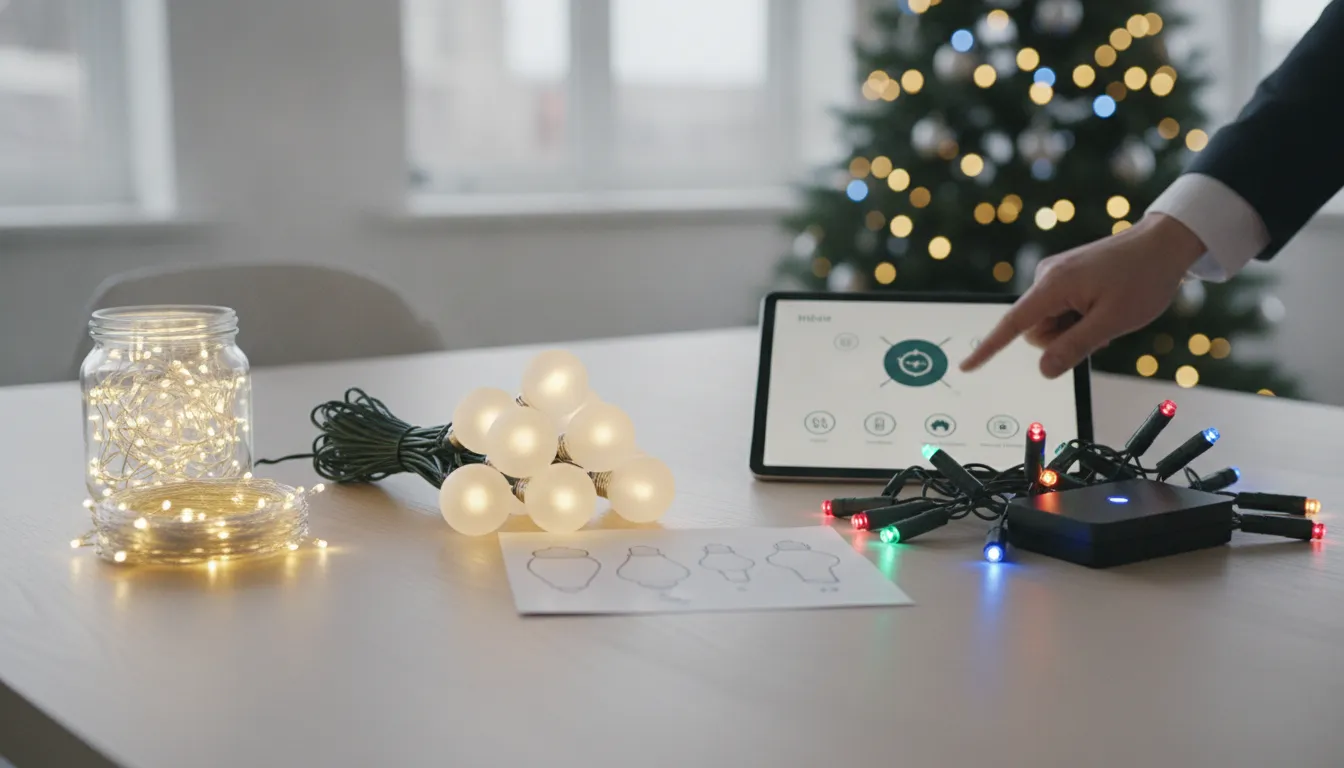
Holiday lights should make your home feel festive, not leave you wrestling with tangled strands and uncertain measurements. A little planning can help you choose lights that fit your home, your decorating style, and the time you have to install them. This guide to the types of christmas lights covers the differences between LEDs and incandescent bulbs, explains which styles suit rooflines, greenery, and pathways, and offers tips for choosing colors and controls. You’ll also find safety advice to help you prepare your display. If putting lights up and taking them down each year has become a chore, you’ll learn how a professionally installed permanent system can serve holidays and everyday occasions alike.
Key Takeaways
- Choose lights for the space: Use mini lights for greenery, C7 or C9 bulbs for rooflines, net lights for shrubs, and icicle lights for eaves. Measure first and confirm the lights are rated for their location.
- Compare light types and features: LEDs typically use less energy and produce less heat than incandescent bulbs. Check color, brightness, strand limits, and controls to find the right fit.
- Plan for safety and convenience: Inspect strands, use outdoor-rated equipment, and follow installation guidance. For less seasonal setup and takedown, consider professionally installed permanent lights with customizable colors and schedules.
What Types of Christmas Lights Can You Choose?
Christmas lights come in several bulb shapes, strand styles, colors, and control options. The best fit depends on where you’re decorating and the effect you want. Tiny bulbs can add an even glow to greenery, while larger bulbs create a clear outline along a roofline. Net lights can simplify decorating shrubs, and icicle lights bring a familiar seasonal look to eaves.
Before choosing, measure the areas you want to cover and think about how you’ll use the lights. A strand that works beautifully on a small tree may not provide the coverage or visibility you want across a long roofline. Also consider whether you prefer a single color, a multicolor display, or lights you can adjust for different occasions.
If you’d rather not install and remove seasonal lights every year, permanent outdoor lighting is another option. Lit 365’s low-profile LED system is professionally installed and can be customized for holidays, special occasions, and everyday accent lighting. As you compare options, consider not only how the display will look, but also how much time you want to spend setting it up, taking it down, and storing it.
LED and Incandescent Lights
LED and incandescent lights create different kinds of light and have different energy needs. Incandescent bulbs use a heated filament, while LEDs produce light with semiconductors. LEDs typically use less energy, stay cooler to the touch, and last longer, which can make them a practical choice for displays you use every season. Christmas Central’s guide to holiday lighting explains the main differences between common light types.
Some people like the familiar glow of incandescent bulbs. LEDs also come in warm-white options, so choosing energy-efficient lights doesn’t mean settling for a cold-looking display. Check product descriptions for color temperature, and try to match the lights you use across different areas for a consistent appearance.
Mini Lights: 5mm, M5, and T5
Mini lights are a versatile choice for decorating trees, wreaths, shrubs, railings, and columns. Their small bulbs create an even glow without drawing attention to each individual light. Common options include 5mm bulbs, faceted M5 bulbs, and T5 bulbs, which have a classic mini-light shape.
Mini lights come in both LED and incandescent versions. As you shop, check the strand length and bulb spacing against the area you plan to decorate. A longer strand or closer bulb spacing may help cover a tree or hedge more evenly. For railings and columns, plan how you’ll attach the lights before you begin. This makes it easier to create a tidy display and helps keep the strands in place.
C7, C9, G12, and Other Bulbs
C7 and C9 bulbs are popular choices when you want each bulb to stand out. C9 bulbs are larger and work well along rooflines, peaks, and other areas visible from the street. C7 bulbs are smaller, making them a flexible option for indoor or outdoor displays. Christmas Lights, Etc.’s guide to Christmas light styles can help you compare common bulb shapes and sizes.
For a softer decorative detail, consider G12 bulbs. Their round, berry-like shape works well on trees and greenery. You can combine bulb styles, but a simple approach often looks more polished: choose one main style for prominent areas, then use a different shape sparingly for contrast. Before buying, check the bulb size and whether the product is rated for the location where you plan to use it.
String, Net, Icicle, and Rope Lights
String lights are flexible strands you can wrap around trees, wreaths, and railings. Net lights form a grid, so they can make it easier to cover bushes and hedges with an even pattern. Compare common Christmas light formats to find a style that suits the shape of the area you’re decorating.
Icicle lights hang in vertical drops from a horizontal strand, creating a snow-inspired effect along eaves and roof edges. Rope lights place bulbs inside flexible tubing, making them useful for outlining walkways, decks, and garden features. Measure the space before you buy, and check the strand length and connection instructions. A little planning can help you avoid gaps and excess cord, and make installation neater.
Colors, Smart Controls, and Specialty Lights
Warm-white lights give a display a softer, traditional feel, while cool-white lights create a crisp look. Colored lights add personality to trees, rooflines, and other focal points. Modern LEDs are available in a wide range of colors and white tones, so you can choose a look that suits your home. Decorator’s Warehouse’s overview of outdoor Christmas lights offers examples of bulb styles and color choices.
Smart lighting systems add control options through a mobile app. Depending on the product, you may be able to change colors, select patterns, or set a schedule. Balsam Hill’s holiday lighting ideas explores app-controlled displays. If you’re considering permanent outdoor lights, look for a system that supports both festive holiday colors and more subtle settings for everyday use.
How Do LED and Incandescent Lights Compare?
Both LED and incandescent Christmas lights can create a welcoming holiday display, but they differ in energy use, durability, heat, and color. Here’s what to consider when choosing lights for your home or business.
Energy Use and Cost
Incandescent bulbs create light by heating a filament, which uses more electricity and produces more heat. LEDs convert a greater share of their energy into visible light, so they typically use less power. Dekra-Lite reports that LED Christmas lights use about 75% less energy than incandescent lights.
The difference can add up if you decorate a large property or leave your lights on for several hours each night. Your actual costs depend on the size of your display, how long it runs, and your electricity rates. Check the wattage on the packaging and consider using a timer to manage how long your lights stay on.
Lifespan, Durability, and Heat
LEDs use a solid-state design with fewer delicate parts than incandescent bulbs, which rely on a filament. That makes LEDs less prone to damage from routine handling, though wires, connectors, and bulbs can still wear out. Quality, installation, and storage all affect how long a set of lights lasts.
LEDs also produce much less heat than incandescent lights. This can be useful when decorating wreaths, greenery, or other areas with nearby materials, but it doesn’t replace careful use. Follow the manufacturer’s instructions, choose lights rated for their location, and replace damaged strands. Dekra-Lite explains how LED construction contributes to lower heat output and durability.
Brightness, Color, and Light Quality
Incandescent lights are often associated with a warm, familiar glow. Earlier LED options sometimes looked cooler by comparison, but modern LEDs are available in warm white, cool white, and many colors. Decorator’s Warehouse outlines the range of color options available for outdoor Christmas lighting.
Before you buy, check the color temperature and look at product photos or samples. Warm white can complement a traditional display, while cool white creates a crisper look. If you’re combining strands or adding roofline lighting, choose bulbs with similar color tones and brightness for a more coordinated result.
LED Light Misconceptions
One common misconception is that LEDs must look dim because they use less electricity. Energy use and perceived brightness are different things. LEDs direct more of their energy into visible light instead of heat, helping them create a clear display while using less power.
It’s also a myth that all LEDs have a cold, bluish appearance. Modern options include warm white and color-changing lights, so the final look depends on the product you choose. Check the color description and, when possible, view the lights in person. Permanent outdoor LEDs can also make it easy to change from subtle everyday lighting to festive colors for holidays and special occasions.
Where Do Different Christmas Lights Work Best?
The right Christmas lights depend on what you’re decorating, the look you want, and how people will see the display. Small bulbs work well up close on greenery, while larger bulbs make rooflines and building edges easy to spot from the street. Net lights cover shrubs quickly, and rope lights can define paths and deck edges with a steady line of light.
Before you buy, measure the areas you plan to decorate and consider where the nearest outdoor power source is. Check that each strand is rated for its intended location, and choose attachment clips made for the surface. You can create a more polished display by combining a few light styles, such as outlining the roof, wrapping the porch columns, and adding lights to nearby shrubs.
Think about how the display will look from more than one viewpoint, too. A roofline may be most visible from the street, while a porch or garden path may be enjoyed mainly from the house. Matching bulb size, color, and brightness across these areas helps the display feel intentional. If you want holiday lighting without putting up and taking down strands every season, Lit 365’s professionally installed permanent lighting can be customized for holidays and everyday use.
Trees, Wreaths, and Indoor Décor
Mini lights are a practical choice for Christmas trees, wreaths, garlands, and other greenery. Their small bulbs are easy to weave around branches and tuck between decorations, creating an even glow without overpowering the details. For outdoor trees, shrubs, railings, or columns, choose strands specifically labeled for outdoor use. The Gonord holiday lighting guide also recommends mini lights for wrapping these features.
On a Christmas tree, begin near the trunk and work outward so the light reaches deeper branches as well as the tips. Check the strand length before you start, and avoid pulling wires tight around branches. Indoors, keep lights away from fabric and paper decorations, and follow the product’s instructions for use. For wreaths and garlands, weave the strand through the greenery rather than laying it only across the front.
Rooflines, Eaves, and Gutters
C7 and C9 bulbs create a defined outline along rooflines, peaks, and other long building edges. Their larger shape makes them easy to see from the street, especially on broad façades or tall homes. Measure each section before choosing strands, and plan where the lights will start and end so the spacing looks consistent.
Icicle lights suit gutters, eaves, and overhangs. Their hanging drops create a snow-like effect, as explained in this guide to outdoor Christmas light styles. Use clips designed for the surface you’re decorating, and avoid fastening strands with nails or staples that could damage the wire or trim. If reaching the roofline feels difficult, consider having a professional handle the installation.
Bushes, Garden Beds, and Pathways
Net lights are designed to cover shrubs and bushes, making them a convenient option for broad areas. Drape the net evenly over the plant, then adjust it so the lights show across the full shape rather than bunching in one spot. For a more coordinated front yard, repeat the same color on a few shrubs or pair the lights with a brighter roofline display. This overview of outdoor Christmas light types describes how net lights can cover bushes quickly.
Rope lights can outline walkways, decks, and docks with a continuous glow. They can also make path edges easier to see after dark. Choose a product rated for outdoor use, secure it according to the manufacturer’s directions, and keep cords out of walking routes. Along garden beds, place lights where they highlight the edge without interfering with plants or routine yard care.
Porches and Business Exteriors
A porch can feel festive without covering every surface in lights. Use C7 or C9 bulbs to outline the roof or porch edge, then add mini lights to wreaths, garlands, or columns. Keeping the colors consistent across the entry and nearby landscaping helps the display look pulled together. For a layered look, Christmas Lights Etc recommends pairing C9 roofline lights with icicle lights on eaves and net lights on bushes.
For a business, roofline lighting helps the building stand out, while lit entrances, trees, and signs draw attention at eye level. Choose a display that fits the property’s architecture and remains easy to recognize from the street. If you’d like lighting that works beyond the holiday season, Lit 365’s permanent LED system can be set to different colors, patterns, and schedules for celebrations or everyday exterior accents.
How Do You Choose Indoor or Outdoor Christmas Lights?
Check Use and Weather Ratings
Check each light set’s label before you buy or hang it. Indoor lights are intended for dry spaces, while outdoor-rated lights are designed to handle exposure to moisture and changing temperatures. Use outdoor-rated sets on rooflines, porches, and garden trees, even if a display sits beneath an overhang. A covered area can still experience dampness and temperature swings.
Look for sturdy bulbs and wiring, and follow the manufacturer’s instructions for installation and storage. Some outdoor LED sets use protective lenses and are made to work across a range of temperatures, as Dekra-Lite’s guide to LED Christmas lights explains. Before hanging any set, check for cracked bulbs, frayed wires, or damaged plugs. Keep indoor and outdoor sets separate so you can confirm they’re being used in the right locations.
Match Bulbs and Strings to Your Display
Choose a light style that suits the surface and the effect you want. Mini lights work well on wreaths, tree trunks, and greenery. Net lights can cover bushes more evenly, while larger C7 or C9 bulbs create a bold outline along rooflines or stand out on large trees. Icicle lights suit eaves, and pathway lights are designed to mark walkways.
Measure each area before shopping, and check the length of the strings and the spacing between bulbs. That makes it easier to estimate how many sets you need and avoid bare patches. The Christmas Lights, Etc. guide to light types offers examples of where different styles work well. For a coordinated display, use similar bulb shapes and spacing in areas that sit close together.
Choose Colors, Brightness, and Controls
Decide on the look you want before choosing colors. Warm white creates a softer, traditional effect, while cool white has a crisper appearance. Multicolor lights bring a playful feel to trees, porches, and holiday displays. If you combine colors or bulb styles, repeat them in different areas to help the display feel considered rather than busy.
Check whether the set offers dimming, timers, or app controls. These features can make it easier to adjust brightness, colors, or patterns without reaching for each strand. Some smart LED lights also offer music synchronization, as Balsam Hill’s overview of holiday lighting trends describes. If you want to use lights for more than one occasion, choose controls that make it simple to change the display to suit the season or event.
Check Power Access and Connection Limits
Plan where each display will get power before you start hanging lights. Note the location of outdoor outlets, measure the distance to the display, and use extension cords rated for the setting. Follow the manufacturer’s guidance for protecting connections from moisture, and keep cords clear of doors, windows, and walking paths where they could be pinched or damaged.
Check the instructions to see how many strands you can safely connect end to end. Limits vary by product, so don’t assume one rule applies to every set. If the manufacturer lists a maximum wattage, add up the connected lights and stay within it. LEDs typically use less energy than incandescent lights, but each product’s directions still matter. Christmas Central’s lighting guide explains the difference in energy use. If your plan needs more power access than you have, simplify the layout or consult an electrician.
How Can You Use Christmas Lights Safely?
Safe holiday lighting starts before you plug in a string or climb a ladder. Check your lights and equipment, use products rated for the conditions, and follow the manufacturer’s instructions. If your display requires a risky climb or work near power lines, leave the installation to a professional.
Inspect Bulbs, Wires, and Plugs
Before using a light set, unplug it and inspect the bulbs, sockets, wires, and plug. Don’t use strings with cracked sockets, loose bulbs, frayed insulation, exposed wires, or damaged plugs. Replace broken bulbs only with the type recommended by the manufacturer, and discard sets that are badly worn or cannot be repaired safely.
Check that connectors fit securely and that the string’s wiring is in good condition from end to end. If you spot damage after installation, switch off the power before handling the lights. A quick inspection can help you catch problems before a string goes on a tree or roofline. Christmas Lights, Etc. shares guidance on checking holiday lights before use.
Use Outdoor-Rated Cords and GFCI Protection
Choose lights and extension cords marked for outdoor use whenever they’ll be exposed to rain, snow, or damp conditions. Check product labels rather than assuming a string is suitable for outdoor display. Keep plugs and connections away from standing water, and route cords where they won’t be pinched, damaged, or tripped over.
Plug outdoor displays into an outlet protected by a ground-fault circuit interrupter (GFCI). A GFCI can interrupt power when it detects an electrical fault, helping reduce the risk of shock. Follow the light manufacturer’s instructions for connecting strings, and stay within the listed connection limits. For more guidance, read this overview of outdoor-rated lights and GFCI protection.
Secure Lights With Clips
Use clips designed for your lights and the surface where you’re hanging them. The right clips can hold strings along roof edges, gutters, or other approved mounting points without damaging your home. Check that the clips fit the bulbs and wire, then install them according to the manufacturer’s instructions. Keep the string secure, but don’t stretch or pinch the wire.
Avoid nails, staples, and screws. They can pierce wire insulation, creating an electrical hazard, and may damage siding, trim, or roofing. If you’re unsure which clips to choose, check the light manufacturer’s recommendations or ask a lighting professional. Christmas Central’s lighting guide explains why purpose-made clips are a safer choice than fasteners that can damage wires.
Use Ladders Safely
Choose a ladder that reaches the work area without requiring you to stand on the top step or stretch. Set it on firm, level ground, open it fully, and make sure its locks are engaged before climbing. Ask another adult to steady the ladder, and keep your body centered between its side rails. If you need to reach farther, climb down and move the ladder.
Don’t place a ladder on snow, ice, or another slippery surface, and keep it clear of overhead power lines. Avoid working in high winds or other unsafe weather. If a roofline is difficult to reach safely, hiring a professional can spare you a risky climb. Nord’s holiday lighting guide also recommends stable ladder placement and having someone assist.
Store Lights Carefully
After taking down your display, unplug the lights and let them dry completely before packing them away. Check each string as you remove it, and separate damaged sets from those you plan to use again. Store lights in a cool, dry place, away from moisture and extreme heat.
To prevent tangles and reduce stress on the wires, wrap each string loosely around a reel or piece of cardboard. Don’t wind cords tightly around your hand. Use labeled storage bins to sort lights by type or location, which can make next season’s setup easier. Balsam Hill’s storage tips offer more ideas for keeping lights organized and protected between uses.
When Should You Choose Permanent Outdoor Christmas Lights?
Permanent outdoor lights may be a good fit if you enjoy festive displays but want to skip the annual work of hanging, removing, and storing seasonal strands. One professionally installed system can frame your home for the holidays and provide flexible lighting for celebrations and everyday evenings throughout the year.
Compare Seasonal and Permanent Lighting
Seasonal lights work well if you like creating a different display each year, decorate a small area, or want to keep your initial costs low. Permanent lighting may suit you better if you’d rather avoid repeated setup and takedown, climbing ladders, and finding storage space for strands and accessories.
A permanent system is installed along parts of your home, such as the roofline or eaves. You can use it for Christmas, then switch to a more understated look for ordinary evenings or choose festive colors for birthdays and other occasions. This versatility can make the system useful beyond the holiday season. Permanent outdoor lighting is designed to reduce seasonal installation and removal, but consider your budget, home, and decorating habits before choosing.
Choose Low-Profile LEDs for Holidays and Everyday Use
If you want lights that look polished year-round, consider a low-profile LED system. Discreet fixtures can blend with your home’s exterior during the day, then create anything from a soft architectural accent to a colorful Christmas display after dark.
Before choosing a system, check how the fixtures look when they’re off and whether they’ll be visible from the street. Think about the colors and brightness you’d use for everyday lighting as well as holidays. A system that offers both subtle and festive settings can suit different occasions without changing the hardware. Low-profile LED lights can provide a clean look while serving both decorative and practical purposes.
Customize Colors, Patterns, and Schedules
Permanent lighting gives you options beyond a single color or setting. Depending on the system, an app or controller may let you choose colors, create patterns, and schedule when the lights turn on and off. Set a warm white glow for everyday use, switch to red and green for Christmas, or display your team’s colors on game day.
Check the controls before you buy. Can you save favorite looks, schedule lights in advance, or adjust individual sections? Features like these make it easier to tailor a display to your home and the occasion. You can also plan a restrained look for most of the year, then make the display more colorful for celebrations. Browse holiday lighting ideas to find colors and patterns that fit your style.
Consider Professional Installation for a Clean, Reliable Setup
Professional installation can be helpful when lights need to run along high rooflines, peaks, or complex eaves. An installer can plan the layout, secure the system, and position fixtures to suit your home’s exterior. It also means you don’t have to do the work from a ladder.
Before booking, ask what the installation includes, how the lights are controlled, and what support is available if a fixture or connection needs attention. Review the product and workmanship warranties, too. A well-planned system should look neat in daylight and deliver the display you want after dark. For permanent lighting, professional installation can help create a clean setup tailored to your property.
Related Articles
- A Short Guide to Some Types of Outdoor Christmas Lights
- Benefits of LED Christmas Lights for Your Business Decor
- Christmas Lights, Etc. Guide to Christmas Light Styles
- Christmas Central’s Guide to Holiday Lighting
- Gonord Holiday Lighting Guide
Frequently Asked Questions
Which Christmas lights are best for rooflines?\ C7 and C9 bulbs are popular for rooflines because their larger size makes the outline easy to see from the street. Measure each section first, and choose clips made for your roof or gutter style.
Are LED Christmas lights better than incandescent lights?\ LEDs generally use less electricity, produce less heat, and last longer. Incandescent lights may appeal if you prefer their traditional glow. Modern LEDs also come in warm-white shades, so you can choose an energy-efficient option with a softer look.
Can I use indoor Christmas lights outside?\ No. Use lights and extension cords labeled for outdoor use in areas exposed to dampness or changing weather. Check each product for damage before installation, and follow its instructions for connections and power limits.
How can I make my Christmas light display look coordinated?\ Choose a main bulb style and color, then repeat them across visible areas. For example, use matching roofline lights and add a few smaller accents to greenery or porch columns. Measuring ahead can also help prevent gaps and uneven coverage.
Are permanent outdoor lights a good alternative to seasonal strands?\ They may be a good fit if you want to avoid putting up, taking down, and storing lights each year. A professionally installed system can offer holiday colors as well as subtle everyday settings, depending on its controls and features.