
2026-08-27
Recessed Lighting Bulbs LED: A Practical Buying Guide
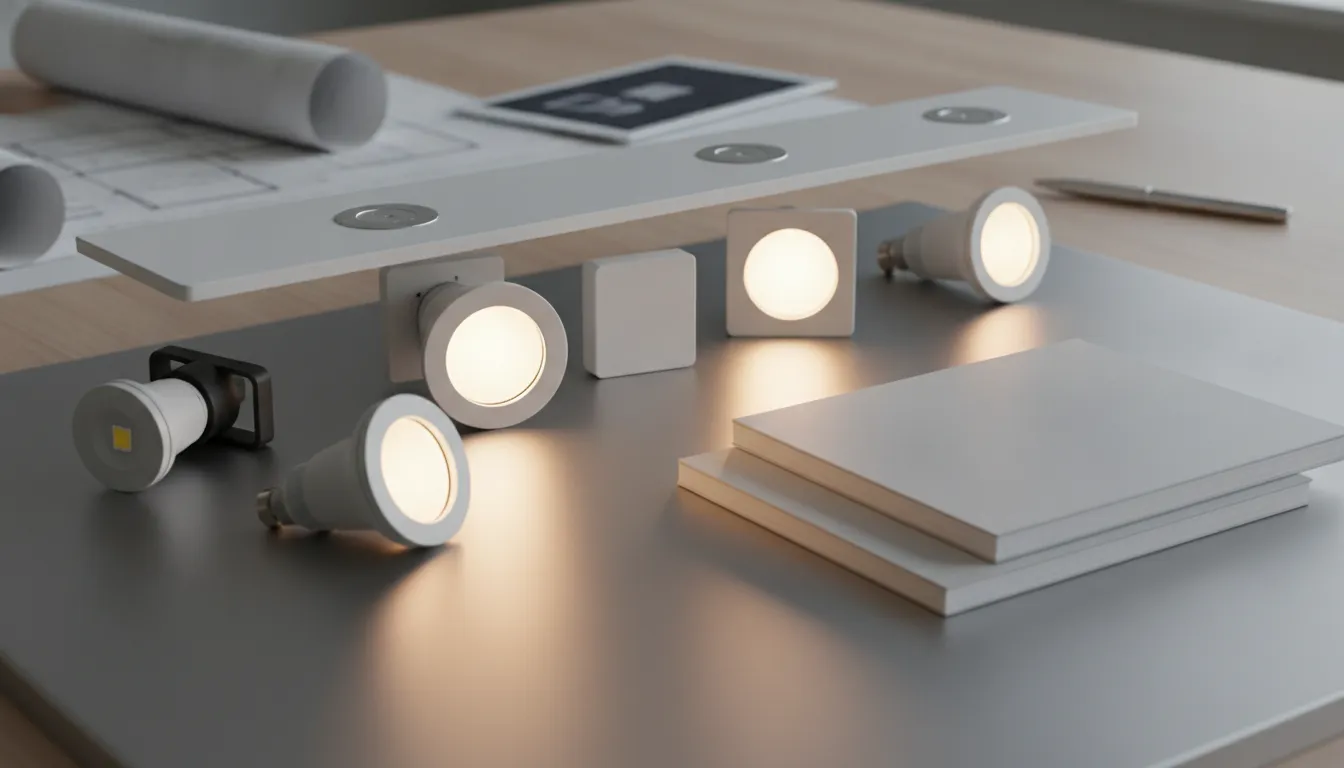
Replacing recessed lighting sounds simple until the new bulb flickers, fails to fit, or produces a different color from the fixtures beside it. These problems often happen because shoppers focus on bulb size and overlook the housing, socket, trim, dimmer, or transformer. The right “recessed lighting bulbs led” should match the complete fixture setup, not just the ceiling opening. It should also suit the room’s purpose and conditions. This guide breaks down the main bulb types and specifications, explains how to measure your existing housing, and shares practical tips for choosing reliable lighting that looks consistent and performs well.
Key Takeaways
- Check compatibility first: Measure the recessed housing, trim opening, depth, socket, voltage, insulation clearance, and location rating before selecting a bulb or fixture.
- Choose specifications for the space: Compare lumens, color temperature, CRI, R9, beam angle, glare control, dimming performance, and energy use based on how the room functions.
- Test one bulb before buying in bulk: Confirm fit, brightness, color consistency, flicker, buzzing, dimmer performance, and trim appearance before installing the full set.
LED Recessed Lighting Bulbs: Know Your Options
LED recessed lighting comes in several formats, so start by identifying what you are replacing. You may need a simple LED bulb for an existing can, a retrofit kit that updates the trim and light source, or a new integrated downlight that combines everything in one fixture.
Your choice affects installation time, appearance, dimmer compatibility, maintenance, and future replacement costs. Check the housing, socket, trim, and available ceiling space before shopping. For larger projects, properly specified recessed lighting can reduce dark spots and provide consistent illumination in offices, conference rooms, retail spaces, and other commercial settings. This guide to commercial recessed lighting offers useful planning considerations.
Compare LED Bulbs and Integrated Downlights
A replaceable LED bulb fits into an existing recessed housing, usually through a standard screw-in or pin-based connection. It is a practical option when the can, socket, and trim are still in good condition. Installation is usually straightforward, and you can change the bulb later if you want a different brightness, color temperature, or beam pattern.
An integrated downlight has the LEDs built into the fixture, often alongside the trim and driver. Its low-profile design can create a clean ceiling appearance and may distribute light more evenly. However, the complete fixture may require replacement if the LED module or driver fails. Before buying, check the fixture’s rated life, warranty, dimming range, and availability of replacement parts.
Compare Retrofit Bulbs and New Fixtures
Retrofit bulbs and kits update an existing recessed can without removing the housing. Many kits include a new trim, an adapter, and an LED light source that connects to the existing socket. They can be a convenient choice during renovations because installation is often quicker and creates less disruption than replacing every housing.
A new fixture is usually the better option when the existing housing is damaged, too shallow, poorly positioned, or incompatible with your electrical controls. New fixtures also give you more control over lumen output, trim style, color temperature, and housing type. For commercial projects, products with selectable lumen and color temperature settings can make it easier to maintain consistent lighting across multiple rooms. This commercial recessed lighting guide explains how configurable fixtures can simplify product selection.
Why Choose LED Recessed Lighting?
LED recessed lighting generally uses less energy than incandescent and halogen lighting and produces less heat during operation. LEDs also have longer rated lifespans, which can reduce maintenance and bulb changes in high ceilings or busy commercial areas. Do not compare wattage alone, though. Review lumens, efficacy, color quality, beam angle, dimming performance, and operating conditions to understand how a fixture will perform.
The slim, unobtrusive design is another advantage. Recessed fixtures keep ceilings visually clear while providing ambient, task, or accent lighting. They suit kitchens, living rooms, offices, retail stores, restaurants, and hospitality spaces because you can select trims and light distributions for different needs. This LED recessed lighting guide covers common commercial applications and selection factors.
Compare Replaceable Bulbs and Integrated Modules
Replaceable LED bulbs offer flexibility over time. If the current light looks too cool, feels too dim, or creates the wrong beam pattern, you can change the bulb without replacing the housing. Keeping compatible spare bulbs on hand also makes maintenance simple, especially in homes, offices, and other spaces where the fixtures are easy to access.
Integrated modules can provide a streamlined appearance and even light distribution. They are also useful in shallow ceilings where a traditional recessed can may not fit. The main tradeoff is serviceability. When the module reaches the end of its rated life, you may need to replace the entire unit instead of one bulb. Compare the rated life, warranty, driver quality, and replacement-part availability before installation. A fixture that combines a clean appearance with practical service options is often the best fit for the space.
Which LED Recessed Bulbs Fit Your Space?
Choosing an LED recessed bulb starts with the housing size, but the best fit also depends on how you want the room to look and function. A narrow hallway may need a compact bulb with controlled light, while a kitchen, living room, or workspace may need a wider beam and higher lumen output.
Measure the recessed can from the inside edge of the opening, rather than relying only on the existing bulb’s label. Common housing sizes include 4, 5, and 6 inches, but the bulb must also fit the trim opening and available depth. Sunco’s recessed LED bulb collection is a useful reference for comparing common bulb sizes and styles.
Then consider the bulb’s beam angle and intended use. A directional PAR bulb can highlight a countertop, artwork, or display, while a BR bulb often spreads light more evenly across a room. If your existing housing is shallow, damaged, or difficult to access, a wafer light or integrated downlight may be a better option than a standard replacement bulb.
Choose BR20 Bulbs for 4-Inch Housings
BR20 bulbs generally fit 4-inch recessed cans. Their smaller diameter makes them useful for compact fixtures in hallways, closets, bathrooms, and smaller rooms. They can provide focused light without making the ceiling look crowded, especially when several fixtures are installed close together.
Before buying, compare the bulb’s actual dimensions with the trim opening. A bulb may fit inside the housing but fail to sit correctly within the trim. Also check the lumen output. BR20 bulbs work well for focused or supplemental lighting, but a larger room may need more fixtures or a broader light distribution. Use Sunco’s recessed bulb selection to compare available BR20 specifications.
Choose BR30 Bulbs for 5- and 6-Inch Housings
BR30 bulbs are designed for 5- and 6-inch recessed cans. Compared with BR20 bulbs, they typically provide a wider beam, making them suitable for general lighting in kitchens, living rooms, offices, and other areas that need broad coverage. Their rounded reflector shape helps distribute light across floors, work surfaces, and seating areas.
A BR30 bulb can provide even ambient light without requiring a large number of fixtures. Still, measure the can and trim before ordering, since 5-inch and 6-inch housings may use different trims. Check the bulb’s diameter, height, base type, lumen output, and dimming specifications together. Sunco’s recessed LED collection can help you compare BR30 options.
Choose BR40 Bulbs for Larger Housings
BR40 bulbs also fit many 5- and 6-inch recessed cans, but they are larger than BR30 bulbs. Their larger size often supports higher lumen ratings, which makes them useful for spacious rooms, high ceilings, open floor plans, and areas where fixtures are spaced farther apart.
A BR40 bulb may not fit every 5- or 6-inch can, so do not choose one based on housing diameter alone. Measure the trim opening and available depth, then check the manufacturer’s fit information. Consider glare as well, particularly in rooms with low ceilings or reflective surfaces. Compare lumen output and beam spread with the specifications in Sunco’s recessed lighting range before replacing several bulbs.
Compare PAR and MR16 LED Bulbs
PAR and MR16 bulbs serve different lighting needs. PAR bulbs have a built-in reflector and typically produce directional light, making them useful for accent lighting, artwork, kitchen islands, shelves, and other areas where you want to aim the beam. Their focused distribution also works well for task lighting.
MR16 bulbs are smaller and commonly used in compact recessed fixtures, track lighting, and adjustable accent applications. They may use a low-voltage connection, which means the fixture could require a transformer. This matters when replacing an older halogen bulb with an LED version. The PacLights guide to recessed LED bulbs provides additional information about PAR and MR16 designs.
Compare Retrofit Trims, Wafer Lights, and Integrated Downlights
Retrofit trims are designed to fit existing recessed housings. They often combine the trim, LED light source, and connector in one replacement unit, which can make installation easier than replacing the entire fixture. This option works well when the existing can is in good condition and you want to update its appearance or lighting performance.
Wafer lights are less than half an inch thick, so they can fit locations where a traditional recessed can is too deep. Integrated downlights combine the fixture and LED module into one unit for a clean appearance, but the entire fixture may need replacement if the LED module fails. MTKelley Electric’s recessed lighting overview explains the differences between these options. Compare installation depth, wiring, trim style, and replacement requirements before deciding.
Match the Bulb, Trim, and Beam Pattern
A bulb can fit the housing and still produce poor results if the trim or beam pattern is wrong. The trim affects the fixture’s appearance and can influence glare, while the beam angle determines how widely light spreads across the room. A narrow beam may suit artwork or a work surface, but it can create bright spots and dark areas when used for general lighting.
For even coverage, consider the beam spread and ceiling height when spacing fixtures. Use a wider beam for ambient lighting and a narrower beam for accent or task lighting. Check whether the bulb sits too far inside the trim, since that position can reduce usable light and create a deep-set appearance. NCLTG’s commercial recessed lighting guide recommends evaluating the bulb, trim, and beam pattern together.
Which LED Recessed Bulb Specs Matter?
The right LED recessed bulb depends on more than its shape and price. Brightness, color quality, beam spread, dimming performance, energy use, and safety certifications all affect how the finished lighting looks and performs. A bulb that works well in a bedroom may feel too dim for a kitchen, while a bright commercial fixture may create uncomfortable glare in a living room.
Start with the room’s purpose, ceiling height, existing housing, and control system. Then compare the specifications below. For commercial projects, this commercial recessed lighting guide offers useful information about lumen output, color temperature, and control options.
Match Lumens and Watt Equivalence to Room Size
Lumens measure how much light a bulb produces. Watts measure energy use, so wattage is not a reliable way to compare LED brightness. Use lumens as your main guide, then check the listed watt equivalence to see which older incandescent bulb the LED is designed to replace.
Your target output depends on the room, ceiling height, surface colors, and fixture spacing. Kitchens, work areas, and retail displays typically need more light than bedrooms or hallways. Avoid choosing the brightest option automatically, since excessive output can create glare. A well-planned recessed lighting layout spreads light evenly instead of concentrating it in a few intense spots.
Choose a Color Temperature from 2700K to 5000K
Color temperature describes whether light looks warm, neutral, or cool. It is measured in kelvins, written as K. Bulbs around 2700K produce a soft, warm glow that suits bedrooms, living rooms, dining areas, and hospitality spaces. Settings from 3000K to 3500K offer a balanced appearance for kitchens, bathrooms, offices, and multipurpose rooms.
Higher settings, such as 4000K to 5000K, look cooler and more focused. They may suit garages, workshops, classrooms, healthcare areas, and some commercial spaces. Compare the bulb with nearby fixtures before buying. Different color temperatures can look noticeably mismatched when several recessed lights are installed in the same room.
Compare Selectable and Color-Changing Temperatures
Selectable-color bulbs let you choose from several preset temperatures, usually with a switch on the bulb or fixture. This option works well when you are unsure which tone will suit the room or when the same product must serve different spaces. You might choose warm light for a lounge and a cooler setting for a home office.
Color-changing bulbs offer control through a remote, wall control, or smart-home app. Some adjust only between white-light temperatures, while others also produce colored light. Check whether the setting remains after a power interruption. Confirm whether the bulb requires a hub, Wi-Fi connection, or dedicated control system. For larger projects, selectable lumen and CCT fixtures can simplify specifications across multiple rooms.
Check CRI, R9, and Color Consistency
The color rendering index, or CRI, indicates how accurately a light source displays colors compared with a reference light source. A higher CRI generally makes paint, food, clothing, artwork, and skin tones appear more natural. Look for a CRI of at least 80 for general lighting, and consider 90 or higher when accurate color matters.
R9 measures how well a bulb renders strong red tones, which affect the appearance of skin, wood, artwork, and food. A high overall CRI does not always guarantee strong R9 performance, so check both specifications when they are available. Also review color consistency ratings across a multipack. Consistent bulbs help prevent one ceiling light from appearing warmer or cooler than the next.
Choose the Right Beam Angle and Light Distribution
Beam angle determines how widely a bulb spreads light. A narrow beam can highlight artwork, shelving, merchandise, or architectural details. A wider beam works better for general illumination because it covers more floor area and reduces dark gaps between fixtures.
Match the beam angle to the ceiling height and fixture spacing. Narrow beams may create bright circles when lights are installed too far apart, while very wide beams can provide less focused light on a countertop or display. Choose a distribution pattern that suits the application, not simply the bulb with the highest lumen rating. Thoughtful planning helps eliminate dark spots and creates more even illumination throughout the room.
Check Dimming, Flicker, and Smart-Control Compatibility
A bulb labeled “dimmable” may not work smoothly with every dimmer. Review the manufacturer’s compatibility list before installation, particularly when the existing control was designed for incandescent or halogen lamps. Watch for low-end dropout, sudden brightness changes, buzzing, or a narrow dimming range.
Flicker may be distracting, especially in peripheral vision or video recordings. Product specifications, independent tests, and customer reviews can reveal issues that product photos will not show. If you want smart control, confirm that the bulb supports your preferred platform and can operate with your wall control. Compatible occupancy sensors can also reduce unnecessary energy use in offices and conference rooms.
Compare Efficacy, Lifespan, Heat Management, and Energy Use
Efficacy describes how much light a bulb produces for each watt of electricity it uses. A higher rating generally means the bulb delivers more light with less power, but compare efficacy alongside brightness, color quality, and beam performance. Two bulbs with similar wattage can produce noticeably different lumen outputs.
LEDs use less energy than incandescent bulbs, but they still need to manage heat. Poor ventilation inside a recessed housing can shorten the life of the electronics and lead to early failure. Check the rated lifespan, operating temperature, warranty, and housing requirements. Retrofit bulbs must fit inside the existing can without blocking ventilation. This matters especially in commercial spaces where recessed LEDs may operate for long periods in offices, retail stores, and hospitality settings.
Look for ENERGY STAR, DLC, UL, and ETL Certifications
Third-party certifications provide helpful checks on performance, efficiency, and safety. An ENERGY STAR certified light meets established requirements for energy use, light quality, and reliability. DLC listings are particularly relevant to commercial projects and utility rebate programs, although eligibility depends on the product and the specific program.
UL and ETL marks indicate that a recognized testing organization has evaluated the product against applicable safety standards. Do not rely on a logo alone. Search the relevant certification database when possible, and confirm that the listing applies to the exact model number you plan to buy. Also check whether the bulb is rated for damp or wet locations, enclosed fixtures, and the intended housing. These details can simplify product approval and reduce compatibility problems during installation.
How Do You Check LED Recessed Bulb Compatibility?
Checking compatibility before buying LED recessed bulbs can help you avoid flickering, poor fit, overheating, and unnecessary returns. Start with the existing fixture rather than the bulb package. Record the can’s diameter, the current bulb shape, the socket type, the housing depth, and any labels printed inside the fixture. Also note whether the housing is insulated, airtight, damp rated, dimmable, or connected to a transformer.
Compatibility depends on more than the bulb’s size. The bulb must match the fixture’s electrical requirements and suit the conditions where you plan to use it. A bulb that works well in a dry living room may not be suitable for a shower enclosure. If you are replacing several lights, test one bulb first. This lets you confirm the fit, light quality, dimming performance, and trim appearance before purchasing the full set. You can compare fixture requirements with Sunco Lighting’s recessed LED bulb selection.
Measure the Can, Bulb, and Trim
Measure the ceiling opening, then check the diameter and depth of the existing recessed can. A 4-inch housing commonly uses a BR20 bulb, while 5- and 6-inch housings often use BR30 or BR40 bulbs. These size recommendations are useful starting points, but always compare them with the product’s exact dimensions. The visible trim may extend beyond the actual housing, so do not measure the trim alone.
Remove the existing bulb and compare its shape, width, length, and base with the replacement. Check whether the new bulb will sit fully inside the can without touching the trim or lens. If you are installing a retrofit trim, measure the mounting clips and confirm that they can grip the housing securely. A bulb may fit through the ceiling opening but still be too long or wide for the fixture. Write down your measurements before shopping, then compare them with the manufacturer’s listed diameter, height, and trim requirements.
Match the Socket, Voltage, and Transformer
Check the socket printed on the old bulb or inside the housing. Common screw bases include E26 and E12, while some recessed fixtures use GU10, GU5.3, or other pin bases. The replacement must match both the base shape and the electrical connection. Never force a bulb into a socket that looks similar but uses different pin spacing or contact points.
Confirm the fixture’s voltage as well. Low-voltage recessed lights often use a transformer, and not every LED bulb works with every transformer. An incompatible transformer can cause flickering, delayed startup, buzzing, or premature failure. Retrofit lamps designed for PL or PLL sockets may have additional electrical requirements, so review the product specifications before installation. If the fixture has an electronic transformer, check whether the bulb manufacturer lists compatible transformer types. When the transformer is old, damaged, or difficult to identify, ask an electrician to inspect it before replacing the bulbs.
Check Housing Depth, Clearance, and Ventilation
Measure the space behind the ceiling opening before choosing a replacement. Traditional recessed cans need enough room between the ceiling joists, while shallow wafer lights can work in tighter spaces. A typical 6-inch recessed light may require an opening of about 6⅜ inches, but exact dimensions vary by manufacturer. Check both the opening size and the available depth, especially if the ceiling contains insulation, ductwork, or framing.
Compare the bulb’s length and heat-clearance requirements with the housing. LEDs produce less heat than incandescent bulbs, but they still need the ventilation specified by the manufacturer. A bulb that presses against insulation, the housing, or the trim may run hotter than intended. Do not compress wiring or force a retrofit kit into a shallow can. For installation planning, review the basic fixture placement and wiring guidance in this recessed lighting installation walkthrough.
Confirm IC-Rated and Airtight Housing Requirements
If insulation touches or surrounds the recessed housing, look for an IC rating. IC-rated fixtures are designed for direct contact with insulation. A non-IC-rated housing may require a specified gap around the fixture, which can make it unsuitable for some ceilings or attic spaces. The rating applies to the housing and fixture assembly, so replacing only the bulb does not change a non-IC fixture into an IC-rated one.
An airtight rating addresses a separate concern. Airtight fixtures help reduce air movement between the room and the space above the ceiling, which can improve comfort and reduce unwanted air leakage. Check the label on the housing and read the installation instructions instead of assuming that an LED bulb changes the fixture’s rating. If you are replacing the entire housing, compare its IC and airtight certifications with local building requirements. This recessed lighting guidance explains why both ratings matter in insulated ceilings.
Check Damp- and Wet-Location Ratings
Match the bulb and fixture ratings to the environment. Dry-rated products suit bedrooms, living rooms, offices, and most hallways. Damp-rated products are intended for areas exposed to moisture, such as bathrooms, laundry rooms, and covered porches, depending on the fixture design and local requirements.
Wet locations require products specifically labeled for wet-location use. A damp rating does not automatically cover direct water exposure. For shower ceilings, uncovered outdoor areas, or locations where water can contact the fixture, check the complete rating for the bulb, trim, housing, and electrical box. These components may have separate limitations. A covered outdoor soffit, for example, may need a damp-rated fixture, while a shower enclosure may require a wet-rated model. Install the fixture according to the manufacturer’s instructions, and keep water away from connections that are not designed for exposure.
Test LED Dimmer and Smart-Control Compatibility
If the fixture uses a dimmer, verify that the LED bulb is dimmable and listed as compatible with that switch. Older dimmers designed for incandescent bulbs can cause flickering, buzzing, limited dimming range, or shutoff at low settings. A dimmer made for LED loads may solve the problem, but check its minimum load, maximum load, and compatibility list first. Installing one compatible bulb as a test can reveal problems before you replace an entire room.
Smart switches and lighting systems also have specific requirements. Some switches need a neutral wire, while others may not work properly with very low-wattage LED loads. If you plan to use voice controls, scenes, or an app, check that the bulb, switch, hub, and wireless system work together. Some smart bulbs require constant power and should not be paired with a wall dimmer. Test the complete setup through its full dimming range and confirm that it starts reliably after a power interruption.
Follow Installation and Electrical Requirements
Turn off power at the breaker before removing a bulb, trim, or fixture. The wall switch alone may not disconnect every wire in the ceiling box, so use a voltage tester to confirm that power is off. Follow the bulb or retrofit kit instructions, including requirements for adapters, clips, grounding, socket removal, and trim installation. Keep the product manual and record the model number for future replacements.
Do not modify wiring unless the instructions permit it and you understand the electrical work involved. Plan the wiring before fully seating a new fixture in the ceiling, and avoid pinching wires beneath the housing or trim. Stop if you find damaged insulation, loose connections, scorched components, or unexpected wiring. For a hardwired replacement, a new circuit, or any installation you cannot identify confidently, hire a qualified electrician. Follow applicable local electrical and building codes, since requirements can vary by location and fixture type.
Where Do LED Recessed Bulbs Work Best?
LED recessed bulbs work best in spaces that need clean, even illumination without bulky fixtures hanging from the ceiling. They can provide soft ambient light across a room, focused task lighting over a work surface, or a narrow beam that highlights artwork, merchandise, and architectural details. Their low-profile design makes them useful in both residential and commercial settings.
The right bulb depends on more than the room name. Consider ceiling height, room size, surface color, moisture exposure, and the activities taking place below the fixture. A kitchen worktop may need bright, focused light, while a bedroom often feels more comfortable with a warmer, softer output. Commercial spaces may also require low-glare optics, high color accuracy, specific certifications, and compatible controls.
Before shopping, map out what each fixture needs to accomplish. Use wide-beam bulbs for general coverage, brighter bulbs over detailed work, and adjustable or narrow-beam options for displays and artwork. You may also need different color temperatures in separate areas. This approach helps you create useful lighting without installing more fixtures than necessary.
Light Kitchens, Living Rooms, Hallways, and Bedrooms
Recessed bulbs are a practical choice for common living spaces because they provide useful light while keeping the ceiling visually simple. In kitchens, place brighter bulbs over counters, sinks, islands, and other work areas. A wide beam can reduce shadows, while adjustable fixtures can direct light toward specific surfaces. This recessed lighting guide covers common applications in residential spaces.
Living rooms and bedrooms often suit warmer color temperatures, such as 2700K to 3000K. Use evenly spaced fixtures for ambient light, then add directional bulbs near reading chairs, artwork, or shelving. Hallways typically need consistent coverage rather than intense brightness, so choose a wide beam and avoid placing fixtures too close to walls unless you want to highlight artwork or architectural details.
Choose Bulbs for Bathrooms and Damp Areas
Bathrooms need bulbs and housings rated for damp locations, especially near showers, bathtubs, and sinks. Moisture can damage components that are not designed for these conditions, so check the product label and installation instructions before buying. This commercial recessed lighting resource explains why location ratings matter in bathrooms and other damp areas.
For general bathroom lighting, choose a color temperature between 3000K and 4000K, depending on the atmosphere you want. A high-CRI bulb can make skin tones and grooming details appear more accurate. Also consider glare around mirrors, where a poorly positioned ceiling fixture may create harsh shadows across the face. Recessed bulbs work best when paired with properly positioned vertical vanity lighting.
Light Offices and Conference Rooms
Offices and conference rooms need comfortable, uniform light for reading, computer work, collaboration, and video calls. Choose recessed LED bulbs with even distribution and low glare. Excessive brightness or reflections on screens can cause discomfort, particularly when fixtures sit directly above desks or monitors.
Selectable color temperatures can be useful in shared workspaces because they allow the lighting to suit focused work, presentations, or informal meetings. Look for reliable dimming and flicker control, then pair the fixtures with compatible switches. This commercial recessed lighting guide identifies uniform, low-glare lighting as a strong fit for offices and conference rooms.
Light Retail Stores, Showrooms, Galleries, and Restaurants
Retail stores and showrooms often use recessed bulbs for both general illumination and product-focused accent lighting. Adjustable or narrow-beam bulbs can draw attention to shelves, mannequins, displays, and featured merchandise. High-CRI LEDs are especially helpful when customers need to see accurate colors in clothing, furniture, paint, cosmetics, or artwork.
Restaurants and galleries usually benefit from layered lighting. Use softer ambient light for comfort, then direct accent bulbs toward tables, artwork, menus, or architectural features. Beam angle affects the result: a narrow beam creates a concentrated highlight, while a wider beam spreads light more evenly. Recessed fixtures can support both product highlighting and consistent illumination across commercial spaces.
Choose Bulbs for Healthcare, Hospitality, and Classrooms
Healthcare facilities, hotels, and classrooms need lighting that is comfortable, consistent, and easy to manage. Avoid bulbs that create strong glare, visible flicker, or distracting color shifts. A neutral color temperature, often around 3500K to 4000K, can provide a clear appearance without feeling overly harsh.
Healthcare areas may also require specific cleanability, safety, and installation standards. Hospitality spaces often benefit from dimming and selectable color temperatures, while classrooms need even illumination across desks, boards, and walkways. Confirm the project requirements before ordering. Commercial fixtures designed for healthcare, hospitality, and educational settings may include additional performance and control features.
Light Warehouses and Industrial Areas
LED recessed bulbs can work in warehouses, workshops, and industrial areas when the fixtures provide enough brightness for the ceiling height and tasks. Efficient LEDs suit spaces that operate for long hours, while their long service life can reduce maintenance visits. Bright, evenly distributed light can also make aisles, storage areas, and workstations easier to use.
A standard residential recessed bulb may not suit a demanding industrial environment. Check the fixture’s temperature range, housing construction, dust protection, and location rating. At greater ceiling heights, compare lumen output and beam angle carefully. A narrow beam may leave dark gaps, while an overly wide beam may not deliver enough light to the work surface. This industrial lighting guide offers additional information about efficiency and coverage.
Match Bulbs to Task, Ambient, or Accent Lighting
Start by identifying the purpose of each fixture. Ambient lighting fills a room with general illumination, so choose bulbs with a wide beam and consistent output. Task lighting supports activities such as cooking, reading, grooming, or working. It usually requires brighter light aimed at a specific surface.
Accent lighting draws attention to artwork, displays, textured walls, or decorative objects. Use adjustable trims or directional bulbs when placement matters. A narrow beam creates a focused highlight, while a medium or wide beam produces a softer effect. Many projects combine all three types, using broad ceiling lighting as a base and brighter directional fixtures for tasks and visual details. Recessed lighting can be tailored to task, ambient, and accent applications.
Control Glare and Follow Local Codes
Glare can make a well-lit room uncomfortable. To reduce it, avoid placing bright fixtures directly in a person’s line of sight, especially above seating, desks, beds, and screens. Select recessed trims that shield the light source, and use wider distribution or dimming when a space feels too intense. In offices and retail settings, low-glare products can improve visual comfort while maintaining useful illumination.
Installation must also follow local electrical and building codes. Requirements may cover housing type, insulation contact, airtight construction, damp or wet locations, spacing, wiring, and fire safety. Check the fixture markings before installation, and consult a qualified electrician if the existing housing, wiring, or dimmer is uncertain. Proper installation helps minimize glare and meet building code requirements, while reducing the risk of heat, connection, and compatibility problems.
Which LED Recessed Bulb Brands Should You Compare?
The brand you choose can affect more than the bulb’s appearance. Reliability, light quality, dimming performance, warranty support, and product consistency all matter when you are replacing several recessed bulbs at once. A small difference between two bulbs may be difficult to notice in a single fixture, but mismatched color or brightness can stand out across a kitchen, office, retail space, or hallway.
Cree, Philips, and Sunco are three brands worth comparing, although each offers different strengths. Cree is often considered for long service life, Philips is known for consistent light quality and efficient products, and Sunco offers a wide selection of sizes and color temperatures. Product lines can vary within the same brand, so compare the specifications for the exact model rather than relying only on the brand name.
Customer reviews can point out issues that product descriptions leave out, such as flickering, buzzing, poor dimming, or early failure. However, one person’s experience may not apply to your housing, dimmer, or electrical system. Look for reviews from buyers with similar fixtures, then confirm the bulb’s technical details through the manufacturer’s documentation.
Before buying a full set, order one or two bulbs for testing. Check their fit, brightness, color, dimming range, and appearance at different times of day. This simple step can prevent the cost and hassle of removing a large batch that does not work well in your space.
Compare Cree’s Reliability and Service Life
Cree is worth considering when you want recessed bulbs that may remain in service for many years. LED lifespan depends on more than the number printed on the package. Heat, operating hours, voltage, dimmer compatibility, and housing ventilation can all affect performance. A bulb installed in a hot, enclosed can may not last as long as the same model in a cooler, well-ventilated fixture.
Long-term owner feedback offers useful context. In a discussion about LED bulbs for recessed lights, one user reported that none of 20 Cree bulbs had failed after approximately eight years. This is an individual experience, not a guarantee, but it shows why some buyers associate Cree with dependable service life.
When comparing Cree products, check the rated lifespan, warranty, operating temperature, dimmer list, and housing requirements. Also confirm the bulb’s diameter and trim style before ordering.
Compare Philips’ Light Quality and Energy Efficiency
Philips is a useful option to compare when light quality matters as much as power consumption. A well-designed LED recessed bulb should provide even illumination without harsh glare, visible color shifts, or a delay when switched on. For kitchens, workspaces, and reading areas, compare CRI and beam quality alongside watt equivalence.
Owner feedback can help you assess how a bulb performs over time. One user in the same LED recessed bulb discussion reported using Philips bulbs for five years without burnouts or other problems. Individual results vary, but detailed reviews may reveal patterns that short-term testing cannot show.
Compare Philips models by lumens per watt, color temperature, CRI, beam angle, and dimming range. An efficient bulb may use less electricity for a similar light output, but the most efficient model is not automatically the best choice if its color or beam does not suit your room.
Compare Sunco’s Selection and Color Options
Sunco may suit shoppers who need multiple bulb sizes, shapes, or color temperatures. Its recessed LED bulb collection includes BR20, BR30, and BR40 options, as well as products in a broad range of color temperatures. Depending on the model, choices range from warm 2200K light to cool 6000K light.
This variety can make it easier to match bulbs to different rooms. Warm light often works well in bedrooms and living rooms, while 4000K light may be better suited to kitchens, offices, and utility spaces. Avoid mixing noticeably different temperatures in one ceiling unless you want a deliberate contrast.
Sunco also offers models with features such as dimming and smart control. Review the exact product’s lumens, trim size, beam angle, location rating, and control compatibility before buying. A wide selection is valuable only when the specifications match your fixtures.
Compare Reviews With Independent Testing
Customer reviews can reveal problems that a product page may not mention. Look for comments about flickering, buzzing, poor low-level dimming, premature failure, and color differences between bulbs. Reviews become more useful when they explain the housing type, dimmer model, installation location, and length of use.
Sort reviews by recent purchases and longer ownership periods, but treat extreme praise or criticism carefully. A bulb may perform well for one buyer and poorly for another because of differences in wiring or controls. Several similar reports are more meaningful than one isolated complaint.
Independent testing and certification records provide another point of comparison. Check the ENERGY STAR certified lighting database, and look for recognized safety marks such as UL or ETL. These marks do not confirm compatibility with every fixture, but they indicate that the product has undergone relevant safety evaluation.
For commercial installations, lighting affects visibility, atmosphere, customer impressions, and employee comfort. This overview of recessed lighting in commercial spaces explains why product selection deserves more attention than a simple price comparison.
Check Warranties and Technical Support
A warranty helps you estimate the risk of choosing one bulb over another. Check the coverage period, replacement process, required proof of purchase, and exclusions before placing an order. Some warranties cover the bulb but exclude labor, shipping, installation mistakes, power surges, or use with an incompatible dimmer.
Many BR-style LED bulbs include features such as dimming, damp-location approval, and a five-year warranty. Sunco’s product listings show how these details may be presented for recessed bulbs. Review the warranty and specifications for the exact model, since coverage and ratings can differ across a brand’s product range.
Technical support is especially useful when you are installing many bulbs or connecting them to smart controls. Look for clear instructions, compatibility information, troubleshooting guidance, and a straightforward replacement procedure. A responsive support team can save time if a bulb flickers, fails to dim, or does not fit as expected.
Check Color Consistency Across Multi-Bulb Packs
Color consistency becomes important as soon as several recessed bulbs share the same ceiling. Two bulbs labeled 3000K may still look slightly different because of manufacturing variation, different LED components, or changes between production runs. Those differences are more noticeable in open-plan rooms and spaces with multiple fixtures.
Look for products that state their lumen and color temperature options clearly. Manufacturers may also provide information about LED binning, which refers to sorting components so their light output and color remain within a defined range. Commercial lighting guidance often emphasizes consistent output across fixtures, and this commercial recessed lighting guide explains why consistent lumen and CCT choices simplify larger installations.
Whenever possible, buy enough bulbs from the same model and product batch. Keep one unopened bulb for future replacement, and photograph the label before discarding the packaging. If one bulb looks noticeably warmer, cooler, brighter, or dimmer than the others, pause installation and contact the seller before combining it with another pack.
What Problems Can LED Recessed Bulbs Cause?
LED recessed bulbs use less energy and generally last longer than incandescent bulbs, but they can still cause problems when the bulb, housing, dimmer, or wiring is not compatible. Common symptoms include flickering, buzzing, uneven brightness, poor color matching, excessive heat, and bulbs that do not sit securely in the ceiling.
Many LED problems come from the fixture setup rather than the bulb itself. An LED bulb may be labeled dimmable but perform poorly with an older dimmer. A retrofit bulb may fit the socket but fail to sit correctly inside the housing, creating glare or uneven light. Before replacing several bulbs, check the can size, socket, dimmer rating, housing type, and installation.
Turn off power at the breaker before inspecting a recessed fixture. If you notice damaged wiring, scorch marks, repeated breaker trips, a hot switch, or a loose connection inside the ceiling, contact a qualified electrician. This guide to recessed lighting in commercial spaces also explains how heat, dimmer compatibility, and installation quality affect lighting performance.
Fix Flickering and Strobing
Flickering may look like a visible shimmer, a rapid strobe, or a subtle pulse that becomes obvious when you move your eyes. Possible causes include an incompatible dimmer, loose wiring, overheating, unstable power, or a failing bulb.
Set the dimmer to full brightness first. If the flickering stops, the bulb and dimmer may not work well together, particularly near the bottom of the dimming range. Replace an older switch with one rated for LED lighting, and check the bulb manufacturer’s list of approved dimmers.
If the light flickers at every setting, test a known-compatible bulb in the same socket. Inspect the bulb, trim, and connections only after switching off the breaker. Flickering across several fixtures may indicate a wiring or power issue that needs an electrical inspection.
Prevent Buzzing With Compatible Dimmers
A faint buzz often results from the interaction between an LED driver and a dimmer. Older dimmers were designed for incandescent bulbs, which draw more power and respond differently. A low-quality or incompatible switch can create audible noise, flickering, or uneven light output.
Check the dimmer’s product information for LED compatibility, minimum load requirements, and tested bulb combinations. A switch may support LED lighting in general but still perform poorly with a specific bulb. This LED lighting discussion explains why the dimmer must match the fixture and electrical load.
If the buzzing continues, test one compatible dimmer with one bulb from the same manufacturer. Do not ignore a loud buzz, especially if the switch feels hot, smells burnt, or shows discoloration. These signs require prompt electrical attention.
Fix Low-End Dimming Dropout
Some LED recessed bulbs turn off before the dimmer reaches its lowest setting. This issue, called low-end dropout, can also cause pulsing, sudden jumps in brightness, or inconsistent operation near the dimmer’s minimum level.
If your dimmer has a low-end trim adjustment, follow the manufacturer’s instructions to set it. This adjustment changes the minimum power delivered to the bulb and may help the light remain on at a lower brightness.
If the problem continues, compare the bulb’s published dimming range with the dimmer’s specifications. Different LED fixtures can behave differently at low brightness, even when both products claim to be dimmable. A bulb and dimmer listed as compatible will usually perform better than an improvised combination.
Prevent Overheating and Early Failure
Excess heat can shorten an LED bulb’s service life and cause intermittent operation, discoloration, or early failure. Recessed housings can hold heat around the bulb, so the product needs enough clearance and ventilation for its design.
Check the housing size before buying. A bulb made for a 6-inch can may not fit properly in a 4-inch housing, and a replacement bulb may have different clearance requirements from the original. Confirm whether it is approved for insulated or airtight housings, since these conditions can affect heat management. Sunco’s recessed LED bulb range shows the product details worth checking before installation.
Never exceed the bulb or housing temperature rating. If multiple bulbs fail in the same location, inspect the can, insulation, ventilation, and wiring instead of assuming the bulbs are defective. An electrician can determine whether the fixture needs a different bulb or a housing replacement.
Correct Uneven Color and Inconsistent Light Output
A ceiling can look mismatched when recessed bulbs have different color temperatures, beam angles, lumen levels, or LED designs. One fixture may appear warm and soft while another looks cool and harsh, even when both products are labeled “white.”
Start by comparing the Kelvin rating. Use bulbs within the same color-temperature range across visible groups, such as a kitchen ceiling or hallway. Then compare lumens, beam spread, and color-rendering information. A brighter bulb can appear to have a different color from a lower-output bulb nearby.
Color-selectable fixtures can help when a room serves more than one purpose. Some models let you choose the temperature during installation, which is useful in kitchens, bedrooms, and work areas. For the most consistent result, use matching bulbs from the same product line and install them together.
Fix Poor Fit, Loose Connections, and Glare
A bulb that sits too deep, extends beyond the trim, or shifts when touched can create uneven light and distracting glare. The cause may be the wrong bulb diameter, an incompatible trim, missing clips, or a socket that does not hold the adapter securely.
Measure the opening and compare it with the manufacturer’s dimensions, not only the nominal can size. Check that spring clips or torsion springs engage properly, then make sure the trim sits flush with the ceiling. Never force a bulb into a housing that is too shallow or narrow.
Thin wafer lights can help when ceiling joists leave little room for a traditional can. They can often be installed directly over a joist, which provides more placement flexibility. If glare remains, try a baffle trim, lower lumen output, or wider beam angle.
Consider Replacement Costs for Integrated Fixtures
Integrated LED downlights contain the LEDs and driver inside the fixture, so there is no separate bulb to replace when the light stops working. This design creates a clean appearance and slim profile, but a failed component often means replacing the complete unit.
Before choosing an integrated fixture, check its rated life, warranty, replacement availability, and installation method. A low purchase price may become less appealing if the entire fixture must be replaced after a driver failure. Save the model number and installation instructions so you can locate a matching unit later.
Some integrated products include selectable color temperatures or secondary LED rings that change the fixture’s appearance. Screw-in retrofit bulbs may offer adjustable or extendable designs, giving you more flexibility with fit and future replacement. In rooms with difficult access, replaceable bulbs can make maintenance simpler and less expensive.
Troubleshoot Power, Compatibility, and Installation in Order
When a recessed LED bulb does not work, check the simplest causes first. Confirm that the breaker is on, test the wall switch, and see whether other fixtures on the circuit operate normally. If only one light is affected, turn off power and inspect the bulb, socket, and trim for visible damage.
Next, check compatibility. Confirm the bulb base, voltage, housing rating, dimmer support, and damp- or wet-location rating. A bulb can fit physically while remaining electrically unsuitable. If the fixture uses a transformer, verify that the LED product works with its output and minimum load.
Finally, review the installation. Loose connections, pinched wires, poor socket contact, or a fixture that is not fully seated can cause flickering or shutdowns. Complete the wiring before fully seating the fixture in the ceiling, as discussed in this recessed lighting installation video. Stop and call an electrician if concealed wiring is involved or the problem continues after compatible parts are installed.
Where Can You Find LED Recessed Bulb Deals?
The best LED recessed bulb deal is not always the lowest price shown on the product page. A good purchase should fit your housing, provide the right amount of light, work with your dimmer, and include dependable support if something fails. Before ordering, compare the bulb’s size, base, lumens, color temperature, beam angle, certifications, and location rating with your project requirements.
You can find recessed bulb deals through online lighting retailers, manufacturer stores, hardware shops, electrical suppliers, and commercial distributors. Each source has different advantages. Online stores often offer a wider selection, local suppliers can help confirm compatibility, and contractor distributors may provide better pricing for larger orders.
For commercial or multifamily projects, also review rebate requirements and product listings before purchasing. A product may qualify for a utility incentive only if you choose the exact model listed in the program. Comparing the purchase price with energy use, replacement costs, shipping, and warranty coverage will give you a clearer view of the actual value.
Shop Online Lighting Retailers and Manufacturer Stores
Online lighting retailers make it easy to compare bulb sizes, lumen output, color temperature, CRI, beam angles, certifications, and dimming features. Manufacturer stores are useful when you need complete technical specifications, installation documents, replacement information, or a matching trim.
Look for listings that identify the bulb shape and base, such as BR30, BR40, GU10, or MR16, along with the intended housing size. Product photos are not enough. A reliable listing should state whether the bulb is dimmable, rated for damp locations, compatible with enclosed fixtures, and covered by a warranty.
For commercial applications, recessed LED lighting is common in offices, retail stores, and hospitality spaces because it delivers efficient, consistent illumination. This recessed LED lighting guide provides useful context when comparing products for larger installations.
Visit Hardware and Electrical Suppliers
Local hardware stores and electrical suppliers are helpful when you need bulbs quickly or want to compare a replacement with your existing fixture. Bring the old bulb, a photo of the housing label, or the can and trim measurements. Staff may be able to identify the socket, voltage, housing size, and suitable replacement.
Electrical suppliers are particularly useful for renovation and commercial projects. They may carry contractor packs, professional-grade products, and brands that are not widely stocked in general retail stores. Ask about lead times, replacement availability, and whether the same model will remain in stock for future orders.
Inspect the packaging for lumens, color temperature, CRI, dimmer compatibility, and location rating. Properly installed recessed lighting can reduce dark spots and provide consistent illumination in conference rooms, retail spaces, and other areas where visibility matters. This commercial recessed lighting guidance explains why uniform light matters in these settings.
Compare Bulk and Contractor Pricing
If you need several bulbs, compare the cost of a multi-pack with the price of individual units. Bulk pricing can lower the cost per bulb, but only when every unit has the specifications your project requires. A cheaper pack is not a good deal if it includes the wrong color temperature, beam angle, wattage, or trim style.
Ask suppliers about contractor discounts, volume tiers, free shipping, and recurring-order pricing. For larger projects, request a written quote that lists the exact model number, quantity, color temperature, warranty, and delivery date. This can help prevent substitutions that create visible differences across the installation.
Commercial buyers should check whether the product supports selectable lumens, multiple color temperatures, and lighting controls. Some commercial recessed fixtures are designed for several applications with adjustable output and CCT settings. This commercial recessed lighting guide explains how these features can simplify product selection.
Check Rebates, Energy Incentives, and DLC Eligibility
Energy rebates can reduce the effective cost of LED recessed lighting, especially for commercial, multifamily, and public-sector projects. Check your utility’s rebate database before buying, since eligibility may depend on the exact model, lumen output, control system, installation location, or project type.
For commercial lighting, confirm whether the fixture or retrofit appears on the DLC Qualified Products List. DLC listing does not automatically guarantee a rebate, but many programs use it as one requirement. You may also need an invoice, product specification sheet, installation date, and proof of purchase.
Do not assume that every product labeled “LED” qualifies. Verify the complete model number, not just the brand name. Similar versions may have different wattages, color temperatures, controls, and certifications. Some commercial recessed products offer selectable lumen levels and CCT settings, allowing one fixture to suit multiple applications while meeting project requirements.
Compare Unit Price and Total Ownership Cost
Compare more than the price printed beside each bulb. Add the cost of the bulbs, installation, shipping, replacement parts, and expected energy use. A product that costs slightly more may offer better efficiency, a longer warranty, or more reliable dimming, making it the better choice over time.
Check wattage and lumens together. Two products may produce a similar amount of light while using different amounts of electricity. Also confirm that the bulb works with your existing housing and dimmer. Replacing a compatible bulb is usually less expensive than changing the entire fixture or hiring an electrician to correct a compatibility problem.
For a larger project, review the lighting layout before ordering. A well-planned arrangement can provide even illumination without excessive wattage or unnecessary fixtures. This commercial recessed lighting advice covers layout and design factors that affect long-term performance.
Check Warranty, Returns, Shipping, and Product Consistency
Read the warranty before buying and confirm what it covers. Check the warranty length, approved installation conditions, replacement process, and whether the seller covers shipping for defective products. Keep your receipt and record the model number in case you need to make a claim.
Review the return policy as well. Some sellers charge restocking fees, exclude opened electrical products, or allow returns only within a short window. Choose a retailer that clearly explains how to return a damaged, incompatible, or incorrectly shipped item. When the order arrives, inspect every package and test one bulb before installing the entire batch.
Consistency matters when several recessed bulbs appear in the same room. Buy the same model and color temperature whenever possible, and compare lot or batch information if available. Differences in brightness or color can be noticeable across retail displays, offices, and conference rooms. This commercial recessed lighting resource explains why consistent illumination is important in these environments.
Use This LED Recessed Lighting Bulb Checklist
Choosing the right LED recessed lighting bulb involves more than matching the bulb to the opening in your ceiling. You also need to consider brightness, color temperature, color accuracy, beam spread, dimming performance, safety ratings, and the conditions where the fixture will operate.
Use this checklist before you shop:
- Measure the housing, opening, trim, and socket.
- Choose lumens based on the room and the type of lighting you need.
- Select a color temperature that suits the space.
- Check CRI, R9, beam angle, and light distribution.
- Confirm compatibility with the fixture, dimmer, voltage, and controls.
- Verify the location rating, certifications, lifespan, and warranty.
- Test one bulb before installing a full set.
- Record the product specifications for future replacements.
This process can prevent common problems, including poor fit, flickering, buzzing, uneven color, glare, and bulbs that fail sooner than expected. It also makes it easier to compare products from different manufacturers because you are reviewing the same specifications each time.
If you are replacing several bulbs in one room, consistency matters. Using bulbs with different color temperatures or beam patterns can make the ceiling look uneven, even when every fixture works properly. ENERGY STAR’s lighting guidance explains how LED bulb efficiency, brightness, and color performance differ from older lighting technologies.
Measure the Housing Before You Shop
Measure the recessed housing, rather than relying only on the visible trim. Record the opening diameter, housing depth, socket position, and clearance around the fixture. Common residential sizes include 4-inch, 5-inch, and 6-inch housings, but dimensions can vary by manufacturer.
For traditional cans, BR20 bulbs generally suit 4-inch housings. BR30 bulbs commonly fit 5- and 6-inch housings, while BR40 bulbs are better suited to larger openings. These are general guidelines, so compare the bulb’s published dimensions with your existing fixture before ordering.
If you are buying a retrofit trim, wafer light, or integrated downlight, check the required cutout size instead of assuming it will fit a standard can. A bulb that is too large may not sit securely, while one that is too small can leave gaps around the trim. Measure twice, then compare the dimensions listed by the manufacturer.
Set Lumens, Color Temperature, CRI, and Beam Requirements
Use lumens to compare brightness. Wattage tells you how much electricity a bulb uses, while lumens describe the amount of light it produces. For general room lighting, a higher lumen rating may be useful, but task areas and accent lighting often need a more focused beam instead.
Color temperature affects the room’s appearance. Bulbs around 2700K create a warm look for bedrooms and living rooms. Options around 3000K suit many kitchens and bathrooms, while 4000K to 5000K bulbs provide a cooler appearance for offices, workshops, and utility spaces.
Check the color rendering index, or CRI, when accurate color matters. A CRI of 80 works for many everyday applications, while 90 or higher can make food, clothing, artwork, and finishes appear more natural. You should also compare beam angle if you are lighting a countertop, table, display, or narrow hallway.
Verify Fixture, Dimmer, Voltage, and Location Compatibility
Confirm that the bulb’s base matches the socket in your recessed housing. E26 screw bases are common, but some fixtures use GU10, bi-pin, or specialty connectors. Retrofit kits may connect differently from standard replacement bulbs, so check the installation instructions before you buy.
If the fixture uses a dimmer, select a bulb labeled dimmable and confirm that the dimmer supports LED loads. Older dimmers may require more electrical load than an LED bulb provides, which can result in flickering, buzzing, limited dimming, or a delayed start. The U.S. Department of Energy’s LED lighting guidance explains key differences between LED and traditional lighting.
Check the bulb’s voltage requirements, especially for commercial or specialty installations. Then confirm the location rating. Dry-rated bulbs suit ordinary interior spaces, while bathrooms, covered porches, and outdoor soffits may require damp-rated or wet-rated products.
Check Certifications, Lifespan, and Warranty
Look for recognized safety and performance certifications before purchasing. UL and ETL marks indicate that an independent testing organization has evaluated the product against applicable safety standards. ENERGY STAR certification can help you identify products that meet defined efficiency and performance requirements.
For commercial projects, check whether the bulb or fixture has DLC qualification. This may matter when you are applying for an energy rebate or following a project specification. Always confirm that the exact model number is listed, since a manufacturer may offer several similar products with different qualifications.
Review the estimated lifespan as a comparison point, not a guarantee. Heat, operating hours, voltage changes, and poor ventilation can affect service life. Also read the warranty details, including the coverage period, exclusions, proof-of-purchase requirements, and replacement process. A longer warranty is most useful when the manufacturer offers clear instructions and responsive support.
Test a Sample Before Full Installation
Test one bulb before replacing every recessed light in the room. Install it in the intended housing and use the same dimmer, switch, or smart control that you plan to keep. Look for flickering, buzzing, delayed startup, poor dimming, or changes in color at different brightness levels.
View the bulb at different times of day. A light that looks comfortable in bright afternoon sunlight may feel too cool or harsh at night. Check how it renders countertops, flooring, wall paint, cabinetry, and nearby furnishings. If the light creates hard shadows or an overly narrow pool of light, consider a wider beam angle or a different trim.
Testing can also expose physical problems, such as a loose socket, an uneven trim, or insufficient clearance inside the housing. If the bulb flickers, review the manufacturer’s dimmer compatibility information before changing the fixture. If electrical work is needed, follow local requirements and use a qualified professional when appropriate.
Record Specs for Future Replacements
Save the packaging, product page, or installation instructions after you choose a bulb. Record the brand, model number, size, base type, lumen output, color temperature, CRI, beam angle, voltage, dimming details, and location rating. A clear photo of the product label can also preserve the most important information.
These details matter when you need a replacement later. Products with similar names may still differ in brightness, color, trim size, connector type, or dimming performance. Matching the original specifications helps keep a room visually consistent, particularly when several bulbs share one ceiling.
For larger installations, keep a lighting file with receipts, warranty information, and installation dates. Note which rooms use each model and whether the bulbs connect to a specific dimmer or smart lighting system. If the original product is discontinued, these records make it easier to find a compatible replacement without guessing.
Frequently Asked Questions
How do I know which LED recessed bulb size I need?\ Measure the recessed housing and ceiling opening, then compare those measurements with the bulb’s listed diameter and height. BR20 bulbs commonly fit 4-inch housings, while BR30 and BR40 bulbs are often used in 5- and 6-inch housings. Always confirm the socket, trim opening, and available depth before ordering.
Are integrated LED downlights better than replaceable LED bulbs?\ It depends on your priorities. Replaceable bulbs make future changes and maintenance easier, while integrated downlights offer a slim appearance and can work well in shallow ceilings. Before choosing an integrated model, review its warranty, rated life, driver quality, and replacement options.
What LED recessed bulb specifications should I compare?\ Start with lumens, color temperature, CRI, beam angle, dimming range, voltage, and location rating. Also check whether the bulb is compatible with your housing, transformer, dimmer, smart controls, and insulation conditions. For commercial projects, certifications such as ENERGY STAR or DLC qualification may also matter.
Why do my LED recessed bulbs flicker or buzz?\ Common causes include an incompatible dimmer, an unsuitable transformer, loose wiring, overheating, or a failing bulb. Test the light at full brightness, confirm the dimmer’s LED compatibility, and inspect the fixture only after switching off power at the breaker. Contact an electrician if multiple fixtures flicker or you find damaged wiring.
Should I test one recessed bulb before buying a full set?\ Yes. A sample can confirm the physical fit, brightness, color, beam spread, dimming performance, and appearance in your room. Testing first also helps you catch flickering, glare, poor trim fit, or color differences before installing several bulbs.