
2026-10-22
Outdoor Lighting in San Antonio: What Homeowners Should Ask an Installer
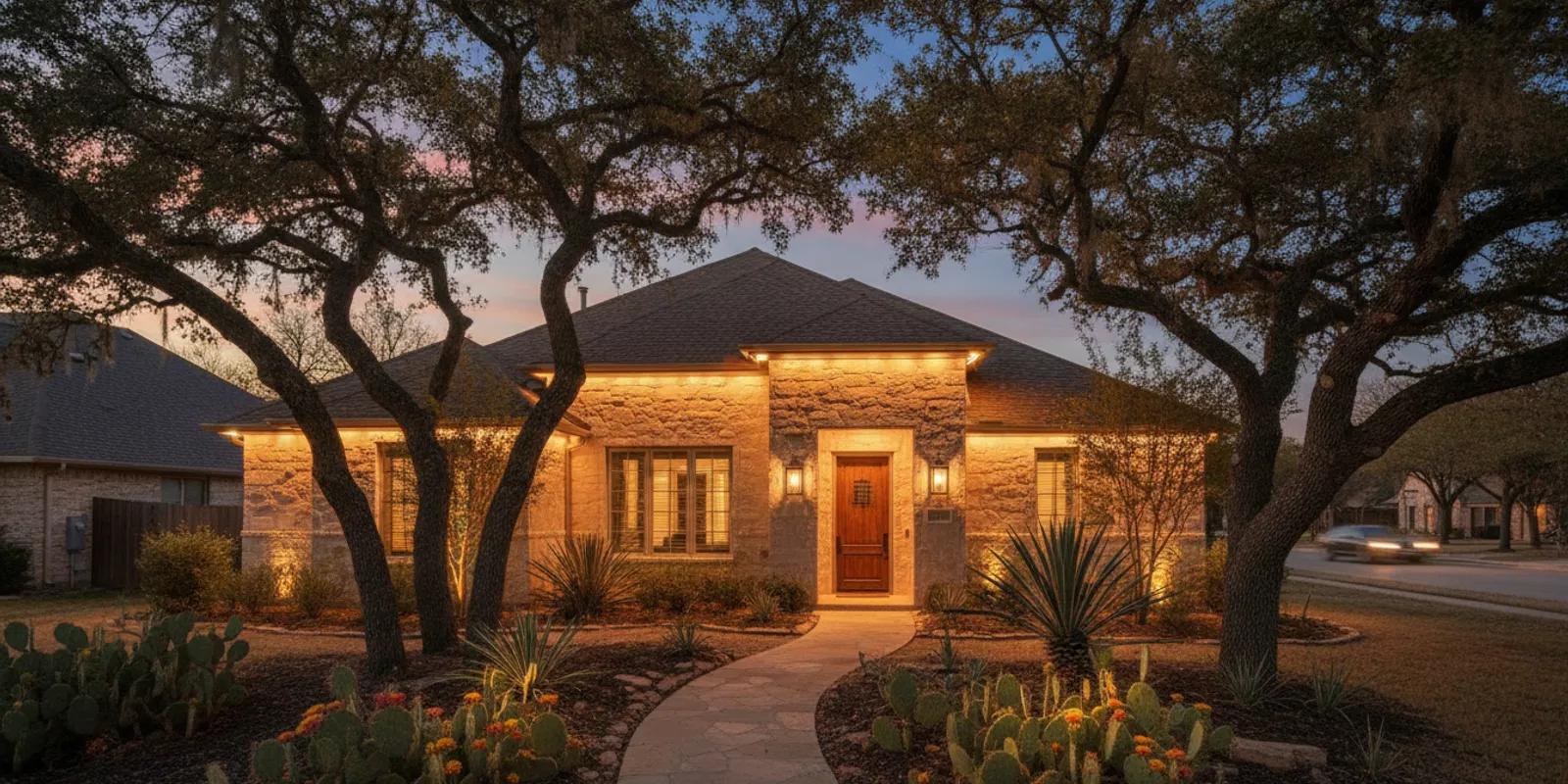
Choosing outdoor lighting in San Antonio is not only about how a home looks after dark. The right installer should understand the property, explain the proposed roofline coverage, and make clear what is and is not included. Asking focused questions before you choose helps you compare plans based on the work your home needs.
What should you decide before talking with an installer?
Start with the job you want the lighting to do. A homeowner who wants holiday color may have a different priority from someone focused on everyday architectural accents, game-day displays, security visibility, or patio ambiance. Permanent roofline lighting can support several uses, but the planned areas and desired appearance should be discussed rather than assumed.
Walk around the property at dusk and note the sections you want considered. Think about the front elevation, sides visible from the street, roofline edges, and any patio area that matters to you. You do not need to design a technical plan. A short list of priorities gives the installer a useful starting point.
- Which elevations should be lit, and which can remain unlit?
- Is the main goal holiday color, everyday accent lighting, game-day use, security visibility, or a combination?
- Do you want the look to be subtle from the street or more prominent?
- Are there times of year or occasions when you expect to use the system?
Separate must-haves from optional ideas. You might want the front roofline included first, while treating a side elevation or patio as a possible addition if scope and conditions allow. This lets the installer discuss alternatives without asking you to guess how the work should be planned.
Consider your household's actual routines. If you decorate for several holidays, note which colors or moods matter most. If you mainly want a restrained everyday look, describe where you want the light to be visible and when you expect to use it. If different family members have different priorities, write them down before the appointment. A clear list prevents one person’s preference from becoming an unspoken assumption in the proposal.
What questions help you evaluate an installer?
Ask how the installer will assess your property and define the scope. A useful answer should connect the proposed work to your address and chosen elevations, not rely on a generic assumption about every home. Ask what portions of the roofline the plan covers and whether any areas you mentioned are excluded.
How is the proposed coverage determined?
Ask the installer to walk through the intended coverage in plain language. If the plan uses a drawing, marked photos, or a written scope, make sure you can identify the included sections. Confirm how corners, roofline breaks, and transitions are handled in the proposal. The goal is not to demand a particular installation method; it is to ensure both sides mean the same thing by the project scope.
Use your walk-around notes as a checklist. Point to each area and ask whether it is included, excluded, or still subject to review. If the answer depends on a site condition, have that condition noted as an assumption rather than treating it as settled. Ask for the proposal to distinguish clearly between work that is confirmed and details that still need review.
Try a practical example: if the front roofline has a main gable and a lower porch section, ask whether both are in the plan. If a side roofline turns behind a tree or is not visible from the street, ask whether it is included or intentionally left out. The question is not whether every section must be lit; it is whether the coverage matches your priorities and the written scope.
Who performs the installation, and what does the process involve?
Clarify whether the work is professionally installed and what preparation is expected from you. Ask how the team will access relevant areas and what happens if site conditions differ from initial assumptions. Do not accept vague assurances as substitutes for a clear explanation of the work planned at your home.
Ask how scheduling and communication are handled, without assuming a specific timeline before the provider reviews the job. Find out whether you need to be present, whether exterior access needs to be kept clear, and how questions or scope changes should be raised. The answers help you plan around the project and set practical expectations.
It is also reasonable to ask how the installer will confirm the finished work against the agreed scope. You can ask who your point of contact will be, how you should raise a concern, and whether a walkthrough or other review is part of the process. Avoid assuming that a particular inspection, maintenance plan, or warranty exists unless it is explicitly described. The point is to understand communication and completion, not to rely on a promise that has not been stated.
How will the system fit different uses?
Explain the occasions and everyday settings you have in mind. Ask how the proposed system can serve those uses and what choices are available for colors, patterns, and schedules. Keep the discussion tied to capabilities the provider confirms for the proposed installation. Avoid relying on specifications that are not stated in the proposal.
Describe real examples rather than saying only that you want flexibility. Ask how you would use the lighting for a holiday, a game day, and a quieter everyday look. Then ask which choices are included in the proposed system and which details need confirmation. This keeps the conversation useful while avoiding assumptions about features not documented.
Discuss who will make choices and how often you expect to change them. A household that wants a particular display for a few annual occasions may approach the conversation differently from one that wants everyday accents most evenings. Ask the installer to explain what the planned system can support and how the controls or scheduling work, but do not assume an app, a specific number of colors, or any unverified technical feature.
What should a written proposal make clear?
A proposal is easier to compare when it describes the same project you discussed. Read it for coverage, scope, assumptions, and exclusions before focusing on a bottom-line figure. LIT365 does not publish a citywide price or a standard per-foot rate; its quotes are site-specific and begin with the property address and the elevations the customer wants lit.
- Address and project area: Does the proposal identify the right property and intended roofline sections?
- Included work: Is it clear which elevations and areas are part of the project?
- Use and appearance: Does the plan reflect the purposes you described, such as holiday color or everyday accents?
- Assumptions and exclusions: Are any access conditions or areas outside the stated scope identified?
- Open questions: Do you know who to contact if you want to adjust the coverage before proceeding?
When comparing two proposals, check that each is based on the same address, elevations, and desired uses. A lower figure may reflect a narrower scope, while a higher figure may include areas or work that the other proposal leaves out. Ask each installer to explain differences in writing so you can compare like with like.
Make a side-by-side list of the details each proposal states. Do not fill gaps with assumptions. Mark an item as “not specified” and ask the provider to clarify it. That may include exact roofline areas, how the plan treats a difficult corner, what access assumptions apply, or how a requested change affects scope. A written answer is easier to refer back to than a conversation remembered later.
Use this comparison framework to structure the discussion:
| Item to compare | What to check | Question to ask |
|---|---|---|
| Coverage | Named elevations and roofline sections | Which areas are included or excluded? |
| Access assumptions | Conditions the plan expects at the property | What happens if access differs on site? |
| Intended use | Holiday, everyday, game-day, or patio goals | Which requested uses are reflected in this plan? |
| Unresolved items | Details not yet confirmed in writing | Can this be clarified before I decide? |
For example, Proposal A might cover only the front elevation, while Proposal B includes the front and one side. The totals cannot be compared fairly until you decide whether the added side is part of your goal. Another proposal might describe a broader area but leave access assumptions unclear. Ask for the missing detail rather than guessing that the higher or lower total means better workmanship.
Also ask how a change is handled after you review the proposal. If you decide to add a patio-facing section or remove an elevation, request an updated description of the scope and any resulting quote changes before deciding. This keeps the comparison tied to the final plan rather than an earlier version.
How should San Antonio homeowners think about property access?
Roofline shape and access can affect how a project is planned. Tell the installer about sections that appear difficult to reach, changes in roof height, or areas with nearby obstacles. Ask whether the initial quote assumes straightforward access and how the plan may change if an on-site review finds different conditions.
Do not infer a specific installation requirement from a photograph alone. Share clear exterior photos if requested, and confirm whether the installer needs more information or an in-person assessment before finalizing the scope. The address is an important first step, but the areas you want lit matter too.
Think through access from the ground. Are gates locked, are exterior features limiting approach, or are there sections hidden from the street? You do not need to diagnose whether a detail changes the work. Mention what you notice and ask whether it needs to be considered in the proposal. Clear information helps the installer decide what needs confirmation.
San Antonio homes vary in roofline shape, lot layout, and surrounding landscaping. A photo can show general appearance, but may not answer every question about a specific installation. If the provider requests more details, ask what views would be helpful: a straight-on front image, a wider view of the property, or a picture of a particular roofline section. Labeling photos by side of the house can make the conversation more precise.
When taking photos, aim for clarity rather than artistry. Step back far enough to show the full elevation, take a separate image of a detail that is difficult to see, and avoid cropping out the edge where a roofline turns. If trees or other features block part of the view, note that in your message. Do not climb onto a roof or put yourself at risk to get a better picture; the installer can tell you what additional information is useful.
Share relevant context early. If a side gate is usually locked, tell the provider how access can be arranged. If landscaping has grown close to a wall or roof edge, point it out. If you are in a neighborhood with shared exterior standards, mention that you are checking any applicable requirements. These details do not decide the project by themselves, but they help keep the discussion tied to the actual property.
How can you compare a permanent system with seasonal lights?
Consider the routine as well as the appearance. Temporary lights involve seasonal setup and removal. A professionally installed permanent roofline system stays in place and can be used for holiday color, game days, security visibility, and patio ambiance. Think about whether year-round use and avoiding repeated hanging and takedown match your household’s priorities.
The choice is not simply a question of which option looks brighter on one evening. Think about how often you want exterior lighting, whether you value changing the look for different occasions, and how much seasonal setup you want to handle. Seasonal strings may suit someone who wants a short-lived display or a different layout each year. A permanent system may better fit someone looking for one installed roofline to use across several occasions. Discuss trade-offs in terms of your actual habits rather than a general claim that one approach is right for every home.
Consider three common situations. A household that decorates for one holiday and enjoys changing the display each year may prefer temporary lights. A busy family that wants the front roofline available for several occasions may value a permanent setup and less recurring installation effort. Someone mainly interested in everyday accents should ask whether a permanent roofline plan reflects that quieter look, rather than judging it only by a holiday example. In each case, the useful question is how the routine and intended appearance fit your household.
For a closer look at the intended approach, review LIT365 permanent soffit lighting. Examples in the installation gallery can also help you discuss the appearance you prefer. Use examples to communicate style, not as a promise that every home will have the same layout or result.
What should you prepare before asking for a quote?
Gather the service address and decide which elevations you want considered. Then note the main uses, preferred look, and any site details you want to discuss. You can also bring a few photographs or examples that illustrate your preferences.
- Write down the property address.
- List roofline sections or elevations you want lit.
- Rank your main goals, such as holiday displays, everyday accents, or patio ambiance.
- Prepare questions about access, scope, and how changes are handled.
- Review the written proposal and ask for clarification on anything unclear.
Before you submit a request, put everything in one concise note. For instance: “I am interested in the front and side rooflines, mainly for everyday accents and holiday color. The side section is partly screened by landscaping. Please let me know what information you need to confirm coverage.” This is an example of how to describe priorities; it does not assume a particular layout, installation method, or price.
Keep a copy of the questions you asked and the proposal details you received. If you speak with more than one installer, use the same description of your goals each time. That makes it easier to spot differences in scope instead of comparing answers based on different assumptions. If your priorities change after seeing the proposed coverage, ask for the updated scope in writing before making a decision.
These steps make the conversation more specific without requiring you to estimate technical details or assume a price in advance. LIT365 serves Austin, San Antonio, and Dallas, with address qualification before project assumptions. You can check the service-area information and request a site-specific quote for your property.
To make the first request efficient, gather only information you can provide confidently. Share the address, preferred elevations, intended uses, and one or two clear photos if useful. Do not estimate roofline length or promise that a difficult section is accessible. If you do not know whether a section belongs in the plan, describe it and ask the installer to advise whether it can be considered.
A short written brief might follow this pattern: “Address: [property address]. Areas: front roofline and left side. Main use: everyday accent lighting, with holiday color on selected occasions. Site note: tree partly blocks the side section from the street. Question: what else do you need to confirm the scope?” This structure helps organize the facts while leaving technical assessment to the professional.
What should you consider for HOAs or shared properties?
If you are asking about lighting for a property with shared decision-making, clarify who can approve the work and what areas are under consideration. A homeowner may decide about a private residence, while an HOA or property manager may need input from a board, residents, or another responsible party. Confirm the decision process before treating a preferred design as final.
Separate visual goals from approval questions. List the building sections the group wants considered, identify whether the plan concerns one home or multiple areas, and decide who will consolidate feedback. Ask the installer what information is needed to discuss the property and what details must be established before a scope can be prepared. Do not assume that a plan for one building automatically applies to another.
For a group review, use a simple agenda: desired appearance, areas in scope, use cases, access considerations, and unanswered questions. Circulate the same written proposal to decision-makers so comments refer to the same plan. If the group wants alternatives, request clearly distinguished scopes rather than blending several versions into one informal discussion.
For a neighborhood or multi-building project, consider breaking the conversation into manageable decisions. First identify which buildings or elevations are being considered. Next decide whether the goal is a consistent look throughout or a separate plan for each property. Then name one person to collect questions and send them together. This avoids conflicting requests and makes it easier to review a response against the group's actual priorities.
Before work is approved, check the governing documents or ask the appropriate association representative whether exterior changes require review. Do not assume that a particular approval rule applies to every San Antonio community. The installer can discuss the proposed lighting scope, but the association or property owner must clarify its own approval process.
What should you watch for when evaluating explanations?
A careful conversation should leave you with a clear understanding of what the proposal covers and what still needs confirmation. Be cautious when an answer skips your specific property or treats every roofline as identical. You should be able to ask follow-up questions without feeling pressured to decide before the scope is understandable.
Look for concrete details rather than broad assurances. “We will cover the front and right side shown in these photos” is easier to evaluate than “we will make the whole house look great.” Similarly, a written note that identifies an access assumption is more useful than a promise that there will be no surprises. These are not guarantees of quality by themselves, but they give you something specific to compare and clarify.
Notice when a quote leaves out an area you asked about, uses a term you do not understand, or combines several options without showing which one changes the scope. Ask the provider to explain in ordinary language. If a choice affects the areas included or the intended use, request a revised description so you can review the actual proposal before proceeding.
Do not treat a single impressive photo as proof that the same outcome is possible on every property. Roof shape, viewing angle, landscaping, and the planned areas differ. Use gallery examples to communicate preferences, then ask how the proposal for your home will differ. A realistic comparison focuses on the agreed work and your own property rather than a generalized promise.
Frequently asked questions
Does LIT365 publish a standard price for San Antonio homes?
No. LIT365 does not publish a citywide price or standard per-foot rate. A quote is specific to the address and the elevations the customer wants lit.
Can permanent roofline lighting be used for more than holidays?
Yes. The system is intended for year-round use, including holiday color, game-day displays, security visibility, and patio ambiance. Discuss the uses you care about when the scope is planned.
What information should I provide first?
Provide the property address and describe the roofline sections you want considered. It also helps to explain your preferred appearance and how you expect to use the lighting.
Should I compare proposals by total alone?
No. First compare the elevations, included work, assumptions, and exclusions. If the scopes differ, ask for clarification before treating the totals as directly comparable.
Request a site-specific lighting quote
A clear scope and a candid conversation about your property can help you choose an installation plan that fits the way you want to use your San Antonio home after dark.