
2026-08-03
How to Choose Outdoor Light Fixtures for Your Home
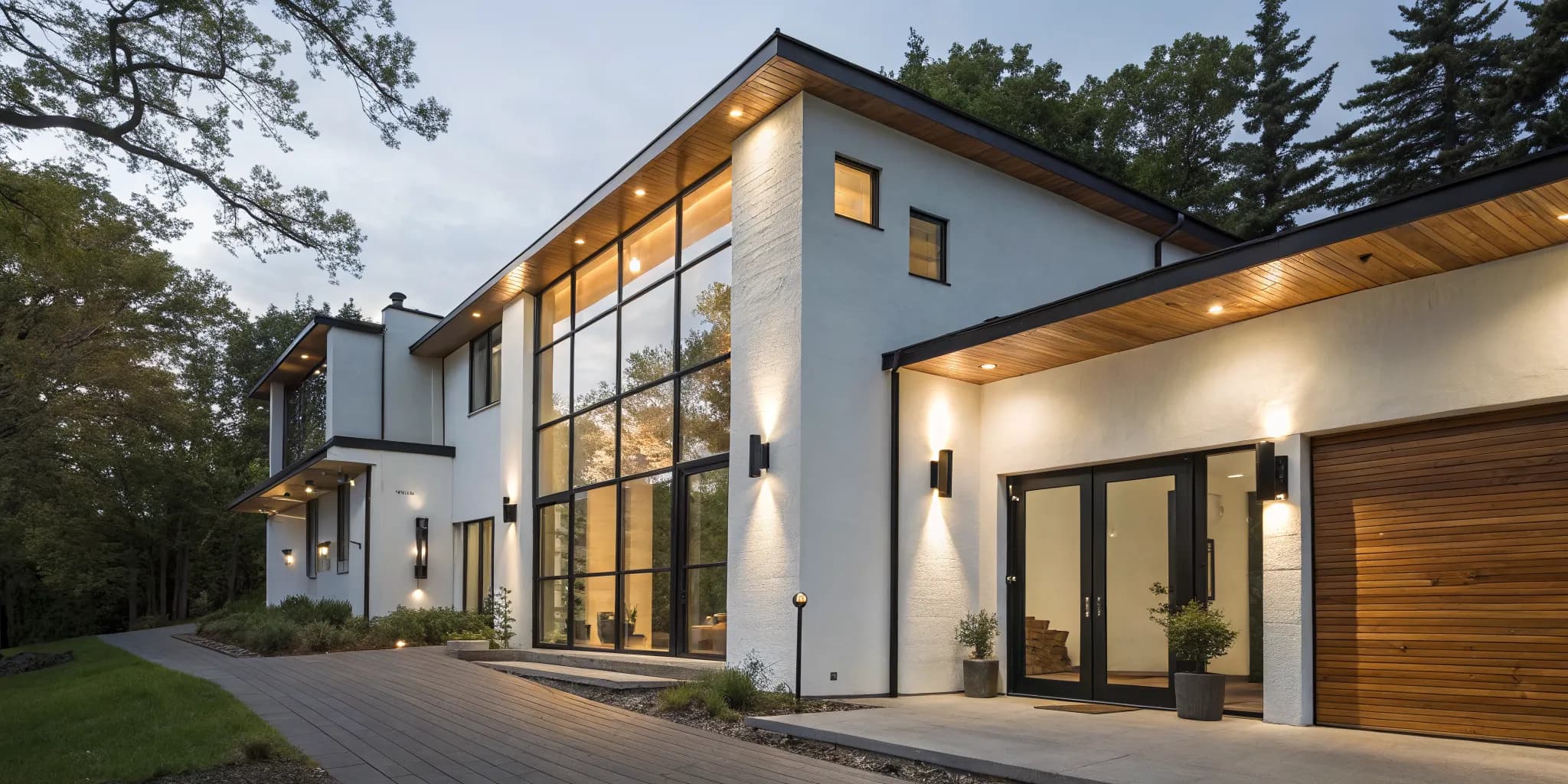
An outdoor light fixture has to be tough. It’s exposed to rain, humidity, sun, and snow, season after season. Choosing a fixture based on looks alone can lead to rust, corrosion, and failure in just a year or two, forcing you to do the job all over again. To make a smart investment, you need to prioritize durability just as much as style. Understanding materials and weather-resistance ratings is the secret to buying lights that last. This guide will teach you what to look for in high-quality outdoor light fixtures that can handle the elements and keep your home shining.
Key Takeaways
- Match the light to its job: Before you fall in love with a style, check the practical details. Ensure the fixture has the right brightness (lumens) for the area and the correct weather rating (wet-rated for exposed spots, damp-rated for covered porches) to guarantee it lasts.
- Create depth with layered lighting: Avoid using one harsh light source. Instead, combine three types of light for a professional look: use ambient lighting for a general glow, task lighting for functional areas like paths, and accent lighting to highlight your home's best features.
- Get the scale and color right: Choose fixtures that are proportional to your home; a good rule is for lights next to a door to be about one-quarter to one-third the door's height. For a cohesive and welcoming feel, stick to a single warm color temperature (around 2700K to 3000K) across all your outdoor lights.
What Are Outdoor Light Fixtures?
Outdoor light fixtures do more than just help you find your keys in the dark. Think of them as a crucial layer of your home’s design that works around the clock. By day, they add architectural detail. By night, they transform your space, improving curb appeal, increasing safety, and creating a welcoming atmosphere. The right lighting can highlight your home’s most charming features, from stone siding to a beautifully crafted front door, all while making your pathways safer to walk on.
The term “outdoor light fixture” is a broad one, covering a huge range of products. It includes the classic wall lantern by your garage, the sleek post light at the end of your driveway, and the subtle landscape lighting that makes your garden beds glow. Unlike indoor lights, these fixtures are specifically built to withstand the elements. They are designed to resist moisture, temperature swings, and UV exposure, ensuring they look and work great for years. Choosing the right ones is about balancing function and style to create an exterior you love coming home to.
Common Types of Outdoor Lights (And Where They Shine)
Once you start shopping for outdoor lighting, you’ll quickly realize just how many options are out there. It can feel a little overwhelming, but the best way to narrow it down is to think about function first and style second. What job does this light need to do? Are you trying to light up your front door so you can find your keys, create a cozy vibe on the patio, or make sure no one trips on the garden path?
Different types of fixtures are designed for specific jobs. A light that’s perfect for your porch ceiling probably won’t work for illuminating a long driveway. Understanding the common categories of outdoor lights will help you match the right fixture to the right location. This ensures your home is not only safer and more functional but also looks beautifully cohesive. Let’s walk through the main types of outdoor fixtures and talk about where they work best, so you can build a lighting plan that truly makes your home stand out.
Wall Lights
Outdoor wall lights are the true workhorses of exterior lighting. You’ll find a wide variety of styles available, making them one of the most common fixtures for any home. Mounted directly to an exterior wall, they are perfect for adding light to entryways, patios, and garages. Think of the classic pair of lights flanking a front door or a single fixture next to the back door leading to the yard. They serve a dual purpose: providing essential light for safety and visibility while also acting as a key decorative element that contributes to your home’s curb appeal. When placed correctly, wall lights can frame an entrance and welcome guests before they even step inside.
Post Lights
If you have a long walkway, a winding driveway, or a large garden, post lights are an excellent choice. These fixtures sit on top of posts, casting light over a wider area than a typical path light. They are fantastic for improving safety and visibility in open spaces, guiding visitors and preventing any trips or stumbles after dark. Beyond their practical function, post lights add a distinct decorative element to your landscape. They can create a stately, traditional look or a sleek, modern one depending on the style you choose. Placing them at key points along a path or at the entrance to your driveway adds a touch of elegance and structure to your outdoor design.
Pendant Lights
Think of pendant lights as jewelry for your porch. These fixtures hang down from the ceiling, creating a focal point and a warm, inviting atmosphere. Because they are more exposed, they are best suited for covered outdoor areas like porches, gazebos, or pergolas where they have some protection from the elements. An outdoor pendant is a versatile choice for creating a cozy, room-like feel. They work beautifully centered over an outdoor dining table or a comfortable seating area, casting a pleasant glow that’s perfect for evening conversations or enjoying a meal with friends. They make your outdoor living space feel like a true extension of your home.
Ceiling Lights
Outdoor ceiling lights are the practical solution for covered areas that need broad, general light. Unlike pendants that hang down, these fixtures are typically flush-mount or semi-flush-mount, meaning they sit close to the ceiling. This makes them ideal for porches and covered walkways with lower ceilings where a hanging light might get in the way or feel too crowded. They provide excellent overhead illumination for navigating your entryway or finding your way around a covered patio at night. While their primary role is functional, they come in countless styles to complement your home’s architecture, from simple and modern to ornate and traditional.
Landscape and Path Lights
Landscape and path lights are all about the details. These smaller, low-to-the-ground fixtures are essential for both safety and aesthetics. Their main job is to illuminate walkways and garden paths, casting light downward to help enhance safety and guide visitors. But they also play a huge role in highlighting the beauty of your yard after the sun goes down. You can use them to gently illuminate flower beds, showcase the texture of a stone wall, or cast a dramatic uplight on a feature tree. By strategically placing these lights, you can add depth, dimension, and a touch of magic to your garden.
What to Look For in an Outdoor Light Fixture
Once you have a general idea of the types of lights you need, it’s time to get into the details. Choosing the right fixture is about more than just style. You’ll want to consider brightness, energy use, durability, and special features to make sure your new lights are both beautiful and functional for years to come. Thinking through these factors now will save you from the headache of replacing a fixture that wasn't quite right for the job.
Brightness and Lumens
You’ve probably bought a lightbulb based on its watts, but when it comes to brightness, the number you really need to know is lumens. Lumens measure the actual amount of light a bulb produces. Too few lumens, and your front porch might feel more spooky than welcoming. Too many, and your backyard could feel like a stadium. As a general rule, pathways need around 100 lumens, while a front door or garage area might need 700 lumens or more for security. It's one of the most common outdoor lighting mistakes to just guess, so check the lumen output on the packaging before you buy.
Energy Efficiency: LED vs. Incandescent
When it comes to energy efficiency, LED bulbs are the clear winner. While old-school incandescent bulbs are cheap upfront, they use a lot more energy and burn out much faster. LEDs, on the other hand, use a fraction of the electricity and can last for tens of thousands of hours. This means you’ll save money on your energy bill and won't be climbing a ladder to change bulbs every year. Plus, opting for LED lighting gives you a wider range of color temperatures, from warm and cozy to cool and modern, so you can perfect your home's evening look.
Weather Resistance Ratings
It’s a common myth that outdoor lights just don't last long because they're exposed to rain, snow, and sun. The truth is, high-quality fixtures are built to withstand the elements, but you have to choose the right ones. Look for a fixture’s UL or ETL rating, which tells you where it can be safely installed. A "damp-rated" fixture can handle moisture but shouldn't be in direct contact with rain, making it good for a covered porch. A "wet-rated" fixture is what you need for exposed areas like walls or posts. Checking for proper weather resistance ratings ensures your investment is durable and safe.
Motion Sensors and Smart Lighting Options
Modern outdoor lighting can do more than just turn on and off. Fixtures with built-in motion sensors are great for security, lighting up when someone approaches your home. They’re also convenient for areas like the garage or a side door, so you’re never fumbling for keys in the dark. For even more control, look for smart lighting options. These fixtures connect to your Wi-Fi, allowing you to control them from your phone. You can set schedules, dim the lights for ambiance, and even change their color, giving you a way to completely customize your outdoor lighting experience with just a few taps.
Will Your Outdoor Lights Survive the Weather?
Outdoor light fixtures have a tough job. They face rain, snow, humidity, and sun day in and day out. Choosing a fixture that can handle your local climate is just as important as picking one that matches your home’s style. A beautiful light won’t do you much good if it rusts or shorts out after one season. To make sure your investment lasts, you need to pay close attention to weather-resistance ratings and materials before you buy. Let’s walk through what to look for.
Damp vs. Wet Location Ratings: What's the Difference?
You’ll see lights labeled with either a "damp" or "wet" location rating, and the difference is crucial. Damp-rated fixtures are designed for covered, protected areas. Think of a covered front porch or a screened-in patio. They can handle moisture and humidity but aren't built to withstand direct contact with rain or snow.
On the other hand, wet-rated lights are built to endure direct exposure to the elements. These are the fixtures you need for uncovered spaces, like wall lights next to your garage, post lights along your driveway, or landscape lighting in your garden beds. They are sealed to keep water out, protecting the internal wiring from damage.
Choosing Materials That Last
The material of your light fixture plays a huge role in its durability and appearance over time. Aluminum is a popular and affordable choice that resists rust, especially when it has a powder-coated finish. For a more premium and long-lasting option, consider brass or copper. These materials are incredibly durable and develop a beautiful, natural patina over time that many homeowners love. Stainless steel is another solid choice for a sleek, modern look that holds up well against corrosion. The right material often depends on your home's style and the specific lighting needs of your outdoor area.
A Note on Coastal and Salty Environments
If you live near the coast, the salty air adds another layer of challenge. Salt is extremely corrosive and can quickly destroy standard outdoor fixtures. In this case, you need to be extra selective. Look for fixtures specifically labeled as "Marine-Grade" or "coastal-rated." These are made from highly durable materials like solid brass, copper, or specially treated composites designed to withstand the harsh, salty environment. Investing in the right fixtures from the start will save you the headache and cost of replacing them down the road.
How to Choose the Right Style for Your Home
Picking the right style for your outdoor lights is about more than just finding something you like. The best fixtures feel like a natural extension of your home, blending in seamlessly while making a statement. When you get the style, scale, and color right, your lighting will look intentional and polished. Think of your lights as the finishing touch that ties your home’s entire exterior look together. To get there, focus on four key areas: your home’s architecture, the fixture’s size, the color of the light itself, and what you need the light to do.
Match Your Home's Architecture
Your outdoor lights should feel like they belong with your house. A sleek, minimalist fixture might look jarring on a rustic farmhouse, just as an ornate, traditional lantern could feel out of place on a modern home. Take a moment to look at your home’s defining features. Are the lines sharp and clean, or soft and curved? What materials are prominent, like brick, wood, or stucco? Your lighting fixtures should echo these elements. Different fixtures will serve different lighting needs and complement your home's unique character, ensuring the final look is cohesive and thoughtfully designed.
Get the Size Right
One of the most common mistakes homeowners make is to select lights that are undersized. From the street, a small fixture can get lost against the scale of your house, making it look insignificant. Don't assume the light the builder installed is the correct size; they are often chosen for budget, not for style. A good rule of thumb for lights flanking your front door is to choose fixtures that are about one-quarter to one-third the height of the door itself. For a single fixture above the door, aim for something about one-third the door's height. Going a little bigger than you think you need is almost always the right choice.
Stick to One Color Temperature
Have you ever seen a house lit with a mix of yellowish and bluish-white lights? It can be distracting. Mixing LED color temperatures creates a subtle but noticeable imbalance that makes your lighting scheme feel chaotic. Color temperature is measured in Kelvins (K), and for outdoor residential lighting, a warm white light between 2700K and 3000K is usually best. It gives off a welcoming, cozy glow that’s similar to traditional incandescent bulbs. Whatever temperature you choose, use it consistently across all your outdoor fixtures, from your wall lights to your path lights, for a harmonious and professional look.
Define Your Purpose: Security, Ambiance, or Function
Before you buy a single fixture, ask yourself: what is this light for? Your answer will guide your choices. Some lights are for security, like bright, motion-activated floodlights over the garage. Others create ambiance, like soft uplighting on a beautiful tree or string lights over a patio. And some are purely functional, like path lights that guide guests to your door. Good landscape lighting improves your home's appearance and provides a better overall sense of security. By defining the purpose for each area, you can choose the right type of light for the job and build a layered, effective lighting plan.
How to Layer Your Outdoor Lighting
Creating a beautiful and functional outdoor space isn't about flooding it with a single, harsh light. Just like with interior design, the best approach is to layer your lighting. This means using a combination of different light sources to build depth, create ambiance, and ensure every part of your yard is usable after the sun goes down. A well-layered lighting plan makes your home look polished and inviting while also improving safety and security.
Thinking in layers helps you move beyond basic utility and start designing an experience. By combining three types of lighting (ambient, task, and accent), you can craft a cohesive and dynamic outdoor environment. The base layer provides general illumination, the second layer adds focused light for specific activities, and the final layer introduces drama and highlights the best features of your home and landscape. Each layer serves a distinct purpose, and together they create a balanced and professional-looking result.
Ambient Lighting
Think of ambient lighting as the foundation of your outdoor lighting scheme. It provides the general, overall illumination that makes your yard feel safe and welcoming. This is the soft glow that fills the space, allowing you and your guests to move around comfortably without tripping in the dark. Without enough ambient light, your front or back yard can feel uninviting or even a little intimidating. The goal is to create a base level of visibility that sets a comfortable mood.
Fixtures like wall lights on either side of a garage, post lights along a driveway, or a flush-mount ceiling light on a covered porch are perfect for providing ambient light. These sources cast a wide, gentle wash of light that reduces harsh shadows and creates a pleasant atmosphere for relaxing or entertaining.
Task Lighting
Once you have your ambient light set, it’s time to add task lighting. This layer is all about function. It provides focused, direct light for specific activities you perform outdoors. Think about the areas where you need to see clearly, like the path from your car to the front door, the counter space in your outdoor kitchen, or the lock on your back gate. Different lighting fixtures are designed to serve these different needs.
For example, path lights are a classic form of task lighting, guiding footsteps safely along a walkway. A spotlight mounted over your grill makes it easy to see if your burgers are cooked through, and a bright downlight by your door helps you find your keys without fumbling. Task lighting is practical, targeted, and essential for making your outdoor spaces truly usable.
Accent Lighting
Accent lighting is the final, most creative layer. This is where you get to play with light to add drama, dimension, and personality to your home’s exterior. Accent lights are used to draw attention to specific architectural details, landscape features, or decorative elements. This layer is what gives your home that "wow" factor and major curb appeal after dark. It’s all about highlighting the beauty that’s already there.
You can use uplights to showcase a majestic tree, graze a textured stone wall with light to emphasize its surface, or spotlight a column or gable. One of the most common outdoor lighting mistakes is to stop the light at the first roofline; instead, carry it upward to illuminate the full height of your home. For the most professional look, the light source itself should be hidden, letting the beautiful effect take center stage.
Common Outdoor Lighting Mistakes to Avoid
Getting your outdoor lighting right can completely transform your home's curb appeal. But a few common slip-ups can leave your exterior looking less than stellar. Just as you want your personal or business website to make a great first impression, your home's exterior sets the tone for everything inside. The good news is that these mistakes are easy to sidestep once you know what to look for. From picking the wrong size to forgetting about upkeep, let's walk through the most frequent errors so you can create a lighting scheme you love. Thinking through these details ahead of time will save you from headaches later and ensure your home shines for all the right reasons. After all your hard work, you deserve an exterior that looks cohesive, welcoming, and beautifully illuminated.
Choosing Fixtures That Are Too Small
One of the most common mistakes homeowners make is to select lights that are undersized for their home's scale. It’s an easy trap to fall into, especially if you’re just replacing the basic fixtures the builder installed. A tiny lantern next to a grand entryway or on a large, empty wall can look awkward and disproportionate, almost like an afterthought. When in doubt, it’s usually better to go slightly larger than you think you need. A good rule of thumb for a single front door fixture is to choose one that is about one-third the height of the door. For pairs of lights, aim for one-quarter of the door's height.
Mixing Color Temperatures
Have you ever noticed outdoor lighting that just feels… off? The culprit is often mixed color temperatures. Combining warm, yellow-toned lights with cool, blue-toned ones creates a jarring and unbalanced look. According to experts, one of the biggest mistakes you can make is mixing LED color temperatures, as it disrupts the visual harmony of your home's exterior. To avoid this, stick to one color temperature for all your outdoor fixtures. Check the packaging for the Kelvin (K) rating. A warm, inviting glow is typically between 2700K and 3000K, which is a great choice for most homes.
Poor Placement and Angles
The perfect fixture can fall flat if it’s not installed in the right spot. A frequent error is placing lights too far from the house, which can wash out the facade and create unsightly shadows. Another common issue is aiming uplights in a way that they stop abruptly at the first roofline, cutting the house in half visually. Before you commit to a permanent installation, test the placement at night. Use a powerful flashlight to mimic the fixture’s beam and see how the light interacts with your home’s architectural features. This simple step helps you find the most flattering angles.
Overlighting or Underlighting Your Space
Finding the right balance of brightness is key. Too little light can make your space look uninviting or even feel unsafe, leaving important areas like pathways and stairs in the dark. On the other hand, overlighting is just as problematic. Blasting your home with excessively bright lights can create harsh glare, annoy your neighbors, and make your front yard feel more like an airport runway than a welcoming entrance. Think about the purpose of each light. Use brighter lights for security and task areas, and softer, ambient light for creating a relaxed atmosphere.
Ignoring Maintenance Requirements
Outdoor light fixtures are built to be tough, but they aren’t completely maintenance-free. A common oversight is simply ignoring maintenance until a bulb burns out or a fixture stops working. Over time, dirt and pollen can coat the glass, dimming the light output. Insects and spiders can also build nests inside, which can be a fire hazard. Make it a habit to clean your fixtures once or twice a year. Wipe down the lenses, clear out any debris, and check for signs of wear or damage. A little upkeep ensures your lights stay bright and functional for years to come.
Outdoor Light Fixture Brands to Know
When you start shopping, you’ll notice a few names pop up repeatedly. Getting familiar with the top brands can help you narrow down your search and find quality fixtures that last. While there are many great companies out there, here are three well-regarded brands to get you started.
Kichler
Kichler is a go-to brand for outdoor lighting that perfectly marries style with durability. They are known for creating fixtures that make your outdoor spaces feel like a true extension of your home’s interior design. If you value high-quality materials and a flawless finish, Kichler is a name you can trust. Their products are designed to not only look beautiful on day one but to withstand the elements for years to come. Browsing the Kichler outdoor collection is a great way to see how sophisticated design can enhance your home’s exterior, from welcoming front porch lights to elegant patio fixtures.
Hinkley
Hinkley is another major player in the lighting world, with a strong reputation for quality craftsmanship and forward-thinking design. They consistently produce fixtures that feel both timeless and modern, making them a versatile choice for a wide range of architectural styles. Hinkley places a heavy emphasis on performance, ensuring their outdoor lights are built to last. While they offer beautiful designs, their commitment to using durable materials means you’re making a solid investment. Exploring Hinkley’s outdoor lighting options will show you a catalog of fixtures that are as reliable as they are stylish, giving you peace of mind season after season.
Urban Ambiance
If you love having plenty of choices, you’ll appreciate Urban Ambiance. This brand stands out for its incredibly broad range of styles, designed to suit almost any home exterior. Whether you’re looking for a Modern Farmhouse lantern, an Industrial-style wall sconce, or a classic Colonial post light, they likely have something that fits your vision. With over 30 distinct collections, Urban Ambiance makes it easy to find a cohesive look across different types of fixtures, like wall, post, and pendant lights. Their collection of outdoor lights and lanterns is perfect for homeowners who have a specific aesthetic in mind and want to see a variety of options that match it.
How to Find Deals on Outdoor Light Fixtures
Upgrading your home's exterior lighting doesn't have to drain your wallet. With a little savvy shopping, you can find beautiful, high-quality fixtures that make your home shine without the high price tag. It’s all about knowing where to look. Here are a few effective ways to score great deals on the perfect outdoor lights for your space.
Start by keeping an eye out for seasonal sales. Many online lighting stores run promotions around holidays or at the change of seasons, making it a great time to buy. It's also smart to go straight to the source: the clearance section. This is where you can find last season's styles or overstocked items for a fraction of the price. Websites like 1800Lighting often have clearance and closeout sales where you can find some real gems for up to 70% off. It takes a bit of digging, but the savings are worth it.
Your local home improvement store is another fantastic resource. Retailers like Home Depot and Lowe's carry a huge selection of fixtures and frequently have their own promotions. Because you can see the products in person, it’s a great way to get a feel for the size and quality before you commit. You can browse the Home Depot outdoor lighting selection online to get an idea of what’s available before you head to the store. Finally, look for retailers that specialize in discounted fixtures year-round. These stores focus on offering stylish lighting without the designer markup, helping you get a high-end look for less.
Frequently Asked Questions
I'm overwhelmed by all the options. Where should I even start with choosing outdoor lights? The best way to begin is to walk around your property and think about function first. Forget about style for a moment and ask yourself what you need the light to do in each specific area. Do you need to safely light a dark pathway? Create a welcoming glow at the front door? Or highlight a beautiful tree in your yard? Once you define the job for each spot, you can choose the right type of fixture, like a path light or a wall light, which narrows your search considerably.
How do I figure out how bright my lights need to be? Instead of thinking in watts, focus on lumens, which measure actual brightness. The right amount depends entirely on the location and purpose. For instance, a walkway or garden path only needs about 100 lumens for safe navigation. For a key area like your front door or over the garage where security is a factor, you’ll want something much brighter, probably around 700 lumens or more. The goal isn't to light up your entire yard like a sports field but to provide the right amount of light exactly where it's needed.
My porch is covered, but wind can blow rain onto it. Do I need a damp-rated or wet-rated light? This is a great question, and it's always better to be safe. If there is any chance that rain or snow can directly hit the fixture, you absolutely need a wet-rated light. Damp-rated fixtures are only meant for covered areas that are fully protected from precipitation, like a porch ceiling that never gets wet. Since your spot gets some exposure, a wet-rated fixture will ensure the internal wiring stays protected and the light functions safely for years.
Is it really a big deal if my front door lights are a little small? Yes, it can make a surprisingly big difference in your home's curb appeal. Fixtures that are too small for the scale of your house tend to look insignificant and can cheapen the overall appearance from the street. They get lost against a large wall or a grand entryway. A good guideline is to choose lights that are about one-quarter to one-third the height of your front door. Going a little larger than you might initially think almost always results in a more balanced, intentional, and high-end look.
What's the most common mistake people make with their lighting placement? A frequent error is not thinking about how the light will actually look and feel at night. People often install fixtures without testing the angles, which can result in harsh glare in your eyes as you walk up to the door or create strange, unflattering shadows on the house. Another common slip-up is aiming uplights so they stop at the first roofline, which visually cuts the house in half. Always test placement with a flashlight at night before you permanently install anything.