
2026-08-12
How to Choose the Best Outdoor Flood Lights
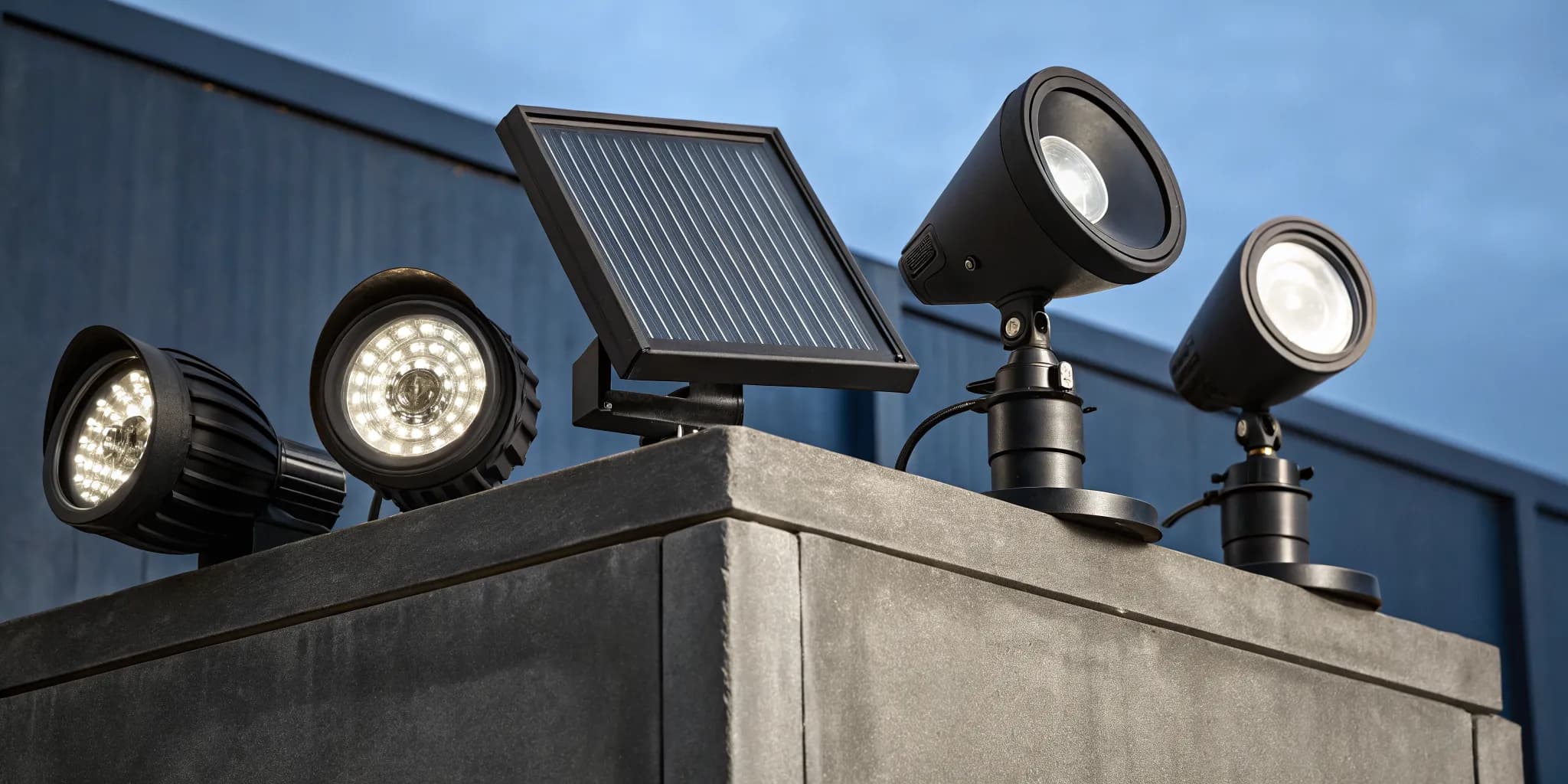
Much of what people think they know about outdoor lighting is based on outdated technology. You might have heard that LED lights aren't bright enough for a big yard, or that solar-powered options won't work well in colder climates. These old myths can keep you from finding the best solution for your home. The truth is, today’s outdoor flood lights are more powerful, efficient, and durable than ever before. We're going to set the record straight, debunking common misconceptions and giving you the current facts. This guide will help you understand what modern lighting can really do, ensuring you choose a product based on performance, not fiction.
Key Takeaways
- Start with Your Purpose: First, know if you need broad security lighting or focused accent lighting. This single decision simplifies all your other choices, from the light's brightness to its beam angle, ensuring you buy the right tool for the job.
- Choose the Right Technology: Select LEDs for the best mix of energy efficiency and a long lifespan. Opt for solar-powered lights for areas far from an outlet, and use motion-activated models for a combination of security, convenience, and energy savings.
- Focus on Specs for Long-Term Value: A low price is not always a good deal. Prioritize a weather-resistance rating of at least IP65 to handle the elements and look for a long rated lifespan (like 50,000 hours) to make sure your investment lasts for years.
What Is an Outdoor Flood Light?
Think of an outdoor flood light as a powerhouse of illumination. These are high-intensity lights designed to cast a wide, even beam over a large space. Unlike a lamp that creates a small pool of light, a flood light’s job is to drench an entire area, like your backyard or driveway, in brightness. They are a go-to choice for both general-purpose lighting and security. But to really get the most out of them, it’s important to know how they differ from other lights and where they shine the brightest.
Flood Lights vs. Spotlights: What's the Difference?
It’s easy to get flood lights and spotlights mixed up, but they serve very different purposes. The main difference comes down to the beam angle. A flood light casts a wide beam, typically up to 120 degrees, to illuminate a large area. This makes them perfect for lighting up a whole driveway, a patio, or a wide section of your yard for general visibility and security.
A spotlight, on the other hand, has a much narrower, more concentrated beam, usually 45 degrees or less. Think of it as a focused beam of light meant to highlight a specific feature. While flood lights provide broad security coverage, spotlights are what you’d use to draw attention to a beautiful tree, a flag, or an interesting architectural detail on your home.
Common Places to Use Flood Lights
You’ll find flood lights in a huge variety of settings, from residential backyards to massive commercial properties. At home, they’re commonly used to light up driveways, patios, decks, and backyards, making these spaces more usable at night and deterring potential intruders. They add a significant layer of safety for navigating your property after dark.
Commercially, their use is even more widespread. Businesses rely on them to keep their operations safe and efficient in areas like parking lots, loading docks, and warehouse yards. You’ll also see them used for large-scale applications, such as illuminating outdoor sports venues like football fields and tennis courts, allowing games and events to continue long after the sun has set.
A Guide to Flood Light Types
Once you start shopping for flood lights, you'll quickly notice there are a few main categories to choose from. Picking the right one is all about knowing what you need it to do. Do you want to save on your energy bill, light up a dark corner of your yard without running wires, or get an alert when someone’s on your property? Let's walk through the most common options to help you find the perfect match for your home.
LED Flood Lights
You’ll find that most flood lights on the market today are LED (Light Emitting Diode), and for good reason. These are the champions of energy efficiency, using significantly less power than old-school halogen bulbs. This means lower electricity bills for you. Plus, their lifespan is incredibly long, often lasting 50,000 hours or more. That’s years of use before you even have to think about a replacement. These types of floodlights have become the standard because they are reliable, cost-effective, and come in a wide variety of brightness levels and even colors.
Solar-Powered Flood Lights
If you have a spot that needs light but is far from a power outlet, solar-powered flood lights are a fantastic solution. They are completely self-sufficient, using a small solar panel to charge an internal battery during the day and then automatically turning on at night. This makes them perfect for sheds, fences, or the end of a long driveway. Not only are they great for the environment, but they also won't add a single cent to your energy bill. Installation is usually a breeze since you don't have to worry about any wiring.
Motion-Activated Flood Lights
Motion-activated flood lights are a top choice for home security. They use a built-in sensor that detects movement, instantly casting a bright light on the area. This can be enough to startle and deter any potential intruders, whether they're human or just a curious raccoon. Beyond security, they are also incredibly practical and efficient. The light only turns on when needed, saving energy and lighting your way when you’re carrying in groceries after dark. Many LED and solar models come with this feature built-in.
Smart Flood Lights
For those who love connected tech, smart flood lights offer a whole new level of control. You can manage these lights directly from your smartphone or with voice commands, allowing you to turn them on or off, set schedules, and even change the brightness or color from anywhere. Some smart home enthusiasts even create their own custom setups. A popular trick is to connect an ultra-bright, standard LED flood light to a HomeKit-compatible smart switch, giving you maximum brightness with all the convenience of smart controls.
Key Features to Look For When Choosing a Flood Light
Shopping for a flood light can feel a little technical, but it gets much easier once you know what to look for. Beyond the price tag, a few key features determine how well a light will perform for your specific needs. Whether you want to brighten up a dark driveway for security or create a cozy glow on your patio, paying attention to these details will help you find the perfect match. Let's walk through the most important features to consider so you can choose with confidence.
Brightness and Lumens
The first thing to check is the brightness, which is measured in lumens. Think of lumens as a direct measure of how much light a bulb produces; the higher the number, the brighter the light. For general outdoor flood lights, you’ll want something in the 700 to 1,300 lumen range. This is bright enough to illuminate large areas like a backyard or driveway. If you’re looking for a motion-activated light, you can go a bit lower, as understanding how many lumens you need for these is typically between 300 and 700. This provides a sudden, noticeable light without being completely blinding.
Color Temperature
Next up is color temperature, which determines the color of the light, from a warm, yellowish glow to a cool, bluish-white. It’s measured in Kelvin (K). For a bright, crisp white light that’s similar to daylight, look for a temperature around 5000K. This is an excellent choice for security lighting, as it reveals true colors and keeps your property highly visible. If you’re aiming for a cozier, more inviting atmosphere for a patio or garden, a warmer light between 3000K and 4000K is ideal. When choosing your LED flood lights, think about the mood you want to set.
Weather Resistance (IP Ratings)
Since these lights live outdoors, they need to be tough enough to handle the elements. This is where IP ratings come in. An IP (Ingress Protection) rating tells you how well a fixture is protected against solids (like dust) and liquids (like rain). For outdoor flood lights, you should look for a rating of at least IP65. The “6” means it’s completely sealed against dust, and the “5” means it can withstand jets of water from any direction. This ensures your light will keep working through rain, snow, and sprinklers, making it one of the best flood lights for durability.
Beam Angle and Coverage Area
The beam angle tells you how wide the light spreads. A wider angle covers more ground. Most flood lights have a beam angle of around 120 degrees, which is perfect for casting a broad wash of light over a large area. This is what makes them different from spotlights, which have a much narrower beam for highlighting specific features. A 120-degree angle is great for driveways, yards, and the side of your house. When you’re looking at different high output outdoor lights, consider the size of the space you need to illuminate to ensure you get enough coverage.
Energy Use and Lifespan
You want a light that’s powerful but also efficient. LED flood lights are the standard for a reason: they use significantly less energy than old halogen bulbs, which saves you money on your electricity bill. They also have an incredibly long lifespan. Many waterproof LED flood lights are rated for 50,000 hours or more. That’s over five years of continuous use, so you won’t have to worry about climbing a ladder to replace bulbs anytime soon. Investing in an energy-efficient model with a long lifespan means less maintenance and more savings over time.
Smart Features and Controls
If you love convenience, smart flood lights are a fantastic option. These lights connect to your Wi-Fi, allowing you to control them from your phone. You can turn them on or off, set schedules, and even change the brightness or color from anywhere. However, you don’t need a fully integrated smart light to get these benefits. A popular and often more flexible approach is to buy a standard, high-quality LED flood light and connect it to a separate smart switch or plug. This gives you smart control over any light and is a great tip for finding the best outdoor flood light for your setup.
Comparing Flood Lights: Performance and Cost
Choosing the right flood light often comes down to a classic balancing act: price versus performance. It’s easy to get swayed by a low price tag, but the cheapest option isn’t always the most cost-effective in the long run. You also need to think about how a light will hold up in your specific climate and what job you need it to do. Let's break down how to weigh these factors so you can find a flood light that works for your budget and your backyard.
Upfront Cost vs. Long-Term Value
It’s true that some flood lights, particularly LED models, can have a higher initial price. But it’s helpful to think of this as an investment. LED floodlights are popular because they save a lot of energy and can last for 50,000 hours or more. This means you’ll spend less on your electricity bill and won’t have to climb a ladder to replace bulbs nearly as often. While a cheaper halogen bulb might save you money today, the long-term costs of energy and frequent replacements can add up quickly. When you see a higher price, check the lumen output and lifespan; you’re often paying for better, longer-lasting performance.
How They Perform in Different Weather
Outdoor fixtures have a tough job, so you need one that’s built to last. It’s essential to make sure your flood lights are securely mounted and properly weatherproofed. If your home gets a lot of rain, selecting a water-resistant flood light is non-negotiable to prevent damage and electrical issues. One surprising benefit of LEDs is that they actually become more efficient as the temperature drops, making them a fantastic choice for cold climates. No matter what the weather throws at you, a well-made, weather-resistant light will give you reliable illumination and peace of mind.
Which Type Is Right for Your Space?
Before you buy, think about what you want to accomplish. Are you lighting up a large driveway for safety or highlighting a beautiful tree in your garden? Flood lights are designed for broad security coverage, casting a wide beam over a large area. Spotlights, on the other hand, are for accenting specific features. For general use, LED floodlights are a great all-around choice. If security is your main goal, a motion-activated model is ideal. And if you want an eco-friendly option or don’t have a convenient power outlet, solar-powered lights are an excellent solution. Matching the light type to your space ensures you get the right effect.
Top Flood Light Brands to Know
When you start shopping for flood lights, you'll notice a few brand names pop up again and again. Getting familiar with the major players can help you narrow down your search and find a quality product that fits your needs. Each brand has its own specialty, whether it's heavy-duty commercial lighting, smart home integration, or all-in-one security solutions. Let's look at some of the top brands you're likely to encounter.
Hyperlite
If you need serious, powerful lighting, Hyperlite is a brand to put on your list. They specialize in strong LED flood lights designed for outdoor use, making them a great choice for securing a large property or business. Their lights are built to be durable and provide high-output illumination for your yard, driveway, or the side of a building. Think of them as a go-to for dependable, no-fuss lighting that gets the job done. While they might not have all the smart features of other brands, their focus on performance and strength is clear.
Ring
You probably know Ring for their video doorbells, and their flood lights follow the same security-first approach. Many of Ring's most popular products are actually security cameras that have powerful flood lights built right in. This two-in-one design is perfect for anyone who wants to keep an eye on their property while also lighting up dark corners. With a Ring Floodlight Cam, you get motion-activated lights, a camera, a siren, and two-way audio, all in one device. It’s an excellent solution for homeowners who want a comprehensive and connected security system.
LEPOWER
LEPOWER is a solid choice if you're looking for reliable and energy-efficient outdoor lighting. Their flood lights are known for being durable and are often designed with practical features like adjustable heads, which let you direct the light exactly where you need it. Many of their models also include motion detection, adding a layer of security and helping you save on energy by only turning on when there's activity. LEPOWER offers a great balance of performance and value, making them a popular option for everyday home use.
SANSI
SANSI stands out for its focus on innovative LED technology. The company is known for producing high-quality, long-lasting flood lights that are incredibly energy-efficient. This is thanks to their unique ceramic heat dissipation technology, which helps the LEDs last longer and perform better over time. Whether you need to light up a garden, a garage, or a patio, SANSI's lights are designed to provide bright, consistent illumination for years. They are a fantastic choice if your main priorities are longevity and low energy consumption.
Philips Hue
For those who love a connected home, Philips Hue is a top contender in the smart lighting space. Their flood lights are praised for being impressively bright and integrating seamlessly into the broader Hue ecosystem. You can control the lights with your phone, set schedules, and even change colors on some models. These lights can be triggered by a Hue outdoor motion sensor or connected to other smart home devices, like outdoor cameras, for a fully automated experience. If you want total control and smart features, Philips Hue is definitely the way to go.
Our Top Flood Light Picks for Every Need
With so many options out there, it can be tough to figure out which flood light is the right one for you. I've sorted through the choices to find great picks for some of the most common needs, from securing your front porch to lighting up your entire backyard.
For Home Security
If your main goal is peace of mind, you’ll want a light that does more than just turn on. Many of the most popular flood lights today are actually combination security cameras. These devices let you keep an eye on your property and light up any dark corners when motion is detected. It’s a two-in-one solution that provides both visibility and a sense of security. You can see what people are buying by checking out the current best sellers in flood lights, which are often dominated by these smart security models.
For Large Outdoor Spaces
When you need to illuminate a big area like a long driveway, a large backyard, or a sports court, a standard light just won't cut it. This is where traditional flood lights truly shine. They are specifically designed to cast a broad beam of light that provides wide, even coverage across a large space. Instead of a focused, narrow spotlight, a flood light ensures the entire area is well-lit, which is perfect for both safety and recreation after the sun goes down.
The Best Solar-Powered Option
For areas where running electrical wiring is a hassle or impossible, solar-powered flood lights are a fantastic solution. They are environmentally friendly and incredibly convenient. These lights use a built-in solar panel to charge during the day and automatically turn on at night. This makes them ideal for sheds, fences, or remote corners of your yard that don't have easy access to a power outlet. You get bright light exactly where you need it, without having to worry about wiring or your electricity bill.
For Smart Home Integration
If you love customizing your smart home, you can create a powerful, flexible setup. Many tech enthusiasts suggest a DIY approach for the best results. Start with a very bright, standard LED flood light. Then, connect it to a smart switch that’s compatible with your ecosystem, like HomeKit or Google Home. By adding a separate outdoor motion sensor, you can create custom rules for when the light turns on and off. This community-approved method gives you complete control over your outdoor lighting.
The Best Budget-Friendly Pick
Being budget-friendly isn't just about the lowest upfront cost; it's also about long-term value. In this category, LED flood lights are the clear winner. While they might sometimes cost a little more initially, their energy efficiency saves you money on your power bill every month. Plus, they have an incredibly long lifespan, with many models lasting 50,000 hours or more. This means you won't be replacing bulbs for years, making different types of floodlights like LEDs a smart, cost-effective investment for any home.
Debunking Common Flood Light Myths
When you're shopping for something new, it's easy to get tripped up by outdated advice or common misunderstandings. Flood lights are no exception. You might have heard things from a neighbor or read a comment online that gives you pause, and suddenly, a simple purchase feels complicated. These myths can do more than just cause confusion; they can lead you to buy the wrong product or avoid a great solution that would have been perfect for your space. Before you spend your money, it’s worth taking a moment to sort through the noise. A lot of what people believe about outdoor lighting is based on older technology that just doesn't apply anymore. Getting the right lights for your home shouldn't be a guessing game. Let's clear the air and tackle some of the most persistent myths out there so you can make your choice with confidence. We'll look at common questions about brightness, performance in cold weather, and the real purpose of motion sensors. Think of this as your fact-checking guide. By separating fact from fiction, you can find a lighting solution that truly works for your home and your needs, without letting old rumors steer you wrong.
Myth: "LEDs aren't bright enough."
This is probably the most common myth, and it comes from a place of truth, just an outdated one. Early LED technology wasn't nearly as powerful as what we have now. If you remember those first-generation LEDs, you might think they're too dim for a big outdoor space. But today's LED flood lights are a completely different story. Modern designs deliver a seriously high lumen output, making them more than capable of illuminating your driveway, backyard, or patio. You won't have to sacrifice brightness to get the energy efficiency of an LED.
Myth: "Solar lights won't work in the cold."
It seems logical, right? Winter means less sun and colder temperatures, so a solar-powered light would struggle. While it's true that shorter days mean less charging time, the cold itself isn't the enemy. In fact, LEDs perform better in chilly weather. The electronic components inside them actually become more efficient as the temperature drops, making them ideal for cold-climate applications. So, as long as your solar panel can get a few hours of daylight, your solar flood light will keep shining, even on the frostiest nights.
Myth: "Motion sensors are only for security."
While a sudden blast of light is a great way to deter unwanted visitors, thinking of motion sensors as only a security feature is selling them short. Their primary job is to activate the light when they detect movement, which is an incredibly practical and energy-efficient feature. Instead of running all night, the light only turns on when you're taking out the trash, letting the dog out, or grabbing something from your car. This saves on electricity costs and provides convenient, hands-free lighting exactly when you need it, for any reason at all.
How to Find a Great Deal on Outdoor Flood Lights
Finding the right flood light is one thing, but getting it at a great price feels like a real win. While it’s tempting to just grab the cheapest option you see, a little bit of strategy can save you money without sacrificing quality. The key is knowing where to shop, when to buy, and how to recognize a deal that’s genuinely good. With a smart approach, you can illuminate your space beautifully and stick to your budget.
Where to Shop for the Best Prices
Your first thought might be big-box stores or Amazon, and they are definitely good places to start your search. However, don't overlook specialty lighting retailers online. The best deals often come from businesses that provide clear, detailed information about their products. When a company invests in high-quality content that explains a light's features and benefits, it shows they stand behind their products. This helps you compare options effectively and make a purchase you won't regret. Look for websites with comprehensive product descriptions, customer photos, and easy-to-understand specifications. A well-informed purchase is always a better deal in the long run.
Timing Your Purchase with Seasonal Sales
Patience can pay off when you're shopping for outdoor lights. Retailers often run sales around major holidays like Memorial Day, the Fourth of July, and Labor Day, when people are focused on home and outdoor projects. Black Friday and Cyber Monday are also prime times to find deep discounts. Another smart move is to look for end-of-season clearances in the fall. Many businesses plan their marketing around seasonal promotions, so signing up for email newsletters from your favorite brands is a great way to get a heads-up on upcoming sales before anyone else.
How to Tell if a Deal Is Actually Good
A flashy "50% Off!" sticker can be tempting, but it doesn't automatically mean you're getting a good deal. Before you buy, do a quick price check on other websites to see if the "sale" price is truly competitive. Beyond the price, look at the product's value. Does it have the brightness, weather resistance, and features you need? Check customer reviews for insights on long-term performance. Just as businesses make adjustments based on performance data, you should use information to guide your purchase. A great deal is a quality product that fits your needs at a fair price, not just the lowest number on the tag. Making small adjustments to your shopping strategy by comparing features and prices will lead to a much better outcome.
Choose the Right Flood Light with Confidence
Choosing the right flood light is all about matching the light to the job. Before you get lost in the technical specs, take a moment to think about your primary goal. Are you lighting up a dark driveway for safety, illuminating a backyard for evening get-togethers, or highlighting architectural features on your home? Flood lights are designed to cast a wide beam, giving you broad, even coverage that’s perfect for large areas. Your specific purpose will guide every other decision you make.
Once you know your goal, you can think about brightness, which is measured in lumens. While it’s tempting to go for the brightest option, more lumens aren’t always better. A light that’s too powerful can create harsh glare and annoy your neighbors. As lighting experts suggest, you should consider the mounting height and the surrounding area. A light mounted high up will need to be brighter to effectively illuminate the ground below. For most residential driveways and yards, a range of 700 to 1,500 lumens per fixture is a great starting point.
It’s also smart to consider your light’s impact on the environment. Bright, cool-toned lights can be disruptive to nocturnal wildlife and even interfere with human sleep patterns. Opting for a warmer color temperature can create a more pleasant ambiance while being friendlier to your local ecosystem. Finally, look for signs of quality and durability. Reputable LED flood lights are often certified for safety (look for UL or ETL marks) and rated for weather resistance. An IP65 rating, for example, means the fixture is protected against dust and jets of water, ensuring it will hold up through rainy seasons and function reliably for years.
Related Articles
- Types of Floodlights: Illuminating Your Space Efficiently
- Flood Lights vs. Spotlights
- Best Outdoor Flood Lights
- How Many Lumens Needed for Outdoor Lighting
- LED Security Motion Sensor Outdoor Light
Frequently Asked Questions
How bright does my outdoor flood light really need to be? For most homes, a flood light between 700 and 1,300 lumens is a great starting point. This is bright enough to comfortably light up a typical driveway or backyard without creating an unpleasant glare. If you're choosing a motion-activated light for security, you can often use a slightly lower brightness, around 300 to 700 lumens, as the sudden burst of light is what grabs attention.
What's the difference between a warm and a cool light, and which one is better? Think of color temperature as the mood of the light. A "warm" light, around 3000K, has a yellowish, cozy glow similar to a classic incandescent bulb, which is perfect for patios or social areas. A "cool" light, around 5000K, is a crisp, bluish-white that mimics daylight. This color is excellent for security lighting because it reveals true colors and makes everything highly visible.
Can I use a solar-powered flood light if I live somewhere cold or cloudy? Yes, you absolutely can. While it's true that solar lights need daylight to charge, modern panels are quite efficient and can still gather power on overcast days. More importantly, the cold itself is not a problem. LED lights, which are used in most solar fixtures, actually perform better and more efficiently in colder temperatures, making them a reliable choice for winter use.
Do I have to buy a special "smart flood light" to control it with my phone? Not at all. While integrated smart lights are convenient, you can get the same result with more flexibility by creating your own setup. A popular method is to buy a standard, high-quality LED flood light and connect it to a separate outdoor-rated smart switch or smart plug. This allows you to control any light you want with your phone or smart home system.
What is an IP rating and why should I care about it? An IP rating tells you how well a light is protected from the elements, specifically dust and water. For an outdoor flood light, you should look for a rating of at least IP65. The first number, "6," means it's completely sealed against dust. The second number, "5," means it can handle direct jets of water, like rain or sprinklers, from any direction. This rating ensures your light will last for years without being damaged by weather.