
2026-09-14
Lighting Project Management Services: What to Expect
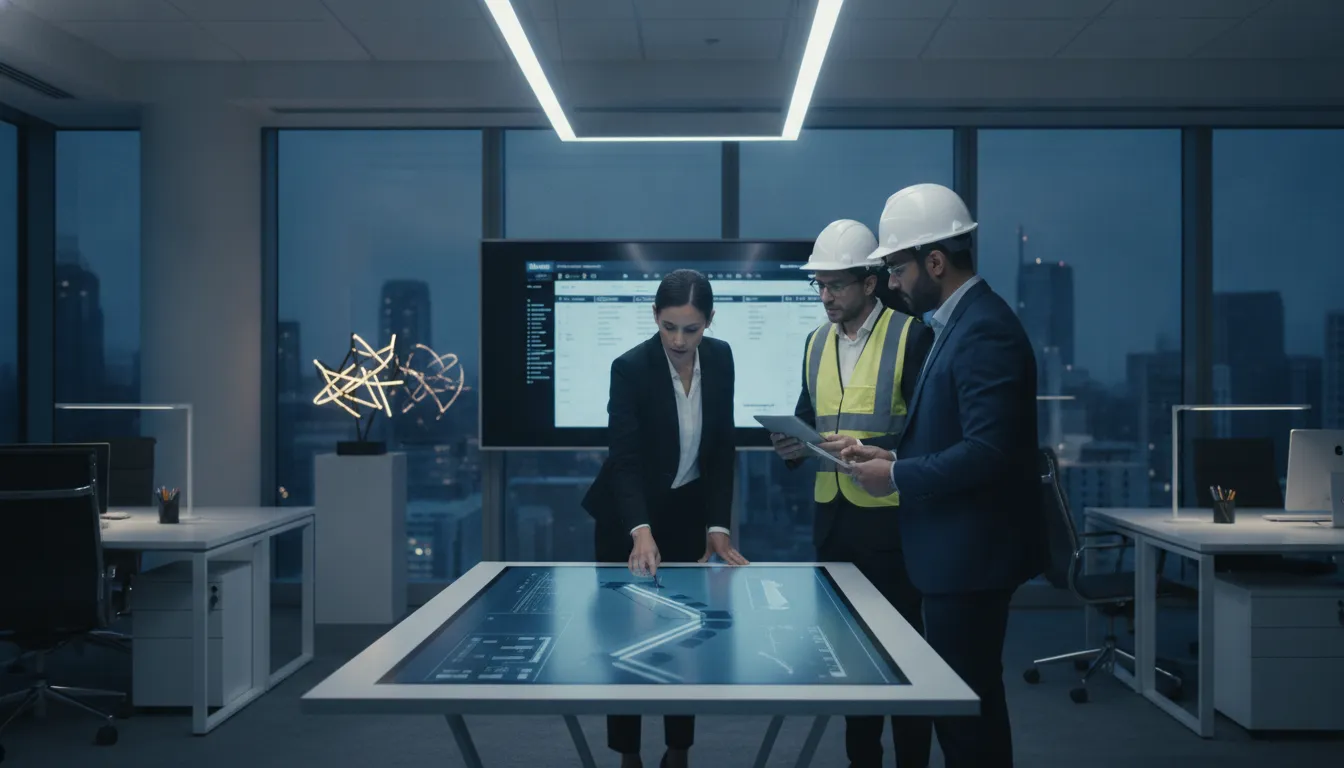
Your business has enough daily responsibilities without adding fixture deliveries, permit applications, contractor schedules, and warranty claims to the list. Yet every one of these details can affect the outcome of a commercial lighting project. Lighting project management services give your team a practical way to keep the work organized from start to finish. A project manager coordinates site assessments, lighting designs, procurement, installation, programming, inspections, and ongoing care. Whether you need better parking lot visibility, a polished storefront, an LED retrofit, or permanent holiday lighting, professional coordination can reduce confusion and help keep the project aligned with your goals.
Key Takeaways
- Use one coordinated plan for the entire lighting project: A project manager can oversee design, permits, product orders, contractors, installation, testing, and maintenance.
- Choose flexible lighting that supports daily operations and special events: Permanent outdoor LED systems can provide everyday illumination, holiday displays, brand colors, and scheduled scenes from one setup.
- Compare providers beyond the initial price: Review commercial experience, safety practices, communication, warranties, service response, documentation, contract terms, and support for future upgrades.
What Do Lighting Project Management Services Cover?
Lighting project management services cover the planning, coordination, installation, and ongoing care needed to complete a commercial lighting project. Instead of asking your team to manage designers, electricians, suppliers, property managers, and maintenance crews separately, a project manager brings those responsibilities together under one organized plan.
This support can apply to new construction, exterior lighting, commercial LED retrofits, permanent outdoor lighting, holiday displays, and system upgrades. A clear scope, defined schedule, budget tracking, and assigned responsibilities help prevent avoidable delays and confusion. Project planning and coordination become especially important for larger properties with multiple installation areas or vendors.
A project manager also accounts for product availability, site access, electrical requirements, permits, safety procedures, testing, and future maintenance. Your business receives more than lighting products. You receive a structured process designed to keep the work moving while limiting disruption for employees, tenants, customers, and daily operations.
Coordinate commercial lighting projects from start to finish
A lighting project manager organizes each stage of the work, from the initial site assessment through final testing. This may include defining the scope, confirming lighting goals, developing a schedule, coordinating deliveries, assigning crews, tracking progress, and documenting completed work.
Several tasks may happen at once on a large commercial property. Exterior fixtures may need to arrive before installation, electrical work may require a permit, and crews may need access during specific hours. Project management connects these details so one delay does not create problems across the entire job.
The manager also monitors the budget and communicates changes before they become surprises. With clear milestones and responsibilities, property owners can see what has been completed, what comes next, and whether the project remains on schedule.
Assign one contact for every project phase
Managing several lighting vendors can quickly become a full-time administrative task. A project management provider gives you one primary contact who can coordinate design questions, product orders, installation crews, inspections, maintenance, and warranty concerns.
This single point of contact keeps information from getting lost between companies. If a fixture is delayed, a control system needs adjustment, or an installation detail changes, your project manager can coordinate the response instead of sending your team from one vendor to another. Single-contact project management can be especially helpful for businesses with limited facilities staff.
Your contact should also provide regular updates and explain decisions in straightforward language. That includes sharing schedule changes, documenting approved adjustments, and confirming when each phase is ready for the next step.
Manage installations, retrofits, maintenance, and upgrades
Lighting project management can support both new systems and existing properties. For a new installation, the provider may coordinate fixture placement, wiring, controls, testing, and commissioning. For a retrofit, the work may involve replacing outdated fixtures, reviewing existing wiring, checking compatibility, and staging the project around business hours.
Ongoing support can include preventive maintenance, inspections, repairs, replacement parts, and warranty coordination. A provider may also manage upgrades when your needs change, such as adding motion sensors, automated schedules, architectural accents, or programmable holiday lighting.
This approach helps address problems before they affect customers or employees. Experienced providers can identify installation complications, product shortages, and compatibility concerns early, reducing the chance of expensive interruptions. Commercial lighting project management helps manage these moving parts while business leaders focus on daily operations.
Install permanent outdoor LED lighting for businesses
Permanent outdoor LED lighting gives businesses a consistent exterior system for everyday use, seasonal displays, events, and brand-specific moments. Low-profile fixtures can be installed along rooflines, architectural details, entrances, walkways, and other areas where you want controlled illumination without the appearance of temporary decorations.
A project manager coordinates the design, product selection, electrical work, controls, programming, and final testing. The system may follow a regular schedule, display specific colors, or change for holidays and special events. A property could use subtle white lighting throughout the year, then switch to themed colors during the holiday season.
Commercial-grade LED fixtures and smart controls can also reduce maintenance demands and power use over time. Outdoor commercial lighting systems can improve visibility and curb appeal while giving property owners more control over how their buildings look after dark.
Compare project management with product-only support
Product-only support typically means purchasing fixtures, controls, or other equipment and arranging the remaining work yourself. Your team may need to confirm product availability, compare specifications, coordinate delivery, hire an installer, manage changes, and handle warranty questions after the project is complete.
Lighting project management covers those responsibilities as part of a coordinated service. The provider reviews project requirements, confirms product availability, tracks lead times, schedules deliveries, and aligns materials with the installation timeline. This helps prevent missing components or equipment arriving before the site is ready. Procurement and delivery coordination can be valuable when a project includes multiple fixture types or locations.
Product-only support may work for a small, straightforward replacement. For a new installation, phased retrofit, or permanent outdoor lighting system, project management provides clearer ownership, better communication, and one team responsible for keeping the work organized.
How Do Lighting Project Management Services Work?
Lighting project management brings design, products, contractors, schedules, and long-term support into one coordinated process. Instead of asking a business owner or facilities team to manage every detail separately, a project manager oversees the work from the first site visit through installation, testing, and ongoing service.
The process begins with a clear understanding of the property and the goals for the lighting system. From there, the project manager develops a practical plan, confirms product specifications, coordinates materials and crews, and keeps stakeholders informed as the work progresses. This structure helps reduce delays, prevent miscommunication, and keep the finished system aligned with the property’s needs.
For commercial properties, a project may include exterior lighting, LED retrofits, parking lot fixtures, architectural accents, controls, or permanent outdoor lighting for holidays and special events. A provider such as Lit 365 can also help businesses plan customizable LED systems with scheduled colors, patterns, and displays for year-round use.
Assess the site and define business goals
Every lighting project begins with an on-site assessment. The project manager reviews the building, outdoor areas, existing fixtures, wiring, electrical capacity, mounting surfaces, access points, and other conditions that could affect installation. They may also evaluate parking areas, walkways, entrances, landscaping, signage, and architectural features that need better visibility.
The assessment connects the property’s physical conditions with its business goals. A retailer may want a brighter entrance and stronger brand visibility, while an office may prioritize safety, efficiency, and a polished appearance. A hospitality property might need flexible lighting for guests, events, and seasonal displays.
The project manager then helps define the scope, priorities, timeline, and budget expectations. This early planning creates a realistic starting point and identifies potential challenges before crews arrive. A detailed site review is especially important for keeping large lighting installations on schedule and within budget.
Create lighting designs, specifications, and submittals
After assessing the property, the project team develops a lighting plan that shows how the finished system should look and function. Depending on the project, the design may include fixture locations, mounting details, beam direction, color temperature, brightness, controls, wiring routes, and operating schedules.
For permanent outdoor LED systems, the plan may also include color-changing options, holiday scenes, event presets, and everyday accent lighting. The goal is to create a consistent appearance that complements the property instead of adding fixtures without a clear visual purpose.
Specifications identify the exact products and performance requirements needed for the project. Submittals may include fixture cutsheets, control information, installation details, and compliance documentation. These materials give owners, contractors, electricians, and other stakeholders a shared reference point. Clear submittals also help streamline the commercial lighting bid process and reduce confusion when multiple teams are involved.
Plan the scope, budget, schedule, and risks
With the design in place, the project manager creates a detailed plan for completing the work. The plan outlines the project scope, estimated costs, required materials, labor, milestones, and expected completion date. It also identifies responsibilities for tasks such as product approvals, permit applications, installation, inspections, and final testing.
Risk planning is an important part of this stage. Existing wiring may not support new fixtures, products may have extended lead times, or installation may require lifts and access during limited operating hours. Weather, tenant schedules, construction changes, and unexpected site conditions can also affect the timeline.
A project manager prepares for these issues by building realistic allowances into the schedule and budget. They may recommend phased work, alternate products, or after-hours installation to limit disruption. Because unexpected problems can lead to costly delays and budget overruns, identifying risks early gives the business more options for addressing them.
Manage procurement, inventory, and deliveries
Once the specifications are approved, the project manager coordinates product ordering and delivery. This includes confirming fixture availability, reviewing lead times, ordering controls and accessories, and making sure every component matches the approved design.
Effective procurement prevents a common installation problem: having crews on-site without the materials they need. The project manager tracks purchase orders, confirms shipment details, inspects deliveries, and organizes products for the installation team. They may also maintain an inventory of replacement fixtures, connectors, drivers, controllers, and other parts needed for future service.
For projects involving multiple buildings or locations, materials should be labeled and assigned correctly. This keeps products from being mixed up and makes phased installations easier to manage. Coordinating delivery dates with the installation schedule ensures materials arrive when the site is ready, which is central to managing lighting products and job-site inventory.
Coordinate contractors, access, permits, and safety
Lighting projects often involve electricians, general contractors, property managers, facility teams, manufacturers, and specialized installers. The project manager serves as the central point of contact, keeping these groups aligned and making sure each team understands its responsibilities.
They coordinate site access, lift equipment, work zones, tenant communication, delivery routes, and installation hours. For an active business, this may mean scheduling work before opening, after closing, or in phases so customers and employees can continue using the property safely.
The project manager also helps coordinate permits, inspections, electrical requirements, and applicable building or safety codes. They confirm that contractors are properly qualified and that the plan accounts for fall protection, energized equipment, traffic areas, and other job-site hazards. During installation, the PM works with electricians and lighting designers to resolve challenges, as described in commercial lighting upgrade project management.
Complete installation, testing, and commissioning
During installation, the project manager follows the approved plan and monitors progress against the schedule. Fixtures are mounted, wiring and controls are connected, and components are placed according to the lighting design. For permanent outdoor lighting, installers may position low-profile LED channels along rooflines, eaves, architectural details, or other approved areas.
After installation, the team tests the system instead of relying on a visual check alone. Testing may include fixture operation, dimming, color changes, timers, sensors, automated schedules, control access, and electrical performance. Each area should provide the intended coverage, brightness, and appearance.
Commissioning confirms that the system is ready for regular use. The project manager reviews fixture locations, corrects aiming or programming issues, and confirms that scenes work as expected. An installation map can help crews identify fixture types and locations while documenting potential challenges for future maintenance. This reflects the value of installation maps and organized lighting materials.
Provide documentation and train staff
A completed lighting project should include clear records, not just newly installed fixtures. Documentation may cover product information, warranty details, fixture schedules, wiring diagrams, control instructions, maintenance recommendations, and final installation drawings. These records make it easier to troubleshoot problems, order replacement parts, or expand the system later.
The project manager may also train property managers, maintenance teams, or designated staff on everyday operation. Training can cover changing lighting scenes, adjusting schedules, using holiday presets, responding to alerts, and knowing when to request professional service. For a business using programmable outdoor LEDs, staff may learn how to switch between subtle everyday lighting and brighter displays for holidays, events, or promotions.
The handoff should explain who handles defective products, warranty claims, repairs, and replacements. Some lighting providers help coordinate replacement parts and labor when a product issue occurs, as described in commercial lighting project support services. This gives the business a clear process for maintaining the system after installation.
What Do These Services Include?
Lighting project management covers far more than selecting fixtures and scheduling an installation. It brings together the planning, people, materials, documentation, and technical decisions needed to complete a lighting project properly. Services may support a new commercial property, an exterior lighting upgrade, a commercial LED retrofit, or a permanent outdoor lighting system for year-round use.
A project manager typically begins by understanding the property, business goals, operating hours, existing electrical system, and budget. From there, they coordinate designs, product selection, permits, deliveries, installation crews, inspections, programming, and ongoing service.
The exact scope depends on the property. A retail location may need brighter exterior lighting and automated schedules, while an office building may prioritize energy efficiency and consistent light levels. A restaurant, hotel, or event venue may need programmable lighting for holidays, promotions, and special occasions.
For businesses with multiple properties, project management also creates a consistent process. Each location can follow approved specifications while still accounting for local codes, site conditions, access restrictions, and operating schedules.
Manage new construction and exterior lighting installations
New construction projects require lighting decisions early. Fixture locations, mounting methods, wiring routes, controls, and power requirements must align with the building plans and construction schedule.
A project manager coordinates the owner, general contractor, electrician, designer, and other trades. For exterior projects, this may also include parking areas, landscaping, building entrances, signage, weather exposure, and nighttime visibility.
The manager oversees material deliveries, installation phases, inspections, and final testing. Defined timelines, budgets, and responsibilities make large projects easier to control, as explained in this overview of lighting project management.
Complete commercial LED retrofits and energy audits
A commercial LED retrofit replaces outdated fixtures, lamps, or controls with more efficient equipment. Before recommending products, the project team may review energy use, fixture condition, operating hours, light levels, maintenance history, and the existing electrical infrastructure.
An energy audit helps identify where lighting consumes the most power and which improvements may offer the best return. Recommendations could include LED fixtures, occupancy sensors, daylight controls, scheduling changes, or improved lighting zones.
The plan should also address brightness, glare, color temperature, emergency lighting, and the property’s overall appearance. Old wiring, incompatible controls, limited access, and unexpected site conditions can complicate retrofits, making careful planning essential. Commercial lighting project guidance explains how coordination can help limit delays and unplanned costs.
Install controls, sensors, timers, and automated schedules
Modern lighting systems can respond to time, motion, daylight, business hours, and special events. Project managers may coordinate occupancy sensors, photocells, timers, dimmers, smart controls, and automated schedules as part of the installation.
A business might use brighter lighting during operating hours, lower illumination overnight, and decorative lighting during a holiday or promotion. Permanent outdoor LED systems can be programmed for everyday accent lighting, holiday colors, sports events, birthdays, and brand-specific displays.
Controls must match the fixtures, wiring, software, and intended use. Commissioning confirms that schedules work correctly and that staff know how to make basic adjustments. Learn more about the role of connected systems in commercial lighting automation.
Coordinate electrical codes, permits, and compliance
Lighting projects must follow applicable electrical codes, permit requirements, safety standards, and property rules. Requirements can affect fixture placement, wiring methods, outdoor equipment, controls, emergency systems, and work near public areas.
A project manager helps identify required approvals and coordinates licensed contractors and inspectors. This may involve submitting plans, scheduling inspections, confirming completed work, and documenting changes made during installation.
Exterior projects may also need to address glare, light trespass, signage restrictions, historic districts, or neighborhood appearance standards. Businesses with multiple locations benefit from a consistent review process that still accounts for local requirements. Handling compliance early helps reduce rework and keeps the project moving.
Standardize lighting across multiple locations
Businesses with several properties often want the same appearance, performance, and operating experience at every location. Standardization may cover fixture types, color temperature, brightness, mounting details, control settings, replacement parts, and maintenance procedures.
A project manager coordinates materials and crews across job sites, confirms that installations follow approved specifications, and records differences between locations. This is useful for retail stores, restaurants, hotels, offices, healthcare facilities, and commercial properties with shared branding.
Multi-location work also depends on careful logistics. Materials must reach the correct site, contractors need access at approved times, and installation quality must remain consistent. This lighting project management resource explains why multiple job sites require detailed coordination.
Create installation maps, asset records, and maintenance documents
Project documentation gives property owners a clear record of what was installed and how the system operates. An installation map may show fixture locations, circuit information, control zones, equipment types, wiring routes, and areas requiring special access.
Asset records can include model numbers, serial numbers, installation dates, warranty details, and recommended replacement parts. Maintenance documents may outline inspection intervals, cleaning procedures, troubleshooting steps, and service contacts.
These records remain useful when a property changes managers, adds new buildings, or needs repairs years later. They help technicians identify the correct component without tracing an undocumented system. Project management guidance from PEC Northwest highlights how installation maps and organized material records support easier maintenance.
Manage warranties, defects, and replacements
A lighting project manager can remain involved after installation by tracking warranties, documenting defective components, and coordinating repairs or replacements. This gives the property owner one point of contact when a fixture fails, a control stops responding, or an installation issue appears.
The process may include recording the problem, confirming warranty coverage, requesting replacement equipment, arranging shipping, and scheduling labor. A provider may also coordinate a temporary solution when a failure affects safety, customer experience, property appearance, or business operations.
Accurate records make warranty claims easier. They show when equipment was installed, which products were used, and what work has already been completed. Some commercial lighting providers also arrange labor for replacement or repair, as described in this commercial lighting service overview.
How Do These Services Support Lighting Projects?
Lighting project management continues after the installation crew leaves. A reliable provider helps keep the system organized, functional, and aligned with the property’s needs, whether the project involves a commercial LED retrofit, permanent outdoor lighting, or several locations.
This ongoing support can reduce disruptions to daily operations and help businesses maintain a polished exterior. It also gives property owners a clear process for handling repairs, managing system updates, and adjusting lighting for holidays, events, promotions, and seasonal changes.
Plan phased retrofits with minimal business disruption
A commercial lighting retrofit does not always need to happen all at once. Project management teams can divide the work into practical phases, such as completing one building section, parking area, tenant space, or location at a time. This approach helps businesses keep important areas open while spreading project costs across a defined schedule.
Before work begins, the provider should confirm the scope, timeline, budget, responsibilities, and access requirements. A clear plan gives crews the information they need and allows property managers to notify employees, tenants, and customers in advance. As this commercial lighting project management guidance explains, breaking large installations into manageable phases can help keep work on schedule and within budget.
For exterior lighting, phased work may begin with the main building before expanding to parking lots, walkways, landscaping, signage, or additional properties.
Schedule preventive maintenance, inspections, and repairs
Preventive maintenance helps identify lighting problems before they become visible failures or costly emergencies. A service provider may inspect LED fixtures, wiring, mounting points, timers, controls, connections, and weather-related wear. These checks are especially useful for outdoor systems exposed to changing temperatures, moisture, and severe weather.
Regular inspections can reveal flickering fixtures, water intrusion, loose components, damaged wiring, or controls that no longer match the property’s schedule. Addressing these concerns early helps protect the system’s appearance and reliability.
A maintenance plan should include service intervals, repair priorities, reporting procedures, and emergency contact information. Because unexpected issues can lead to delays and unplanned costs, commercial lighting maintenance planning helps property owners address problems before they interfere with operations.
Respond quickly to lighting failures and downtime
A failed fixture can make more than a property look unfinished. Poor lighting may affect entrances, walkways, parking areas, and signage. It can also create safety concerns or make a business appear less welcoming after sunset.
Lighting project management services give businesses a clear process for reporting failures and requesting repairs. The provider can assess the issue, identify the necessary parts, schedule a technician, and communicate expected completion times. This is particularly helpful for businesses with multiple properties or large outdoor lighting systems.
Fast response depends on accurate fixture records and a clear understanding of the system layout. Coordinating products and deliveries across job sites can also prevent material shortages and unnecessary disruptions, as noted in this lighting project management resource.
Manage replacement parts, inventory, and returns
Lighting systems include more than visible fixtures. Replacement needs may involve LED modules, drivers, power supplies, connectors, mounting hardware, timers, sensors, control components, or wiring. Without organized records, identifying the correct part can take time and may result in mismatched equipment.
A project management provider can track installed products, warranty terms, replacement parts, and supplier information. This makes it easier to confirm compatibility before ordering and helps reduce delays when a component fails. Inventory planning may also include keeping commonly used parts available for properties with similar systems.
The provider can coordinate defective returns, replacement shipments, and labor for changeouts or repairs. Some commercial lighting services assist with defective returns and replacement coordination, giving property owners one point of contact instead of several manufacturers and contractors.
Review fixture, wiring, control, and system compatibility
A new lighting product is not automatically compatible with an existing electrical system. Before recommending a replacement or upgrade, a project manager should review the property’s wiring, power capacity, mounting conditions, controls, timers, sensors, and installation environment.
This review is especially important when a business wants to connect permanent outdoor LED lighting to automated schedules or existing building controls. The wrong fixture, driver, voltage, connector, or control platform may cause flickering, unreliable operation, or premature failure.
Compatibility planning also helps prevent costly rework. A provider can identify electrical limitations, confirm product specifications, and determine whether additional components or upgrades are needed. Technical challenges involving infrastructure, fixtures, and controls make a detailed lighting system compatibility review an important planning step.
Program holiday, event, and brand-specific lighting
Permanent outdoor lighting gives businesses more flexibility than a system designed for one season. With the right controls, a property can use soft white lighting for everyday curb appeal, team colors for a special event, or branded colors during a promotion. Holiday scenes can be scheduled without installing and removing temporary lights each year.
A project management provider can help organize color selections, patterns, brightness levels, timing, and display zones. This makes it easier to light a storefront, hotel, office, restaurant, or community property in a way that supports its identity without creating a disorganized appearance.
Automated scheduling can reduce manual work. Managers may set lights to turn on at sunset, change at a specific time, or switch to another scene for weekends and events. Commercial lighting automation can also connect lighting controls with broader building operations.
Recommend future lighting upgrades
A lighting project manager should look beyond the immediate installation. After reviewing the property and system performance, the provider can recommend practical upgrades based on maintenance history, energy use, appearance, safety, and business goals.
Future recommendations might include adding lighting to a dark walkway, replacing outdated fixtures, improving entryway visibility, installing controls, or extending a permanent LED system to another part of the property. Businesses with several locations may also benefit from standardizing fixture types, color temperatures, schedules, and control systems.
Recommendations should be prioritized rather than presented as an overwhelming list. A provider may identify urgent repairs first, then suggest improvements for a future phase or maintenance visit. Focusing on high-impact areas, such as entrances and common spaces, can improve the customer experience while keeping the project within budget, as outlined in this commercial lighting planning guidance.
What Commercial Lighting Challenges Do These Services Solve?
Commercial lighting projects involve more than selecting fixtures and scheduling an electrician. A new installation, LED retrofit, or permanent outdoor lighting system may include several vendors, multiple work areas, changing business requirements, and strict operating schedules. Without a clear plan, small issues can lead to delays, unexpected costs, or inconsistent results across a property.
Lighting project management services bring these details into one coordinated process. A project manager can organize site assessments, design approvals, procurement, installation, testing, maintenance, and follow-up service. They also help document decisions, assign responsibilities, and keep owners informed throughout the work.
This support is valuable for retail centers, office buildings, hotels, healthcare facilities, HOAs, and businesses with multiple locations. It can also help companies install permanent outdoor LED lighting that provides everyday curb appeal, programmed holiday displays, and consistent brand visibility without requiring staff to manage every detail themselves.
Clarify project scopes and changing requirements
A lighting project can change as soon as work begins. A property owner may add a parking area, request holiday programming, change the preferred color temperature, or discover that one section of the building needs different fixtures. Project management establishes the original scope and documents approved changes so everyone understands what is included and what requires additional time or funding.
A clear scope should identify fixture types, control systems, installation areas, performance expectations, timelines, and responsibilities. Breaking the work into defined phases also makes progress easier to track and problems easier to address. Commercial Lighting Industries explains how project management helps keep large lighting installations on schedule and within budget.
Coordinate vendors and contractors
Commercial lighting work may involve manufacturers, electrical contractors, controls specialists, lift operators, permitting offices, and maintenance teams. When each party works from separate instructions, materials can arrive at the wrong time or crews may reach a job site before the area is ready. A project manager coordinates these moving parts and confirms who is responsible for each task.
This coordination matters even more when a business has multiple buildings or locations. The project manager can organize site visits, compare vendor timelines, confirm material availability, and apply consistent installation standards. Instead of contacting several companies for updates, the property owner has one point of contact who understands the full project and can address issues quickly.
Control budget overruns, change orders, and material delays
Unexpected conditions can affect nearly any commercial lighting project. A wall may require additional wiring, a fixture may be discontinued, or an electrical panel may need an upgrade before installation can continue. If these issues are not identified and documented quickly, they can create change orders, extend labor costs, and delay the opening or reopening of a space.
Project management helps control these risks through detailed estimates, procurement tracking, and regular budget reviews. The team can identify substitutions, request approvals, and communicate cost impacts before work proceeds. Tarrant Lighting Experts notes that unexpected problems often contribute to project delays and budget overruns, making early planning and clear documentation essential.
Address existing infrastructure and fixture compatibility
An LED retrofit is not always a simple fixture swap. Existing wiring, junction boxes, controls, mounting surfaces, and electrical panels may not support the new system. Older buildings can also present code concerns or physical limitations that are difficult to identify during a basic walkthrough.
A lighting project manager reviews the existing infrastructure before recommending products. This review can show whether new fixtures will work with current wiring, sensors, dimmers, timers, and control platforms. It also helps the team plan electrical repairs before installation begins, rather than discovering compatibility problems after materials and crews are already on site. PacLights identifies wiring limitations and compatibility concerns as common challenges when modern lighting is added to older buildings.
Improve communication among owners, vendors, and crews
Miscommunication can create expensive rework. A property owner may expect warm accent lighting while the installer receives specifications for bright security fixtures. A contractor may complete one section without knowing that a control system is changing in another area. Project management keeps decisions, drawings, schedules, and approvals organized in one process.
Regular updates also give business owners a clearer view of completed work, delays, and pending approvals. Crews receive current instructions, vendors know when materials are needed, and owners can respond before a small question becomes a larger problem. Clear communication improves quality control and reduces unnecessary site visits, corrections, and scheduling conflicts.
Manage access restrictions, tenants, and operating schedules
Commercial properties rarely have unlimited access. Retail stores may need work completed before opening, offices may restrict noisy tasks during business hours, and multi-tenant buildings may require advance notice before crews enter shared or private spaces. Hotels, healthcare facilities, and industrial sites may also have strict safety and access procedures.
A project manager builds these requirements into the schedule. Work can be divided into zones, deliveries can be timed around tenant activity, and crews can receive access instructions before arriving. For businesses with several properties, a consistent provider can also help align installation practices with local requirements and property-specific procedures. Action Services Group discusses the value of consistency across locations when commercial lighting systems are managed by an experienced provider.
Resolve installation defects, system failures, and warranty issues
Even a well-planned installation may require adjustments after the system is turned on. A fixture could flicker, a color setting may not match the approved design, or a timer may fail to communicate with the lighting controls. Without a clear service process, the property owner may have to determine whether the issue belongs to the installer, manufacturer, electrician, or controls provider.
Project management keeps responsibility clear after installation. The provider can document defects, arrange troubleshooting, process warranty claims, order replacement parts, and schedule repairs. This approach prevents unresolved issues from being passed between vendors. It also creates a service record that can support future maintenance planning and help identify recurring equipment or installation problems.
Clarify costs, staffing needs, and project scope
Businesses often underestimate the staff time required to manage a commercial lighting project. Someone must review proposals, coordinate access, approve substitutions, track deliveries, communicate with tenants, inspect completed work, and maintain warranty records. When these duties fall to an already busy facilities or operations team, important details can be missed.
A project management service defines the work, staffing requirements, and expected costs before installation starts. The proposal should identify design services, equipment, labor, permits, lifts, programming, testing, maintenance, and exclusions. It should also explain who handles communication and what happens when site conditions change. This clarity helps business owners compare providers fairly and plan for the complete project cost, not just the price of the fixtures.
What Are the Benefits of Lighting Project Management Services?
Lighting project management services give businesses one organized plan for designing, installing, maintaining, and improving their lighting systems. Instead of coordinating electricians, suppliers, property managers, and service technicians on your own, you have one experienced partner overseeing the work.
This support is especially valuable for commercial properties with permanent outdoor LED lighting. A well-managed system can improve visibility, support seasonal displays, strengthen brand presentation, and simplify long-term maintenance. It can also help your team plan upgrades around business hours, tenant schedules, customer traffic, and special events.
Whether you manage one property or several locations, project management creates a clear process for budgeting, scheduling, installation, programming, and future service. The result is a lighting system that works reliably and presents your property well throughout the year.
Reduce energy and operating costs
A lighting project manager can identify where your business uses more energy than necessary and recommend practical improvements. These may include LED fixtures, automated schedules, occupancy sensors, daylight controls, and centralized management tools.
Permanent LED systems can also reduce the labor and equipment costs associated with installing and removing temporary holiday lights each year. With the right controls, your team can schedule lighting to operate only when needed, while creating different settings for business hours, overnight use, holidays, and special events.
Integrated lighting controls can reduce energy costs and improve operational efficiency, but the results depend on proper planning and setup. A project manager helps connect the equipment, programming, and maintenance plan so the system performs as intended.
Reduce internal coordination and administrative work
Commercial lighting projects often involve property owners, facility managers, electricians, manufacturers, installers, and local authorities. Without a clear point of contact, your team may spend hours requesting updates, confirming deliveries, reviewing changes, and resolving misunderstandings.
A lighting project manager coordinates these moving pieces. They can maintain the schedule, organize documents, communicate with vendors, and make sure each party understands what needs to happen next.
This support allows your staff to focus on running the business instead of managing every detail of a lighting installation. It also creates a clearer record of decisions, fixtures, warranties, approvals, and service requests. As commercial lighting project management guidance explains, unexpected problems can lead to delays and budget overruns when no one actively coordinates the work.
Improve schedule, budget, and quality control
A lighting project manager breaks a large installation or retrofit into clear phases. These may include site assessment, design, product selection, procurement, installation, programming, testing, and final approval. Each phase receives a timeline, assigned responsibilities, and measurable completion criteria.
This structure makes it easier to identify delays before they affect the entire project. It also gives business owners better visibility into material costs, labor, change orders, and remaining work. If a fixture becomes unavailable or existing wiring creates a problem, the project manager can recommend an alternative and explain its effect on the budget and schedule.
Defined milestones also support quality control. The team can inspect fixture placement, wiring, controls, brightness, color consistency, and programming before the project is complete. Phased lighting project planning helps keep large installations organized and accountable.
Support safer installations and clearer compliance oversight
Commercial lighting work can involve electrical connections, elevated work areas, exterior weather exposure, traffic, tenants, and customer access. Project management helps organize these risks before crews arrive on site.
A qualified provider can coordinate licensed contractors, required permits, safety procedures, equipment access, and inspections. They can also confirm that fixtures, wiring, controls, and installation methods suit the property and local requirements.
This oversight does not replace the responsibilities of licensed electricians or local inspectors. Instead, it gives the project a central process for confirming that the right professionals are involved and that required documentation is collected. It is particularly useful for businesses with multiple properties, where inconsistent installation practices can create avoidable issues. An experienced provider can support consistent lighting systems and local code alignment.
Limit disruption for employees, tenants, and customers
Lighting improvements do not have to interrupt normal business operations. A project manager can plan work around operating hours, tenant schedules, delivery windows, events, and other site restrictions.
For example, a parking lot retrofit may be divided into smaller zones so customers and employees retain access to safe, well-lit areas. Exterior lighting work may take place during low-traffic periods, while noisy or elevated tasks are coordinated in advance with property managers.
Careful planning also reduces overlap between trades. Electricians, lift operators, delivery teams, and installers can arrive when the site is ready, rather than waiting for one another. This keeps the project moving and limits confusion around access. Clear roles and spending oversight can reduce delays and costly overlaps during installation.
Maintain consistent curb appeal and brand visibility
Exterior lighting shapes how customers, employees, tenants, and visitors experience a property. Inconsistent color, uneven brightness, broken fixtures, or poorly aimed lights can make a business appear neglected, even when the building itself is well maintained.
A lighting project manager can create standards for fixture placement, color temperature, brightness, beam direction, and operating schedules. Those standards can apply to building entrances, signs, landscaping, parking areas, walkways, and architectural features.
For businesses that use permanent outdoor LED lighting, the same system can provide subtle everyday illumination and colorful seasonal displays. This creates a polished appearance without requiring a separate installation each year. A project manager can also compare products and suppliers to help businesses receive quality lighting at a competitive value.
Adapt lighting for holidays, events, and everyday use
A well-planned lighting system can serve more than one purpose. Businesses may use neutral white lighting for daily operations, brand colors for special promotions, and custom patterns for holidays or community events.
Permanent outdoor LED systems are useful because fixtures remain in place while the appearance changes through programming. A business might schedule warm accent lighting after sunset, switch to team colors for a game, or create a Christmas display without installing temporary strands along the roofline.
Project management helps ensure these features are practical, safe, and simple for staff to use. The service may include control systems, timers, scenes, remote access, and staff training. The design should remain attractive without becoming harsh or distracting, which is an important consideration for commercial outdoor lighting.
Serve retail, hospitality, office, healthcare, and industrial properties
Lighting project management can support many types of commercial properties, each with different operational needs. Retail stores may need attractive storefront lighting and seasonal displays. Hotels and restaurants may focus on guest experience, outdoor gathering areas, and event programming.
Office buildings often need dependable entry, parking, and walkway lighting. Healthcare facilities may require careful attention to safety, access, and uninterrupted operations. Industrial properties may need durable fixtures, high mounting locations, loading area visibility, and controls that work across large sites.
A project manager begins with the property’s purpose, layout, operating schedule, and maintenance requirements. From there, they can recommend a system that fits the site rather than applying the same solution everywhere. Commercial lighting providers may handle the details of both commercial and industrial lighting upgrade projects.
Standardize lighting across business locations
Businesses with multiple locations can use project management services to create a consistent lighting experience across their properties. A provider can document approved fixtures, colors, mounting methods, controls, schedules, and maintenance procedures, then apply those standards to each site.
Standardization makes future installations easier because teams do not have to start from scratch at every location. It can also simplify training, replacement parts, warranty support, and troubleshooting. If one property needs a repair, staff can reference the same type of documentation used elsewhere.
Consistent lighting also supports brand recognition. Customers should see the same polished presentation whether they visit a flagship store, a smaller location, or a regional office. A provider that coordinates multiple sites can support consistency across locations and alignment with local codes while accounting for each property’s individual requirements.
How Does Traditional Lighting Support Compare With Project Management?
Traditional lighting support is usually reactive. A business notices a burned-out fixture, contacts a contractor, orders replacement parts, and waits for the repair. This approach may be practical for an occasional issue, but it becomes harder to manage across multiple buildings, locations, or seasonal lighting displays.
Lighting project management takes a more coordinated approach. Instead of treating every repair or upgrade as a separate service call, a project manager oversees planning, procurement, installation, maintenance, documentation, and future improvements. This creates clearer ownership and helps businesses plan around budgets, operating hours, tenant needs, and important events.
The difference matters for commercial properties that rely on consistent curb appeal. A permanent outdoor LED system may include fixtures, wiring, controls, timers, color programming, and automated schedules. When one provider coordinates these elements, the business can maintain a polished exterior without asking its internal team to manage several contractors.
Project management is also valuable during larger installations and retrofits. Defined timelines, assigned responsibilities, and documented project phases make it easier to identify delays and address issues early. Businesses can review the role of lighting project management when comparing a coordinated service with traditional, vendor-by-vendor support.
Rely on reactive, vendor-by-vendor lighting work
With traditional support, each lighting need may involve a different company. One contractor may handle electrical work, another may supply fixtures, and a third may install seasonal decorations. The business owner or facilities team must coordinate schedules, confirm materials, explain site requirements, and follow up when something goes wrong.
This approach can lead to delays and inconsistent results. It may also be difficult to determine who is responsible for a missed deadline, installation defect, or incompatible component. A project manager brings these moving parts together, helping coordinate contractors, materials, quality checks, and site access from the beginning.
Manage the full commercial lighting lifecycle
Project management covers more than the initial installation. It can begin with a property assessment and continue through design, procurement, installation, testing, maintenance, repairs, and future upgrades. Each phase includes defined tasks and deadlines, so the project does not depend on informal handoffs.
This structure is useful for businesses planning a commercial LED retrofit or permanent exterior lighting system. A provider can review existing wiring, coordinate fixtures and controls, arrange access, and schedule work around business hours. After installation, the same team can support inspections, replacements, programming changes, and seasonal updates.
Assign responsibility for installation, maintenance, and upgrades
A project manager gives the business one person or team responsible for coordinating the work. That responsibility may include communication with electricians, lighting designers, suppliers, property managers, and internal staff. If an installation challenge appears, the project manager helps determine the next step instead of leaving the owner to solve the problem alone.
This structure also supports future changes. When a business adds a building, updates its branding, or wants a new holiday display, the provider already understands the property and lighting system. PEC Northwest explains how project managers coordinate electricians and lighting designers while addressing implementation issues during an upgrade.
Improve visibility into schedules, costs, and warranties
Traditional service calls can make it difficult to understand the full cost of a lighting system. A business may receive separate invoices for troubleshooting, replacement parts, emergency labor, and follow-up visits. Without organized records, it may also be unclear which components remain under warranty or when maintenance is due.
Project management creates a central record of the work. A provider can document the project scope, approved materials, installation milestones, change orders, warranties, and completed repairs. This information helps property owners plan future expenses and identify potential delays before they affect employees, tenants, customers, or scheduled events.
Identify when traditional maintenance falls short
Traditional maintenance may be enough for a small property with simple lighting needs. It becomes less effective when a business operates multiple locations, uses automated controls, or depends on a consistent exterior appearance. Repeated service calls can address individual failures without solving larger problems, such as outdated fixtures, inefficient equipment, poor wiring, or incompatible controls.
An organized review can show when replacement makes more sense than continued repair. Older systems may use more electricity and require frequent attention. TCP’s guide to industrial lighting challenges explains how conventional lighting can increase energy use and operating costs in commercial buildings. A project manager can then help compare ongoing repair expenses with a phased LED retrofit or complete system upgrade.
Work with one responsible lighting provider
A single provider simplifies communication across the project. Instead of contacting separate companies for design, electrical work, controls, seasonal programming, and repairs, the business works with one team that coordinates the details. This is especially helpful for permanent outdoor LED lighting, where fixture placement, wiring, color programming, timers, and maintenance must work together.
One provider can also maintain consistent standards across several locations. The team can use the same lighting specifications, installation practices, scheduling methods, and documentation for each property. A single point of contact for lighting projects reduces the administrative work of coordinating multiple vendors. For businesses that want dependable curb appeal throughout the year, that continuity makes lighting easier to manage and expand.
How Do Pricing, Contracts, and Performance Metrics Work?
A lighting project management contract should make costs, responsibilities, timelines, and expected results easy to understand before work begins. Whether you need a permanent outdoor LED installation, a commercial retrofit, or ongoing maintenance, the agreement should give every stakeholder a shared plan.
Review how the provider will manage changes, delays, equipment failures, warranty claims, and future service. A well-structured contract should also explain how performance will be measured, including energy use, downtime, response times, project milestones, and long-term system reliability.
Price fixed-scope projects and phased retrofits
A fixed-scope project works well when the property, lighting goals, equipment, and installation requirements are clear. The proposal should list the fixtures, controls, wiring, labor, permits, testing, cleanup, and documentation included in the price. It should also identify exclusions, such as major electrical repairs or structural work discovered after installation.
Large properties may benefit from a phased retrofit. A business could begin with parking lot lighting, then update building exteriors, signage, and landscape areas. Dividing the work into phases can limit disruption and make approvals, scheduling, and budget planning easier. Clear phases also help keep large installations on schedule and within budget, as this guide to lighting project management explains.
Use maintenance agreements and Lighting-as-a-Service models
After installation, businesses can choose on-demand repairs, a maintenance agreement, or a Lighting-as-a-Service model. A maintenance agreement may include inspections, cleaning, programming adjustments, replacement labor, and priority service. Predictable service costs can make it easier to plan annual maintenance and address small issues before they cause larger failures.
Lighting-as-a-Service, or LaaS, uses recurring payments instead of requiring the business to pay for the full project upfront. Depending on the provider, one monthly fee may cover equipment, installation, maintenance, and repairs. Before comparing proposals, review ownership terms, minimum commitments, renewal rules, cancellation fees, and price increases. This overview of Lighting-as-a-Service provides useful background.
Evaluate factors that affect project costs
Lighting project prices vary because each property has different installation requirements. Common cost factors include fixture quantity and type, mounting heights, wiring distances, electrical capacity, lift equipment, controls, permits, labor, site access, and the condition of existing infrastructure.
Outdated wiring or an overloaded electrical panel may require additional work before new LED fixtures can be installed. Occupied buildings, restricted work hours, tenant coordination, traffic control, and difficult delivery conditions can also affect labor and scheduling. Ask the provider to separate confirmed costs from allowances and potential costs. This makes it easier to understand what could lead to a change order. Commercial lighting project guidance explains how early planning can reduce delays caused by unexpected site conditions.
Define service levels, response times, and exclusions
A maintenance or service contract should explain how support works. Look for details about service hours, issue-reporting procedures, expected response times, and target repair times. A failed light at a retail entrance may require faster attention than a fixture in a low-traffic storage area, so ask whether service requests are prioritized by urgency.
The agreement should also list exclusions. These may include vandalism, storm damage, vehicle impact, unauthorized modifications, electrical problems outside the lighting system, or work requiring another contractor. Clear specifications help owners, vendors, and crews understand their responsibilities. Providers that prepare detailed lighting specifications and submittals can also simplify bidding, approvals, and compliance reviews.
Review warranties, replacement coverage, and renewal terms
Warranties may cover fixtures, drivers, controls, transformers, wiring, and installation labor. Do not assume every component has the same coverage period. Ask who submits a warranty claim, who pays shipping, and whether labor for removing and reinstalling a failed fixture is included.
Replacement terms matter as much as the warranty length. Confirm whether the provider will supply an identical product, an equivalent fixture, or a newer model if the original is discontinued. Also review renewal dates, price increases, cancellation requirements, and automatic renewal language. Some providers assist with defective returns and replacement shipments, which can simplify repairs when product issues arise. Include warranty and replacement support in your provider comparison.
Measure total costs, return on investment, and payback
The lowest installation price is not always the lowest total cost. Compare equipment, installation, electricity, maintenance, replacement parts, lift rentals, service calls, and expected system life. Include indirect savings, such as reduced staff time, fewer lighting failures, and less disruption for customers or tenants.
Ask for a return-on-investment estimate based on your property’s operating hours and utility rates. Payback may be faster when an LED retrofit replaces inefficient fixtures that run for long periods. A subscription model may also change how the expense appears in your budget because recurring payments can be treated as an operating expense rather than a capital expense, depending on your accounting practices. Review these LaaS financial considerations when comparing payment structures.
Track energy savings, downtime, milestones, and change orders
Performance tracking should begin before installation. Record current energy use, operating schedules, fixture counts, repair history, and common failure points. After the project, compare those figures with utility data, maintenance records, and system reports. This creates a clearer view of whether the new lighting is meeting expectations.
For the project itself, track design approval, equipment ordering, delivery dates, installation progress, inspections, commissioning, and closeout. Keep a written record of every change order, including its reason, cost, schedule impact, and approval status. Tracking these details can prevent confusion when site conditions require extra work or a delivery is delayed. A structured approach to lighting project cost and schedule tracking also clarifies responsibilities among owners, vendors, and crews.
Review projects and track ongoing performance
Complete a project review after commissioning and at regular intervals afterward. Confirm that fixtures are aimed correctly, controls follow the intended schedule, sensors respond properly, and holiday or event scenes work as promised. For permanent outdoor lighting, review color consistency, programming, weather exposure, cable routing, and the property’s appearance from important viewing areas.
Useful performance metrics include energy consumption, service calls, response times, unresolved issues, fixture failures, maintenance spending, and completed inspections. Commercial properties can also track customer-facing results, such as improved visibility, consistent brand presentation, and fewer complaints about dark areas. Reviewing these key performance indicators helps identify recurring problems and supports better decisions about repairs, replacements, and future upgrades. This overview of project management KPIs offers ideas that can be adapted to lighting projects.
How Should Businesses Choose a Lighting Project Management Provider?
The right lighting project management provider should do more than supply fixtures or send a crew to install them. Look for a partner that can define the project, coordinate vendors and contractors, manage safety requirements, track costs, and support the system after installation. This is especially important when you are upgrading a busy storefront, coordinating several properties, or adding permanent outdoor LED lighting to a commercial building.
Before signing an agreement, ask detailed questions about experience, staffing, communication, service response, warranties, and total cost. A reliable provider should explain how it will manage each phase, from the initial site assessment through installation, programming, testing, and ongoing maintenance. It should also make responsibilities clear, so you always know who to contact when a question or issue comes up.
Look for commercial installation and exterior lighting experience
Start with a provider that has completed projects similar to yours. Ask for examples involving retail stores, restaurants, offices, healthcare facilities, industrial properties, or multi-location businesses. Exterior commercial lighting can involve difficult access, weather exposure, customer traffic, tenant schedules, and existing electrical infrastructure, so residential experience alone may not be enough.
Ask how the provider defines the scope, assigns responsibilities, and manages the work from start to finish. Strong planning should include a schedule, budget expectations, milestone dates, and a process for handling changes. This approach helps keep large installations organized, as explained in this guide to lighting project management.
Confirm retrofit, maintenance, and upgrade experience
A new installation is only one part of a commercial lighting system’s life. If your property has aging fixtures, outdated wiring, unreliable controls, or uneven light levels, choose a provider that can assess existing conditions and recommend practical improvements. Ask whether the team has completed LED retrofits, energy audits, fixture replacements, repairs, and phased upgrades.
You should also ask how the provider handles unexpected conditions. Existing infrastructure may reveal compatibility issues once work begins, and delays can affect employees, tenants, and customers. A capable partner should explain how it manages defects, change orders, replacement parts, and warranty claims. This support can keep minor problems from becoming expensive disruptions.
Evaluate permanent outdoor LED and controls expertise
If you want lighting that works throughout the year, confirm that the provider understands permanent outdoor LED systems. Ask about fixture durability, weather resistance, mounting methods, wiring, power requirements, color options, and maintenance access. The finished installation should complement your building and landscape rather than look like a temporary holiday display.
Controls are just as important as the fixtures. A qualified provider should be able to configure timers, sensors, dimming, color changes, lighting zones, and automated schedules around your operating hours. Integrated controls can connect lighting systems and use real-time information to improve building performance, according to this overview of commercial lighting automation. Ask for a demonstration before approving the design.
Ask about holiday, event, and scheduling capabilities
Commercial properties often need lighting that changes throughout the year. Ask whether the provider can support everyday accent lighting, holiday displays, grand openings, sporting events, promotions, and brand-specific color schemes. The system should allow approved schedule changes without requiring a service visit every time you want to update the appearance.
For businesses with multiple locations, ask how the team coordinates materials, installers, access, and quality checks. A large lighting program may involve several crews, different property managers, and strict operating schedules. The provider should explain how it maintains a consistent look across every site while accounting for each property’s layout, electrical system, and local requirements.
Verify licensing, insurance, safety, and code compliance
Request proof of licensing and insurance before work begins. Depending on the project, this may include general liability coverage, workers’ compensation, electrical licensing, and required contractor credentials. Confirm who will secure permits, coordinate inspections, and verify compliance with local electrical and building codes.
Ask how the company manages lifts, ladders, roof access, traffic control, and work around customers or tenants. A clear safety plan should address both employees and people visiting or occupying the property. For multi-location projects, consistent procedures are particularly important. A regional or national provider should also explain how it maintains consistent standards while meeting the requirements in each jurisdiction.
Assess procurement, staffing, service capacity, and response times
Lighting projects rely on dependable materials and enough trained staff to complete the work. Ask where the provider sources fixtures, controls, wiring, and replacement parts. Find out whether products are held in stock, ordered for each project, or sourced through multiple suppliers. These details can reveal potential material delays before construction starts.
You should also understand the staffing model. Does the provider use its own technicians, subcontractors, or both? Who supervises the crews, and what happens if a key installer is unavailable? Ask about service coverage, emergency response, and typical repair times. Providers that obtain competitive pricing from trusted suppliers may also help control project costs, as noted in this resource on commercial lighting project management.
Review communication, reporting, and project visibility
Good communication keeps a complicated lighting project manageable. Before work begins, agree on your main contact, meeting schedule, approval process, and preferred communication channels. You should know who answers technical questions, who approves changes, and who communicates with property managers, contractors, and building occupants.
Ask what reports you will receive and how often. Useful updates may include completed milestones, current costs, open issues, material status, inspection results, and upcoming work. A shared schedule or project portal can make progress easier to monitor. Clear reporting also reduces missed tasks and unexpected costs by showing everyone what has been completed, what is pending, and who owns each responsibility.
Check reviews, references, and similar projects
Online reviews can provide useful context, but they should not be your only source of information. Request references from businesses with similar property types, project sizes, or service needs. Ask those clients whether the provider met the schedule, communicated clearly, kept the site clean, and responded promptly when problems appeared.
If possible, visit a completed project or request detailed photos of comparable work. Review cable management, fixture placement, mounting, light distribution, and how well the system fits the property. Ask references how the provider handled defective products, returns, repairs, and replacement labor. A dependable partner should be able to manage these details instead of leaving you to coordinate with several suppliers.
Compare proposals, warranties, pricing, and contract flexibility
Do not compare proposals based on price alone. Review the scope, fixture specifications, controls, installation methods, permits, labor, cleanup, programming, testing, and documentation. The lowest bid may exclude services that later appear as change orders, so ask each provider to identify assumptions, exclusions, allowances, and conditions that could affect the final cost.
Compare warranty coverage for fixtures, controls, labor, and installation defects. Confirm who handles claims, how replacement products are ordered, and whether service calls involve additional fees. Review the contract length, renewal terms, cancellation rules, maintenance obligations, and response-time commitments. A flexible agreement should also explain how future upgrades, seasonal programming, and additional locations will be priced and approved.
Frequently Asked Questions
What is included in a commercial lighting project management service?\ Services may include site assessments, lighting design, product sourcing, scheduling, permits, contractor coordination, installation, programming, testing, documentation, maintenance, and warranty support. The exact scope depends on your property, lighting goals, and whether you need a new system, retrofit, or ongoing service.
Is project management useful for a small commercial lighting project?\ It can be. A straightforward fixture replacement may only require product and installation support, but project management becomes valuable when the work involves multiple vendors, controls, access restrictions, permits, or phased installation. It gives your team a clear point of contact and helps prevent missed details.
Can permanent outdoor LED lighting be used for both everyday and holiday displays?\ Yes. Programmable outdoor LED systems can provide subtle daily illumination and switch to custom colors, patterns, or scenes for holidays, promotions, sporting events, and special occasions. Timers and automated schedules allow the system to change without installing temporary lights each season.
How can businesses limit disruption during a lighting installation?\ The provider can schedule work around business hours, divide the project into zones, coordinate tenant access, and plan deliveries carefully. After-hours work or phased installation may help keep entrances, parking areas, and customer spaces available while the project is underway.
What should a business ask before hiring a lighting project management provider?\ Ask about similar commercial projects, licensing and insurance, installation methods, product availability, controls expertise, maintenance plans, warranties, response times, and communication procedures. Request a detailed proposal that separates included services, exclusions, allowances, estimated timelines, and potential change-order costs.