
2026-08-04
What Is Light Pollution & How Can We Fix It?
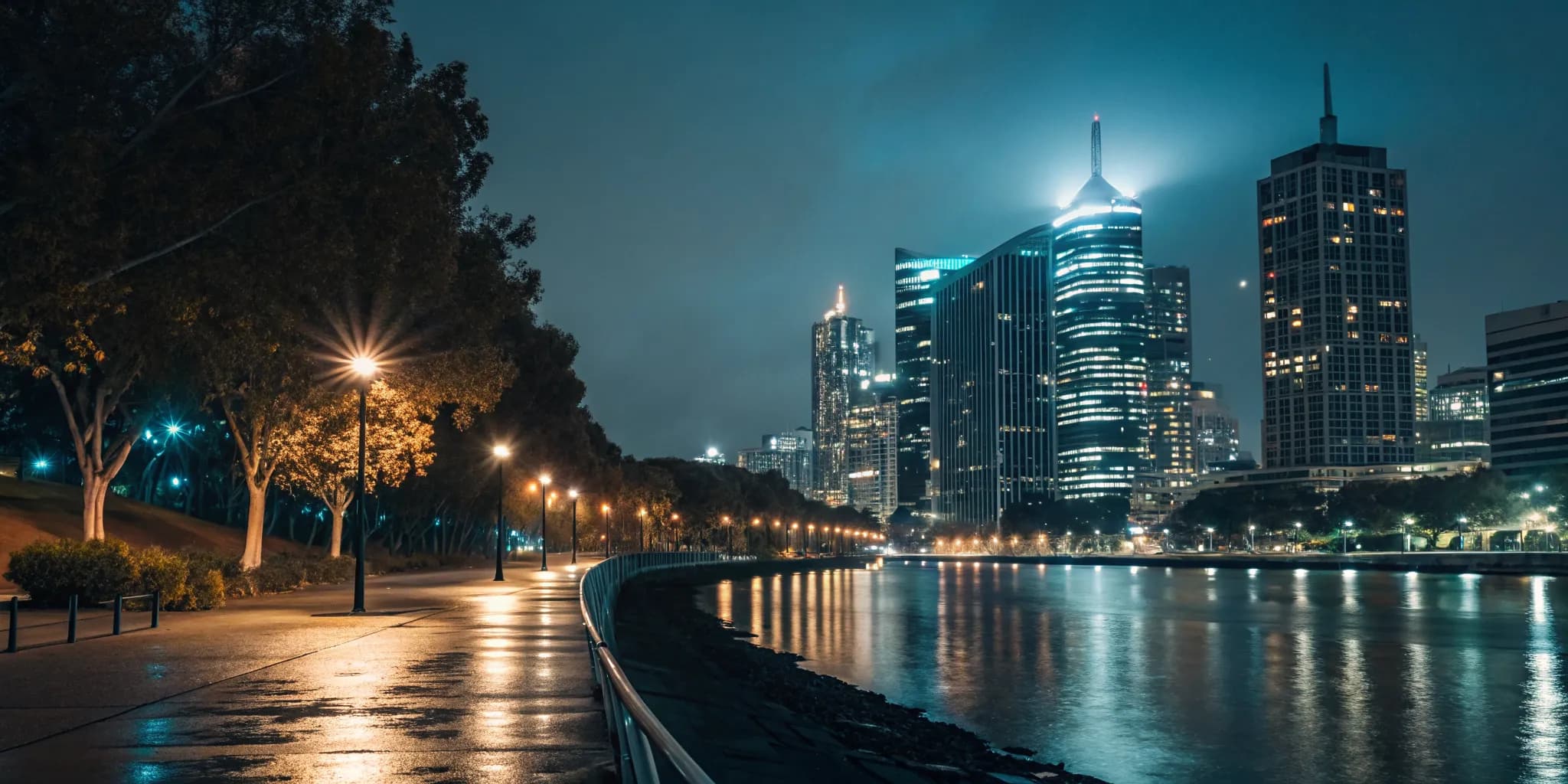
When was the last time you stood outside and could clearly see the Milky Way stretching across the sky? For most of us, especially in North America and Europe, the answer is likely never, at least not from home. For millennia, the starry night sky was a source of wonder, navigation, and cultural storytelling for humanity. Today, that shared heritage is being washed away by a hazy, orange glow. This phenomenon, called light pollution, has disconnected an entire generation from the cosmos. We are losing more than just a pretty view; we are losing a fundamental connection to the universe and our place within it.
Key Takeaways
- Understand the true cost: Light pollution is more than just missing the stars; it's a serious issue that wastes billions in energy, disrupts human sleep cycles, and harms entire ecosystems by confusing wildlife.
- Make simple changes at home: You can fight light pollution immediately by using shielded fixtures that direct light down, choosing warm-toned bulbs (2700K or less), and installing motion sensors or timers so lights are only on when necessary.
- Bring your community together: Individual actions are a great start, but real change happens at a larger scale. Encourage your town to adopt smart lighting policies and educate your neighbors to help reclaim the night sky for everyone.
What Is Light Pollution?
We tend to think of light as a good thing. It keeps our streets safe, lets us work and play after sunset, and makes our cities feel alive. But there’s a point where our love for light crosses a line, creating a widespread but often overlooked environmental issue. This is where we get into the topic of light pollution, which is essentially the presence of excessive or misdirected artificial light in the night environment.
It’s not about getting rid of lights altogether. It’s about being smarter with how we use them. When light is poorly designed, inefficiently used, or just plain unnecessary, it stops being helpful and starts causing problems. It spills into places it isn’t wanted, washes out the stars from our sky, and disrupts the natural world in ways we’re only beginning to fully understand. From the single streetlight outside your window to the collective glow of an entire city, our artificial light has a major impact.
When Good Light Goes Bad
So, what does light pollution actually look like? It comes in a few different forms you’ve probably noticed without knowing their names. The most obvious is sky glow, that hazy, orange-ish dome of light that hangs over cities and suburbs at night, making it impossible to see more than a few stars.
Then there’s light trespass, which is when light from one property spills over into another where it isn't wanted. Think of a neighbor's security light shining directly into your bedroom. Over-illumination is simply using way more light than necessary for a task, like using stadium-level floodlights to illuminate a small driveway. Finally, light clutter refers to the confusing and excessive groupings of bright lights you often see in urban centers.
How Big Is the Problem?
This isn't just a minor annoyance for a few astronomers. Light pollution affects the vast majority of us. About 83% of the world's population, and a staggering 99% of people in the United States and Europe, live under light-polluted skies. Think about it: when was the last time you could clearly see the Milky Way with your own eyes? For an estimated 80% of North Americans, the answer is never, at least not from their homes.
And the problem is growing. From 2012 to 2016, the amount of artificially lit outdoor area grew by 2.2% each year, with those areas also getting brighter at the same rate. We are lighting up more of the planet every year, steadily erasing the natural darkness our world needs.
Four Types of Light Pollution
When we talk about light pollution, it’s not just a single problem. It’s a catch-all term for the different ways our artificial light goes wrong. Understanding these specific types helps us see how widespread the issue is and what we can do about it. Most light pollution falls into one of four main categories, each with its own unique impact on our environment and our lives.
Skyglow
Have you ever noticed a bright, hazy dome of light over a city at night? That’s skyglow. It happens when all the light from streetlights, buildings, and signs shines upward, reflects off particles in the atmosphere, and scatters, creating a persistent glow. This artificial twilight washes out the night sky, making it nearly impossible to see the stars or the Milky Way from urban and suburban areas. It’s the most widespread form of light pollution and the reason why many of us have lost our connection to the cosmos. The International Dark-Sky Association works to raise awareness about how skyglow erases our view of the universe.
Glare
Glare is that sharp, uncomfortable brightness that makes you squint or look away. It comes in a few forms. There’s blinding glare, which is so intense it’s like looking at the sun. Then there’s disability glare, like when oncoming headlights make it impossible to see the road ahead. Finally, there’s discomfort glare, which is simply annoying and can cause eye fatigue over time, like a poorly aimed porch light that shines right in your eyes. More than just a nuisance, glare can create serious safety hazards, especially for drivers and pedestrians trying to see clearly at night.
Light Trespass
Light trespass, sometimes called light spill, is exactly what it sounds like: light that goes where it isn’t wanted. The most common example is a neighbor's security light or a nearby streetlight shining directly into your bedroom window, disrupting your sleep. This unwanted illumination intrudes on your property and your privacy. It’s a quality-of-life issue that turns a tool meant for safety or convenience into a source of frustration. Solving light trespass is often as simple as aiming and shielding fixtures properly so the light only falls where it’s needed.
Light Clutter
Light clutter is the visual chaos created by an excessive and confusing group of bright lights. Think of a busy commercial street where every storefront is competing for attention with glaring signs, flashing lights, and overly bright displays. This jumble of light sources can be distracting and overwhelming, especially for drivers who need to spot road signs and potential hazards. Instead of making an area safer, light clutter can contribute to accidents by creating confusion. It’s a perfect example of how more light isn’t always better; smarter, more organized lighting is far more effective.
What Causes Light Pollution?
Light pollution isn't some mysterious force. It’s a direct result of our modern lives, but its causes are surprisingly straightforward. At its core, the problem comes down to three main things: the rapid growth of our cities, the widespread use of poorly designed lighting, and a simple human habit of using way more light than we actually need. It’s not about blaming progress or turning off all the lights. Instead, understanding these root causes is the first step toward finding smart, simple solutions that work for everyone.
Growing Cities, Brighter Nights
As towns and cities expand, so does their glow. Every new housing development, shopping center, and roadway brings more artificial light with it. This urban sprawl is the primary driver of skyglow, the bright haze that hangs over metropolitan areas and blots out the stars. The effect is so widespread that for many people, a truly dark night sky is something they’ve never experienced. Organizations like the International Dark-Sky Association work to protect the few remaining pristine skies, often found in remote national parks. The contrast is stark: while these protected areas offer breathtaking views of the cosmos, nearby cities are bathed in a perpetual twilight that fundamentally changes the natural environment.
The Problem with Poor Lighting Design
A huge part of the light pollution problem isn't the light itself, but how we direct it. Much of our outdoor lighting is incredibly inefficient. Think of unshielded streetlights or floodlights that cast light in all directions, including straight up into the sky. This is wasted light and wasted energy. It does nothing to improve safety or visibility on the ground where it's needed. The main culprits are common fixtures we see every day: street lamps, parking lot lights, and illuminated billboards. The good news is that this is a design problem, and design problems have solutions. By simply shielding light fixtures to direct light downward, we can significantly reduce skyglow and light trespass without sacrificing safety.
Our Habit of Over-Lighting Everything
We have a tendency to overdo it with light. This habit shows up in a few different ways. The first is over-illumination, which is simply using more light than necessary for a task. For example, using intensely bright floodlights to illuminate a small walkway. Then there’s light trespass, which happens when unwanted light spills onto an adjacent property, like when a neighbor's security light shines into your bedroom. Finally, especially in urban centers, we see light clutter. This is the confusing, excessive grouping of bright lights, like rows of competing neon signs. These practices don't just contribute to skyglow; they create glare and visual chaos, often making it harder, not easier, to see.
How Light Pollution Affects Your Health
It turns out that our bodies need darkness just as much as they need light. Constant exposure to artificial light, especially at night, can throw our internal systems out of whack in some pretty serious ways. Our bodies have evolved over millennia to follow the sun's natural cycle of light and dark. When we introduce bright, artificial light after sunset, we send confusing signals to our brains and bodies, which can lead to a cascade of health issues, from poor sleep to more significant long-term risks. Let's walk through exactly how this happens.
Disrupting Your Sleep and Natural Rhythms
Your body runs on an internal 24-hour clock, often called a circadian rhythm. This clock tells you when to wake up, when to feel tired, and when to perform countless other biological functions. Light is the main cue that keeps this clock on schedule. When you’re exposed to light at night, it can disrupt our natural sleep-wake cycles, tricking your brain into thinking it’s still daytime. This can make it harder to fall asleep and reduce the quality of the sleep you do get. The immediate effects are often familiar: headaches, daytime fatigue, irritability, and stress. Over time, chronic sleep disruption can weaken your immune system and affect your overall well-being.
The Link to Hormonal Imbalance and Disease
One of the most important things that happens in the dark is the production of melatonin, a hormone that helps regulate your sleep cycle. Artificial light at night, particularly blue light from screens and LED bulbs, is very effective at stopping your body from making it. This is a problem because melatonin does more than just make you sleepy. Lower melatonin levels are linked to a higher risk for serious health conditions. Research shows that when artificial light messes with our body's natural 24-hour cycle, it can contribute to problems like heart disease, insomnia, and even certain types of cancer.
Impacts on Your Mental Health
The connection between light, sleep, and health extends to your mind, too. Poor sleep is a well-known contributor to mood disorders, and the hormonal and cyclical disruptions caused by light pollution can play a direct role. Studies suggest a link between high levels of exposure to artificial light at night and an increased risk for obesity, mental health issues, and diabetes. The evidence is so compelling that the International Agency for Research on Cancer has even classified overnight shift work, which involves profound disruption of the natural light-dark cycle, as a probable cause of cancer in humans. It’s a clear signal that respecting our natural rhythms is essential for both physical and mental health.
How Light Pollution Harms Wildlife and Ecosystems
It’s not just our own health that’s on the line. For millennia, wildlife and plants have evolved with the predictable rhythm of sunlight and moonlight. The constant glow from our cities and towns disrupts these ancient cycles, throwing entire ecosystems out of balance. From the sky to the sea, artificial light at night is creating serious problems for the animals and plants we share the planet with.
Confusing Migrating Birds
Many bird species migrate at night, using the moon and stars to find their way. Unfortunately, the bright, artificial lights from our cities can act like a confusing beacon, causing them to become disoriented. This disorientation leads them to circle illuminated buildings for hours until they drop from exhaustion or collide with structures. The scale of this problem is staggering, with estimates suggesting that hundreds of millions of birds die from these collisions every year in North America alone. It’s a heartbreaking consequence of our brightly lit world, turning a bird’s incredible journey into a deadly trap.
Harming Insect Populations
If you’ve ever seen moths frantically circling a porch light, you’ve witnessed a small piece of a much larger issue. Artificial lights are fatal attractions for countless nocturnal insects. This constant draw disrupts their feeding, mating, and movement, contributing to a noticeable drop in insect populations. This isn't just bad news for the insects; it creates a ripple effect through the food web. Animals like bats, birds, and frogs that rely on insects for food find their meals are becoming scarcer. The decline of these tiny creatures threatens the stability of the entire ecosystem.
Threatening Marine Life
For sea turtles, a dark beach is essential for survival. The bright lights from coastal developments can deter female turtles from coming ashore to lay their eggs. Even if they do nest, the trouble is just beginning for the next generation. When baby turtles hatch, their instinct is to scurry toward the brightest horizon, which should be the moonlit ocean. Instead, artificial lights from roads and buildings lure them inland, where they often die from dehydration, exhaustion, or predators before ever reaching the water.
Upsetting the Predator-Prey Balance
The darkness of night provides essential cover for both predators and prey. Nocturnal hunters rely on the shadows to stalk their next meal, while other animals use the dark to hide from those hunting them. Light pollution completely changes this dynamic. It creates an environment where prey animals have fewer places to hide, making them more vulnerable. At the same time, it can disrupt the natural hunting behaviors of predators, making it harder for them to find food. This fundamental shift in the predator-prey relationship can destabilize local wildlife populations.
Changing How Plants Grow
Animals aren't the only ones affected; plants are also sensitive to light. Trees and other plants use the changing length of days as a cue for their seasonal cycles, like knowing when to grow leaves in the spring or drop them in the fall. Constant exposure to artificial light can confuse them, altering their growth patterns and preventing them from properly preparing for winter. This not only harms the plants themselves but also impacts the many animals that depend on them for food and shelter, showing just how deeply light pollution affects every part of an ecosystem.
The Hidden Costs of Light Pollution
Beyond the effects on our health and the natural world, light pollution carries some serious hidden costs. These consequences aren't always obvious, but they impact our wallets and our connection to the world around us. From wasted energy bills to the loss of a simple, profound human experience, the price of our overly bright nights is higher than you might think.
Wasting Energy and Money
All that light shining up into the sky isn't just an environmental issue; it's a huge waste of money and energy. Think about it: every unshielded streetlight and poorly aimed floodlight is essentially burning cash. Research shows that about a third of all outdoor lighting is completely wasted, pointing nowhere useful. This adds up to a staggering $2.2 billion each year. Generating the electricity for that wasted light also pumps about 15 million tons of carbon dioxide into the atmosphere annually. Adopting more efficient lighting isn't just good for the planet; it's a financially smart move that reduces unnecessary spending and resource consumption.
Losing Our View of the Stars
The other major cost is something less tangible but just as important: our view of the night sky. For most of human history, looking up meant seeing a brilliant blanket of stars. Today, that experience is becoming a rarity. Because of widespread light pollution, an estimated one-third of the world's population can no longer see the Milky Way, including 80% of people in North America. This isn't just about missing out on a pretty sight. It disconnects us from the universe, erases a source of wonder that has shaped cultures for millennia, and makes astronomical research much more difficult. We're losing a fundamental part of our shared human heritage, one star at a time.
How You Can Reduce Light Pollution
Feeling overwhelmed by the scale of the problem? Don't be. Just like building a website can start with a single idea, reclaiming our night skies starts with small, individual actions. The good news is that light pollution is one of the easiest forms of pollution to reverse. When we use light more thoughtfully, the effects are immediate. Here are four simple and effective ways you can make a difference, starting right at home.
Install Shielded Light Fixtures
One of the most impactful changes you can make is to ensure your outdoor lights only shine where they’re needed: down. Many fixtures, like unshielded porch lights or globe-shaped lamps, scatter light in all directions, including up into the sky. This is the primary cause of skyglow.
The solution is to use shielded, or "full cut-off," fixtures that have a solid cap on top and direct all their light downward. This simple design prevents waste and protects the night sky. Implementing shielded lighting is a key strategy that can significantly reduce the harmful effects of light pollution on local wildlife and ecosystems. When shopping for outdoor lights, look for products that are labeled as "Dark Sky Approved" to be sure you're making a good choice.
Choose Warmer, Smarter Light Bulbs
The color of your light matters just as much as its direction. Many modern LED lights produce a harsh, blue-rich white light that scatters more easily in the atmosphere, contributing significantly to skyglow and disrupting our circadian rhythms. It’s this type of light that’s particularly harmful to both human health and wildlife.
Instead, DarkSky International recommends choosing warmer, amber-toned bulbs. When you're buying new bulbs, check the packaging for the color temperature, measured in Kelvin (K). Aim for bulbs rated at 2700K or lower. These emit a soft, warm glow that is less disruptive to the night environment. Not only is it better for the planet, but it also creates a more pleasant and inviting atmosphere for your home.
Use Motion Sensors and Timers
Does your driveway or backyard really need to be lit up all night long? For most of us, the answer is no. A great way to cut down on unnecessary light is to use it only when and where it’s needed. Installing motion sensors on outdoor security lights ensures they only turn on when someone is present, providing safety without constant light pollution.
Similarly, putting your decorative or landscape lights on a timer can ensure they switch off automatically late at night. Experts suggest you should use motion sensors and timers so lights remain off when spaces are unoccupied. This approach is a win-win: it reduces light trespass and skyglow while also cutting down on your electricity bill. It’s a smart, simple way to have light exactly when you need it and darkness when you don’t.
Adopt Simple, Light-Saving Habits
Technology can help, but our daily habits are just as powerful. The simplest way to reduce light pollution is to just turn off lights when you aren't using them. This applies both inside and out. Before you go to bed, take a moment to turn off all non-essential interior and exterior lights. Closing your curtains or blinds at night also helps, as it keeps your indoor light from spilling outside and contributing to light trespass.
These small actions add up. Using too much light wastes a tremendous amount of electricity, which has both financial and environmental costs. By being more mindful of our light usage, we can save energy, reduce our carbon footprint, and take a meaningful step toward preserving the beauty of the night sky for everyone to enjoy.
How Communities Can Take Action
While your personal choices make a real difference, tackling light pollution on a larger scale requires teamwork. When neighbors, local businesses, and city leaders come together, you can create widespread, lasting change. Community action is about protecting our shared environment and reclaiming the beauty of the night sky for everyone. Here are a few powerful ways your community can get organized and start making an impact.
Adopt Smart Lighting Policies
One of the most effective steps is to advocate for smarter lighting ordinances in your town or city. This doesn’t mean turning all the lights off; it means using light more intelligently. Communities can implement policies that require shielded fixtures that direct light downward, where it's needed, instead of up into the sky. These policies can also encourage the use of warmer-toned bulbs and mandate that non-essential lights, like those on decorative buildings or in empty parks, are turned off after a certain hour. Pushing for these changes with your local government helps create a standard for responsible lighting that benefits everyone.
Pursue Dark Sky Designations
For a truly ambitious goal, your community can work toward becoming an officially recognized International Dark Sky Place. This special designation is awarded to towns, cities, and parks that show an exceptional commitment to preserving the night. It’s a fantastic way to protect nocturnal habitats, promote science, and even attract tourism from stargazers. The process involves a community-wide effort to adopt quality lighting ordinances and educate residents. It’s a powerful statement that your community values the natural wonder of a starry sky and is dedicated to protecting it for future generations to enjoy.
Launch Awareness Campaigns
Change often begins with a conversation. Many people simply aren't aware of light pollution or its consequences. You can start an awareness campaign to educate your neighbors about issues like skyglow, light trespass, and the energy wasted by over-illumination. You could host a stargazing party, speak at a town hall meeting, or write to your local newspaper. You could even use a tool like the lit-365.com Airo AI Builder to create a simple website for sharing resources and organizing local efforts. When people understand the problem, they are much more likely to support the solutions and advocate for new policies.
Can We Get Our Night Skies Back?
With an estimated 99% of people in the United States living under light-polluted skies, it’s easy to feel like the brilliant, starry nights of the past are gone for good. Looking up at a hazy, orange-tinged sky can be disheartening, but the situation is far from hopeless. Unlike other forms of pollution that can linger in the environment for decades, light pollution is almost entirely reversible. The moment we turn off or fix a poorly designed light, the pollution from that source vanishes.
The path to clearer skies isn't a secret. It comes down to being more intentional with how we illuminate our world. Simple, effective strategies can make a huge difference. Efforts like implementing shielded lighting that directs light downward where it’s needed, adjusting the color and intensity of bulbs, and turning off non-essential lights can dramatically cut down on skyglow and glare. These aren’t just theories; they are practical steps that communities are already taking.
We're not in this alone, either. Groups like the International Dark-Sky Association are leading the charge to protect our view of the cosmos by helping establish dark-sky preserves. These protected areas are a testament to what’s possible when we prioritize the preservation of natural darkness. Restoring the night isn't just for stargazers. When we reduce our light footprint, we also help wildlife whose natural cycles of migration and reproduction are disrupted by artificial light. Getting our night skies back is a choice we can make together, one light at a time.
Related Articles
- How to Reduce Light Pollution at Home and in Your Community
- Light Pollution and Wildlife: How Artificial Light Affects Animals
- The Hidden Costs of Light Pollution
- Why We Hate Light Pollution (and How We Can Stop It)
- What Is an International Dark Sky Place?
Frequently Asked Questions
Is all outdoor light considered pollution? Not at all. The problem isn't light itself, but rather how we use it. Thoughtful lighting that is aimed correctly, shines only when needed, and isn't excessively bright is a useful tool. Light becomes pollution when it's wasted, for example, by shining up into the sky, creating harsh glare, or spilling onto neighboring properties where it isn't wanted. The goal is to be smarter with our light, not to eliminate it.
Will using less light make my property less safe? This is a common concern, but smarter lighting can actually increase safety. The key is to eliminate glare and illuminate areas effectively. A shielded fixture that points light down at the ground prevents blinding glare, which can create dark shadows and make it harder to see. Using motion sensors for security lights is also a great strategy, as it provides light exactly when it's needed for safety and can startle potential intruders.
I want to help, but I'm on a budget. What's the easiest first step? The most effective first step is completely free: simply turn off lights when they aren't in use. Before you go to bed, make it a habit to switch off any non-essential exterior lights. You can also close your curtains and blinds at night. This simple action prevents your indoor lighting from spilling outside and contributing to light trespass and skyglow. It costs nothing and has an immediate positive effect.
The post mentions LED lights. Aren't they supposed to be better for the environment? While LEDs are very energy-efficient, their environmental benefit depends on the type you choose. Many early or inexpensive LEDs produce a harsh, blue-rich white light that contributes more to skyglow and is more disruptive to wildlife and human sleep cycles. The good news is that you can now find energy-efficient LEDs in warmer, amber tones (look for a color temperature of 2700K or less) that are much better for the night environment.
How can I tell if my own outdoor lights are part of the problem? A quick check at night can tell you a lot. Stand on your street or sidewalk and look at your home's lights. Can you see the bare bulb from a distance? If so, it's likely creating glare. Does the light fixture cast a lot of light upward toward the sky or sideways onto your neighbor's property? If it does, it's contributing to skyglow and light trespass. A well-designed light should cast its illumination downward, only lighting the intended area.