
2026-09-10
How Does LED Lighting Financing Work for Businesses?
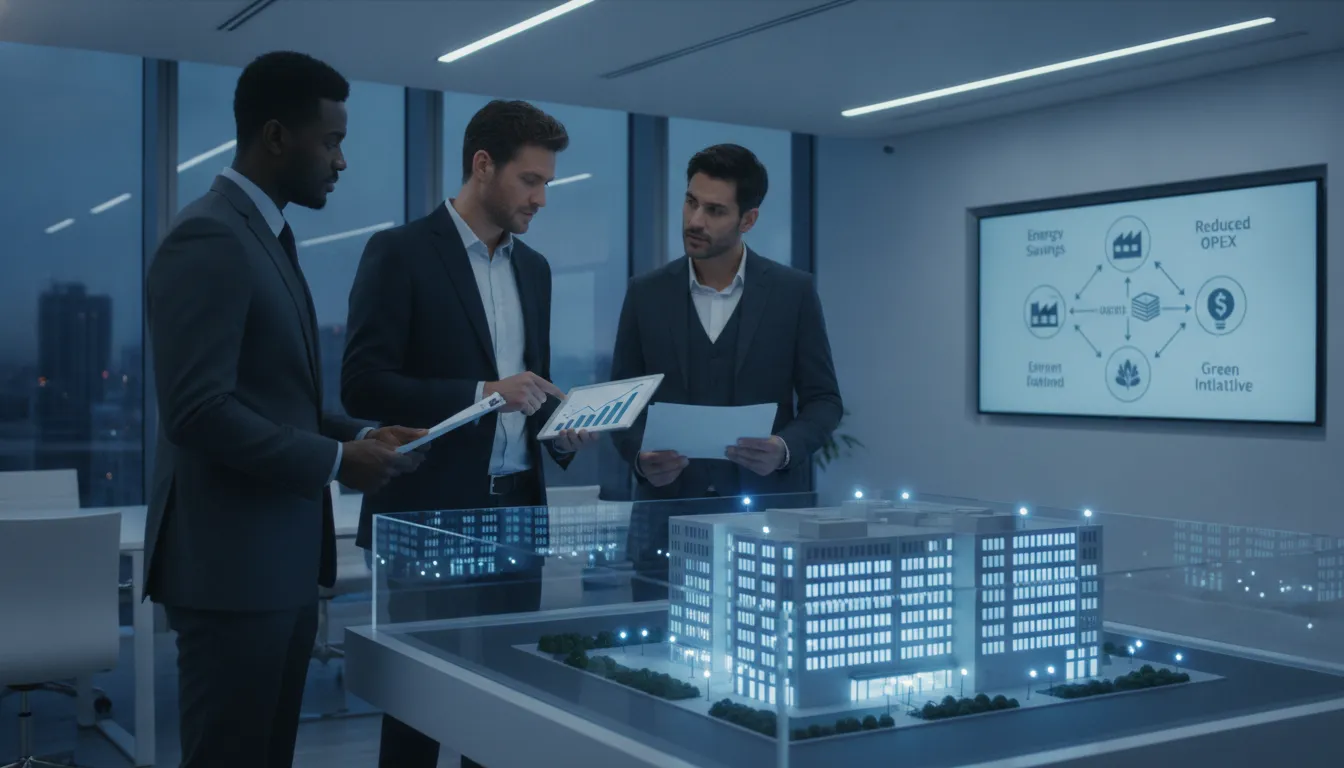
An LED upgrade often includes much more than swapping old bulbs for new ones. Your project may require new fixtures, wiring adjustments, timers, sensors, scheduling software, electrical work, professional installation, and system testing. Permanent outdoor lighting can add even more detail, especially when a property needs everyday accent lighting, holiday scenes, color changes, or automated schedules. Understanding how does led lighting financing work can help you plan the full project instead of focusing only on fixture prices. Financing may spread the cost over time, while lower energy use and fewer service calls may help offset payments. Before signing, compare the total repayment with projected savings, available rebates, warranty coverage, and ongoing service needs.
Key Takeaways
- Evaluate the full financing agreement: Compare total repayment, fees, contract length, ownership, early payoff rules, and end-of-term obligations, not just the monthly payment.
- Include every project expense: Confirm that quotes cover fixtures, controls, installation, electrical work, permits, commissioning, maintenance, and any outdoor lighting requirements.
- Verify savings and incentives: Review utility bills, operating hours, maintenance costs, rebate rules, and performance assumptions, then document all responsibilities and savings expectations before signing.
What Is LED Lighting Financing: And Why Use It?
LED lighting financing lets a business pay for an energy-efficient lighting upgrade over time instead of covering the full project cost upfront. Depending on the agreement, financing may include fixtures, lighting controls, scheduling systems, professional installation, removal of old equipment, commissioning, and related electrical work.
This approach can make a larger project easier to manage financially, especially for businesses updating warehouses, offices, retail spaces, parking areas, or exterior lighting. A well-planned system may also reduce electricity use, maintenance demands, and the time employees spend replacing failed bulbs or arranging seasonal lighting work.
Before choosing a plan, consider more than the monthly payment. Review the total project cost, expected energy and maintenance savings, ownership terms, contract length, fees, and responsibilities after installation. You should also confirm whether rebates or other incentives can reduce the amount financed.
Finance equipment, controls, installation, and commissioning over time
A lighting project usually involves more than purchasing LED fixtures. The scope may include system design, wiring adjustments, occupancy or daylight sensors, timers, color-changing controls, installation labor, inspections, and commissioning. Commissioning means testing the system to confirm that fixtures, controls, schedules, and safety features work correctly.
Financing can combine these expenses into one project instead of requiring separate payments to manufacturers, electricians, and installers. For businesses adding permanent outdoor lighting, the project may include low-profile fixtures, programmable colors, holiday scenes, scheduling software, and professional installation.
Ask exactly what the agreement covers before signing. Some providers finance equipment only, while others include installation and related services. LED lighting financing programs can help spread project costs across regular payments, but the contract should identify every included item and any expense that remains your responsibility.
Compare ownership, payments, and cash flow
The right financing structure depends on whether your business wants to own the lighting system immediately, own it after repayment, or use it without taking ownership. A loan generally gives the business ownership from the start. An equipment lease may provide use of the system during the payment period, with ownership determined by the agreement.
Look beyond the advertised monthly payment. Compare the interest rate, fees, deposit, contract length, total repayment, early payoff rules, and end-of-term options. A lower payment may come with a longer term and a higher overall cost. Fixed payments can make budgeting easier, while a larger upfront contribution may reduce the amount financed.
Preserving cash flow is often a key reason businesses consider financing. Instead of using working capital for one large purchase, the company can keep funds available for payroll, inventory, repairs, and other priorities. Comparing leasing and ownership options can clarify how each structure affects system control and cash reserves.
Use energy and maintenance savings to repay financing
LED lighting typically uses less electricity than older fluorescent, metal halide, halogen, or incandescent systems. LEDs can also last longer, which may reduce replacement purchases, lift rentals, service calls, and interruptions to daily operations. These savings can help offset financing payments, although results depend on operating hours, utility rates, fixture quality, and the condition of the existing system.
Request a project-specific estimate instead of relying on a general savings claim. The estimate should compare current energy use and maintenance costs with the expected performance of the proposed LED system. For outdoor lighting, include seasonal schedules, overnight operation, dimming, motion controls, and decorative displays when calculating expected usage.
Some projects generate enough monthly utility savings to cover part or most of the new payment. LED financing guidance from Ecolights recommends comparing expected savings with the full financing cost, not just the fixture price. Treat savings as projections unless the agreement includes a written performance guarantee.
Clear up myths about upfront costs, credit, eligibility, and savings guarantees
LED fixtures can cost more initially than basic replacement bulbs, but the purchase price is only one part of the calculation. Energy consumption, maintenance labor, replacement frequency, equipment life, and available incentives all affect the project’s long-term cost. A professional assessment may show that a higher-quality system costs less to operate over its useful life.
Financing is not limited to large corporations, but approval requirements vary. Lenders and lessors may review business revenue, time in operation, credit history, property ownership or tenancy, utility records, and project size. Rebates may also require specific product certifications, installation dates, or preapproval before equipment is purchased.
Be careful with guaranteed-savings language. A projected return is based on assumptions, while a performance-based agreement may place responsibility on the provider if measured savings fall short. Ask how savings will be calculated, which data will be used, and what happens if utility rates, operating hours, or building use changes. Put every assumption and responsibility in writing before approving the project.
Compare LED Lighting Financing Options for Businesses
Financing can make a commercial LED upgrade easier to manage, especially when replacing fixtures across a warehouse, office, retail location, parking area, or outdoor property. Instead of paying the full project cost upfront, your business can spread payments over time while using lower energy bills and reduced maintenance needs to support the investment. LED systems generally use less electricity and last longer than traditional lighting products, which can reduce utility and replacement costs. ELEDLights explains how LED efficiency and longer service life contribute to long-term savings.
The right financing option depends on more than the interest rate. Compare who owns the equipment, when payments begin, whether a deposit is required, how incentives are applied, and what happens if fixtures need repairs or replacement. Include controls, scheduling, installation, commissioning, permits, and outdoor lighting requirements in your comparison. A lower monthly payment may come with a longer term and higher total repayment, while a shorter term may place more pressure on your monthly budget.
Ask each financing provider and lighting contractor for the full project cost, estimated savings, payment schedule, fees, and end-of-term obligations. Compare those figures with your cash flow, expected operating hours, property plans, and available rebates before choosing a structure.
LED lighting loans: own the system after repayment
A traditional equipment loan allows your business to borrow money for LED fixtures, controls, installation, and related project costs. You make scheduled payments over an agreed term, then own the system after repaying the loan. This structure can work well for property owners who expect to remain in the building and want long-term control over their lighting system.
Ownership gives you more flexibility when adjusting lighting schedules, adding controls, or replacing individual components. Once the loan ends, your business can continue using the system without lease payments. Energy and maintenance savings may help offset the monthly cost, although your business remains responsible for repairs and ongoing performance unless service is included separately.
Compare the annual percentage rate, origination fees, collateral requirements, prepayment rules, and total repayment amount. Confirm whether the lender will finance the complete project, including labor and installation, or only the equipment.
Equipment leases: spread payments before ownership
An equipment lease spreads the cost of a lighting installation across a set period. This can reduce the upfront cash required for a large project and make payments easier to plan. Lease terms may range from one to seven years, depending on the provider, project size, and business qualifications. Axis Leasing describes LED financing for schools and businesses, including terms structured around project needs and customer budgets.
Review the ownership terms carefully before signing. Some leases transfer ownership automatically after the final payment, while others include a buyout amount, renewal option, or return requirement. The agreement should also explain who handles repairs, replacement parts, inspections, and upgrades during the lease.
A lease may suit businesses focused on preserving cash reserves, but the lowest monthly payment is not always the least expensive choice. Compare the total repayment, taxes, administrative fees, buyout cost, and any restrictions on modifying or removing the equipment.
On-bill financing: repay through utility bills
On-bill financing adds repayment to your regular utility bill. Instead of making a separate loan or lease payment, your business pays for the lighting upgrade through the utility account over time. This can simplify administration and connect the project cost directly to the property receiving the energy savings.
Programs vary by utility and location. Some are limited to qualifying commercial customers, while others require an energy assessment, an approved contractor, or specific equipment. Payment terms and interest rates may also differ. Lighting Project Management explains how on-bill financing spreads energy-efficiency costs over time, with some programs structuring payments around expected savings.
Ask whether the obligation stays with the business, the property, or the utility account if ownership changes. Confirm what happens if the building is sold, leased to a new tenant, or disconnected from the program. Find out whether late utility payments could affect service or trigger additional fees.
Performance-based financing: tie payments to measured or projected savings
Performance-based financing connects payments to the energy savings expected from the LED upgrade. Depending on the program, calculations may use projected savings, measured performance, or both. This approach may appeal to businesses that want to preserve cash reserves or avoid using an existing credit line.
Some programs consider expected energy performance alongside the company’s credit history. Ecolights explains how projected energy savings may factor into LED financing decisions. Approval is not automatic, and the provider may still require financial records or a minimum operating history.
Review the savings model closely. It should identify baseline energy use, operating hours, utility rates, maintenance assumptions, equipment specifications, and the measurement method. Ask whether payments change if the system underperforms, utility rates shift, operating hours decrease, or part of the building becomes vacant. Make sure the contract clearly separates projected savings from guaranteed savings.
Combine financing with rebates, grants, tax incentives, and utility programs
A rebate or incentive can reduce the amount your business needs to finance. In many cases, the incentive is applied to the project cost first, and financing covers the remaining balance. This may lower monthly payments or shorten the repayment period. Qualifying projects may also be eligible for grants, tax incentives, demand-reduction programs, or special utility rates.
Do not assume an incentive will remain available after installation. Programs may require preapproval, approved products, an eligible contractor, or an application before equipment is purchased. Ecolights recommends checking program requirements before combining rebates with LED financing.
Ask who receives the incentive, when it is paid, and how it affects your agreement. The rebate may reduce a loan balance, lower lease payments, reimburse your business, or appear as a utility bill credit. Compare the gross project cost, incentive amount, net cost, and total repayment to understand the actual financial impact.
Match financing to credit, utility access, project size, and cash flow
The most suitable financing structure depends on your business’s financial position and project size. A newer company may need a larger deposit or additional documentation, while an established business may qualify for more flexible terms. Property ownership, lease length, utility provider, and the expected time in the building can also affect your options.
Start by identifying how much cash your business can commit upfront and what monthly payment fits comfortably within your budget. Then compare loans, leases, on-bill programs, and performance-based plans using the same project scope. Include fixtures, controls, installation, permits, commissioning, inspections, and ongoing service in every quote.
Gather recent utility bills, business financial records, property details, fixture counts, and an estimate from a qualified lighting contractor. Ecolights advises businesses to compare financing options and check for available rebates before proceeding. Ask what happens if the utility program ends, ownership changes, installation is delayed, or actual savings differ from the estimate. Put every obligation, savings assumption, incentive, and payment term in writing.
How Does LED Lighting Financing Work?
LED lighting financing helps businesses complete a lighting upgrade without paying the full project cost upfront. Depending on the agreement, financing may cover fixtures, controls, installation, electrical work, commissioning, and related services. The business then repays the amount through scheduled payments, a utility bill, or a structure connected to projected project savings.
The process starts with a clear picture of the existing lighting system. A professional review helps identify which fixtures should be replaced, how much energy the business uses, and where maintenance costs are creating an ongoing burden. It also gives lenders, utilities, and contractors the information they need to evaluate the project.
For commercial properties, the project may include parking lot lights, building-mounted fixtures, signage, landscape lighting, security lighting, or programmable seasonal displays. Businesses should evaluate the full cost of ownership, including equipment, installation, maintenance, financing fees, and expected savings. The steps below can help you prepare a more accurate project plan and compare financing offers with confidence.
Assess fixtures, operating hours, energy use, and maintenance costs
Begin with a lighting audit that records the type, quantity, wattage, location, and condition of every existing fixture. Include interior lights, parking lot fixtures, wall-mounted lights, signs, landscape lighting, and any equipment included in the proposed upgrade. Note which fixtures are difficult to access or require specialized equipment for servicing.
Record operating hours for each area. A fixture used 12 hours per day may offer greater energy savings than one used occasionally. Also review several months of utility bills to establish a baseline for energy use, demand charges, and total lighting-related costs.
Maintenance records are equally important. Include lamp replacements, ballast failures, service calls, lift rentals, and labor costs. Frequent repairs can make an older lighting system more expensive than it appears. The U.S. Department of Energy’s LED lighting guidance explains how LED products can reduce energy use and maintenance needs when they are selected and installed correctly.
Define the upgrade scope, including outdoor fixtures, controls, scheduling, and installation
Next, decide exactly what the project includes. A commercial LED upgrade may cover offices, warehouses, retail spaces, exterior walls, parking areas, signs, and decorative or seasonal lighting. Outdoor fixtures require careful planning because weather exposure, mounting height, light distribution, and local requirements affect product selection and installation costs.
Determine whether the project will include occupancy sensors, daylight controls, timers, dimming, remote management, or automated scheduling. These features can reduce unnecessary operating hours and make it easier to manage lighting across multiple areas or properties.
The written scope should identify fixture models, quantities, controls, electrical work, permits, removal of old equipment, disposal, installation, programming, testing, and training. It should also state whether the contractor will handle rebate paperwork and inspections. A detailed scope gives financing providers a more reliable project cost and helps reduce unexpected change orders.
Estimate costs, energy savings, maintenance savings, and payback
Ask the contractor or energy consultant to separate the project into clear cost categories. These may include equipment, controls, wiring, lifts, labor, design, permitting, disposal, commissioning, and ongoing service. This breakdown makes it easier to compare quotes and determine which expenses financing will cover.
Estimate energy savings using actual operating hours, utility rates, fixture wattage, and the proposed control settings. Maintenance savings may include fewer lamp replacements, reduced service calls, lower lift rental costs, and less labor spent troubleshooting equipment. Use conservative assumptions when operating schedules or future utility rates are uncertain.
The simple payback period compares the project’s net cost with expected annual savings, but it should not be the only factor considered. Also review equipment life, warranty coverage, lighting quality, employee or customer comfort, safety, and the value of reducing recurring maintenance work. ENERGY STAR’s commercial lighting resources can help businesses evaluate efficient products and lighting controls.
Check rebate eligibility, product requirements, and preapproval rules
Utility companies, states, municipalities, and energy agencies may offer incentives for qualifying commercial LED projects. Program rules often specify eligible product types, efficiency levels, control features, installation dates, and customer categories. Some programs require written preapproval before equipment is purchased or installation begins.
Do not assume that every LED product qualifies. Eligibility may depend on the exact model, light output, color characteristics, control system, or certification listed in the program documents. Outdoor fixtures may have different requirements from indoor products, while decorative or custom lighting may receive different treatment from standard commercial equipment.
Use the DSIRE incentive database to find possible state and local programs, then confirm current terms with the utility or program administrator. Ask who submits the application, when the incentive is paid, and whether it reduces the project price, financing balance, or future utility bill. Keep copies of all approvals and product documentation.
Gather business, property, utility, and project documents
Financing providers and rebate administrators typically need documents that confirm the applicant, property, existing system, and proposed work. Gather recent utility bills, business registration information, tax identification details, property ownership or lease documents, and contact information for the building owner or facility manager.
The project file should include an inventory of existing fixtures, product specifications for replacement equipment, contractor quotes, site photos, floor plans, lighting layouts, and installation details. Include permits, inspection requirements, and landlord or HOA approvals when applicable.
If the business leases the property, clarify who is responsible for the lighting system and who receives the energy savings. Applications can be delayed when the customer, property owner, utility account holder, and project payer are different parties. Preparing these documents early makes it easier to answer questions and keep the project on schedule.
Compare offers and submit an application
Compare financing offers using the total project cost, monthly payment, interest rate or factor rate, fees, term length, and total repayment. A lower monthly payment may result from a longer term, which can increase the total amount paid. Check whether the offer covers installation, controls, permits, and electrical work, or only the fixtures.
Review the ownership structure as well. A loan may provide ownership from the start, while a lease may include an end-of-term purchase option, renewal requirement, or equipment return clause. On-bill financing may simplify payments, but it can have utility-specific eligibility rules and transfer requirements.
Ask how rebates are handled. They may be applied before financing, after approval, or when the project is completed. When submitting an application, provide consistent information across the contractor proposal, utility account, business records, and financing documents. The Small Business Administration’s loan guidance provides general information about documents lenders may request.
Review approval times, fees, terms, and payment start dates
Before signing, read the complete financing agreement rather than relying on a summary or verbal explanation. Confirm the annual percentage rate or equivalent financing cost, origination fees, documentation fees, late charges, prepayment terms, and any variable-rate provisions. Ask whether payments begin at signing, equipment delivery, installation, inspection, or project completion.
Approval timing can affect equipment orders, rebate deadlines, and installation scheduling. Find out how long the offer remains valid and whether rates or terms can change before funding. If the project will be completed in phases, confirm whether payments begin after the first phase or after the entire system is commissioned.
The agreement should explain what happens if the project is delayed, a rebate is denied, equipment becomes unavailable, or installation costs change. It should also identify who pays for approved change orders. A clear payment schedule helps the business compare financing obligations with expected operating savings and avoid surprises after work begins.
Schedule professional installation, commissioning, and inspections
After financing is approved, coordinate the installation schedule with the contractor, property manager, utility, and facility staff. Commercial work may require permits, lift access, shutdowns, tenant notices, or service outside normal business hours. Confirm who handles old equipment removal, recycling, cleanup, and documentation.
Professional installation should include fixture placement, wiring, controls, aiming, programming, and safety checks. Commissioning verifies that the system performs as designed. For a networked control system, this may include testing schedules, sensors, dimming, remote access, alerts, and user permissions.
Ask for completion records that list installed product models, quantities, photographs, test results, warranties, and operating instructions. If inspections are required, schedule them before final payment or financing release. The U.S. Department of Energy’s commissioning resources explain why testing and verification matter for building systems.
Track utility bills, maintenance, performance, and actual savings
Once the new system is operating, compare results with the original baseline. Track monthly utility bills, operating hours, demand charges, maintenance requests, replacement parts, and service costs. If the system includes controls, review schedules and sensor settings to confirm that lights operate only when needed.
Separate lighting savings from other changes, such as altered business hours, weather, occupancy, production levels, or utility rate increases. A temporary rise in energy use does not always indicate equipment failure, while lower utility costs do not automatically prove that the project performed as projected.
Keep installation records, warranty information, rebate documents, and financing statements together. Report malfunctioning fixtures or controls promptly, especially if the agreement includes performance requirements or a service warranty. Regular reviews can also reveal opportunities to adjust schedules, improve visibility, and reduce unnecessary operating hours.
How Do Rebates and LED Savings Affect Project Costs?
Rebates and long-term LED savings can reduce the true cost of a commercial lighting upgrade. A project may appear expensive at first, but utility incentives, lower electricity use, reduced maintenance, and longer equipment life can make the investment more manageable. The actual benefit depends on your property, equipment, operating schedule, utility rates, and financing terms.
Before approving an upgrade, compare the gross project cost with the expected rebate, net cost, monthly payment, and estimated savings. Exterior lighting, parking areas, illuminated signs, and seasonal displays may also benefit from controls and scheduling features that limit unnecessary operating hours. Use conservative estimates, and treat projected savings as planning information rather than a guarantee.
Find utility, state, local, and commercial LED incentives
Start by checking every incentive source available to your business. Your electric utility may offer rebates for qualifying LED fixtures, controls, occupancy sensors, or larger commercial lighting projects. State energy offices, local governments, and business efficiency programs may offer additional support.
Some programs provide a fixed amount per fixture, while others calculate incentives based on wattage reduction or estimated energy savings. Review your utility’s efficiency programs and ask your lighting contractor whether they regularly handle commercial rebate applications. Commercial LED rebates may cover a meaningful share of project costs, but availability and funding vary by location.
Verify program rules before buying or installing equipment
Never assume that every LED product qualifies for an incentive. Programs may limit eligibility based on fixture type, efficiency rating, color temperature, controls, facility type, or project size. Some apply only when older fluorescent, metal halide, high-pressure sodium, or incandescent fixtures are replaced.
Review the requirements before signing a purchase order or scheduling installation. Many programs require products to meet specific efficiency standards, and some reject applications for equipment purchased before approval. Your contractor can help identify qualifying products, but your business should also review the terms and save a copy for its records.
Document existing fixtures, new products, controls, labor, and specifications
A complete project file supports both the rebate application and the financial analysis. Photograph existing fixtures, record fixture counts and wattages, and note operating hours when possible. Keep quotes that identify equipment, controls, installation labor, commissioning, and electrical work.
You may also need product specification sheets, invoices, proof of purchase, and proof of completed installation. Rebate documentation guidance often includes information about the original lighting system and replacement equipment. Request these records before work begins so missing details do not delay the application.
Meet rebate deadlines with preapproval and complete paperwork
Rebate programs may set deadlines for applications, installation, inspections, and final submissions. Some require preapproval before equipment is ordered, removed, or installed. Starting work too early can make a project ineligible, even when the new lighting meets the program’s technical requirements.
Build the incentive timeline into the project schedule. Confirm who submits the application, requests inspections, and provides final invoices and product information. If the utility has limited annual funding, submit paperwork promptly. Save approval notices, email confirmations, and inspection records with the rest of the project documents.
Apply incentives to upfront costs, loan balances, lease payments, or utility bills
A rebate may be paid directly to your business, credited by the contractor, applied to a financing balance, or placed on a future utility bill. The timing affects how much cash your business needs at the beginning of the project.
Ask the lender, leasing company, utility, and installer to explain how the incentive will be handled. In some arrangements, the rebate reduces the amount financed. In others, the business makes payments on the full balance and receives the incentive later. Applying the rebate before financing the remaining cost may reduce the payment and total interest.
Compare gross costs, rebates, net costs, and total repayment
Look beyond the equipment price. A useful comparison should show the gross project cost, expected rebates, remaining cost, financing fees, interest, lease payments, and total repayment. Include installation, electrical upgrades, controls, inspections, and future service when they apply.
A lower monthly payment may still result in a higher total cost if the agreement has a longer term or larger fees. Ask each provider for a written breakdown of the full amount paid over time. This lets you compare offers fairly instead of choosing based only on the first payment.
Model energy rates, operating hours, maintenance, equipment life, and financing changes
LED savings come from more than lower wattage. A reliable estimate should account for electricity rates, annual operating hours, seasonal schedules, maintenance labor, replacement parts, lift rentals, and expected equipment life. Outdoor lighting that operates every evening may produce a different result from fixtures used only during business hours.
An energy audit can review current energy use and maintenance costs before the upgrade. It can also estimate how dimming, scheduling, or occupancy sensors may affect consumption. Run several scenarios, including higher utility rates, fewer operating hours, delayed installation, and unexpected maintenance, so the plan does not depend on one set of assumptions.
Separate projected savings from guaranteed or performance-based savings
Projected savings are estimates based on fixture wattage, operating hours, utility rates, and expected maintenance. They help with planning, but actual results may differ if the property operates differently than expected or energy prices change.
Performance-based financing may use measured or contractually defined results. Before signing, ask how savings are calculated, what data is used, and who is responsible if results fall short. Confirm whether payments stay fixed or change with verified performance. Separating estimated savings from guaranteed savings helps your business avoid treating a forecast as a promise.
Account for long-term cash flow, sustainability benefits, and tax treatment
An LED project affects cash flow well beyond the first invoice. Lower electricity and maintenance costs may help offset financing payments, while improved lighting can support safety, curb appeal, customer experience, and seasonal merchandising. For businesses with large exterior areas, a professionally designed system can also reduce the recurring work of installing and removing temporary lights.
Ask your accountant how equipment, installation, interest, rebates, and energy-efficiency incentives should be treated for tax purposes. Rules depend on the business structure, property, and location, so do not assume the treatment. Review the expected service life and replacement schedule as well. Some organizations report recovering an LED investment in fewer than three years, but the right estimate depends on site conditions and operating patterns, as this LED upgrade analysis explains.
How Can Businesses Choose an Affordable LED Financing Plan?
An affordable LED financing plan should offer more than a manageable monthly payment. It should fit your cash flow, support the project’s expected savings, and explain who owns the equipment, who maintains it, and what happens when the agreement ends. A low payment can still lead to a high total cost if the contract includes significant fees, a long repayment period, or an expensive buyout.
Treat the lighting project as both an operating expense and a long-term property improvement. Review current energy bills, maintenance records, fixture conditions, operating schedules, and future plans for the building. If the project includes parking lots, building exteriors, warehouses, or permanent outdoor lighting, include controls, scheduling, weather-rated equipment, installation access, and ongoing service in the scope.
Compare financing offers using the same assumptions. Ask each provider to list the financed amount, interest or lease charges, incentives, payment schedule, estimated savings, and total repayment. The US Department of Energy’s guide to energy savings performance contracts explains why projected savings, contract terms, and performance responsibilities should be reviewed together, rather than focusing on the payment alone.
Set a project budget, payment target, and acceptable payback period
Start with a realistic project budget that includes fixtures, controls, wiring, installation, permits, commissioning, and future service. If you are upgrading several areas, ask the installer to price each one separately. For example, you might receive separate costs for parking lot lighting, exterior building fixtures, warehouse lights, and decorative systems. This makes it easier to adjust the scope while protecting the most important goals.
Next, set a payment target your business can handle during slower months. Decide how quickly the project should recover its cost through lower energy use and reduced maintenance. A shorter payback period may require larger payments, while a longer term can preserve cash flow but increase the total repayment.
Use conservative assumptions for operating hours, energy prices, equipment life, and maintenance savings. Ask for low, expected, and high savings scenarios so you can see how the plan performs under different conditions.
Compare rates, fees, terms, deposits, and total repayment
Do not compare financing plans by monthly payment alone. Request the annual percentage rate or equivalent financing cost, origination fees, documentation charges, deposits, late fees, and insurance requirements. Then calculate the total amount your business will pay from the first installment through the final payment.
Ask whether the quoted payment includes installation, taxes, freight, controls, and commissioning. Some offers finance equipment only, leaving the business to pay installation separately. That structure can make the payment appear attractive while increasing the cash required at the start.
A useful comparison includes the gross project cost, the amount covered by rebates or incentives, and the total repayment after financing charges. The Small Business Administration’s guidance on business loans can help business owners understand why interest, fees, collateral, and repayment terms all deserve attention before signing.
Review ownership, buyout, renewal, early payoff, and end-of-term terms
Clarify who owns the LED equipment during the financing period and after the final payment. With a loan, the business usually owns the system and repays the lender. With a lease, ownership may remain with the financing company unless the agreement includes a purchase option. This difference can affect taxes, asset records, resale plans, and future upgrades.
Review every end-of-term option in writing. A lease may offer a fixed-price buyout, fair-market-value purchase, renewal, or equipment return. Ask how each option is calculated and when you must choose. Also confirm whether early payoff is allowed, whether a prepayment fee applies, and whether paying ahead reduces the total financing cost.
If the property may be sold, leased to another company, or refinanced, ask whether the agreement can be assigned. Transfer terms matter for exterior lighting because the system is often attached to the building and may become part of a property transaction.
Compare fixed payments with energy- or performance-based payments
Fixed payments are often easier to budget because the amount remains the same throughout the financing term. They may suit businesses with predictable revenue and a preference for stable monthly expenses. However, the business must usually make the agreed payment even if energy prices fall or the system saves less than expected.
Energy- or performance-based agreements connect payments to measured or estimated savings. Some contracts reduce payments when agreed performance targets are missed, while others use projected savings to set the payment amount. These structures require careful review of the baseline, measurement period, utility rates, operating hours, and equipment standards.
Ask who collects the data, how savings are calculated, and what happens if the building’s schedule changes. For example, a warehouse that adds a night shift may no longer match the original assumptions. The International Performance Measurement and Verification Protocol provides a recognized framework for measuring energy savings and defining verification practices.
Confirm warranty, maintenance, repair, replacement, and service responsibilities
A financing contract does not always include maintenance. Confirm whether the installer, equipment manufacturer, lender, or business is responsible for failed drivers, damaged fixtures, controls, wiring, labor, and replacement parts. Ask how quickly service requests are handled and whether emergency repairs cost extra.
Review the warranty period and its limitations. Some warranties cover the fixture but not labor, shipping, removal, or installation of a replacement. Others require equipment to be installed by an approved contractor. For outdoor lighting, check whether the warranty addresses moisture, temperature changes, corrosion, power surges, and other site conditions.
Also ask whether routine inspections, control programming, cleaning, and software support are included. Put service levels, response times, exclusions, and renewal costs in the proposal instead of relying on verbal promises. Clear service terms can help prevent unexpected expenses after installation.
Verify LED quality, controls, installation standards, and installer experience
The lowest equipment price may not produce the lowest long-term cost. Review the fixture manufacturer, efficiency rating, color consistency, expected service life, dimming performance, and replacement availability. For commercial and outdoor projects, confirm that products are rated for the location and intended operating conditions.
Controls deserve the same attention as the fixtures. Ask whether the system supports occupancy sensors, daylight harvesting, timers, scheduling, dimming, remote management, or holiday and event programming. For a property that needs everyday accent lighting and seasonal displays, flexible controls can reduce manual work and simplify changes throughout the year.
Check the installer’s experience with similar buildings and electrical conditions. Request proof of licensing and insurance, project references, commissioning procedures, and documentation of completed work. The ENERGY STAR lighting resources offer useful information about lighting efficiency and product performance as you compare equipment.
Ask what happens if ownership changes or the utility program ends
Ownership changes can affect both the property and the financing agreement. Ask whether the balance must be paid when the building is sold, whether a buyer can assume the contract, and whether the lender charges an assignment fee. If your business leases the space, confirm that the property owner approves the installation and understand who receives the equipment when the lease ends.
Utility programs can also change. A rebate may expire, funding may run out, or eligibility rules may be revised before installation is complete. Ask whether the financing plan depends on a specific utility incentive and who absorbs the cost if that incentive is denied or reduced.
The Database of State Incentives for Renewables and Efficiency can help you identify state and local programs. Always confirm current terms with the utility or program administrator, and do not treat a listed incentive as guaranteed until the project receives written approval.
Confirm how rebates, delays, underperformance, and unexpected costs are handled
Ask when rebates are applied and who receives them. A provider may reduce the project price immediately, apply the incentive to the loan balance later, or send the rebate directly to the business. Each option affects the amount financed and the timing of your cash flow.
Clarify what happens if equipment arrives late, installation takes longer than expected, or the project requires additional electrical work. Unexpected costs may include panel upgrades, lift rentals, trenching, permits, repairs to existing wiring, and disposal of old fixtures. Require written approval before a change order adds to the financed amount.
You should also understand the remedy for underperformance. The contract should identify expected light levels, operating schedules, energy assumptions, and the process for correcting problems. If savings fall short, find out whether the provider will repair the system, adjust payments, extend the service period, or offer another remedy.
Put every obligation, savings assumption, incentive, and payment in writing
Before signing, request one complete agreement that covers the financing terms, equipment schedule, installation scope, service responsibilities, warranties, incentives, and performance assumptions. Do not rely on sales materials or informal explanations that do not appear in the contract.
The documents should identify the financed amount, payment dates, interest or lease charges, late fees, insurance requirements, ownership terms, early payoff rules, and end-of-term options. They should also state who handles permits, utility applications, inspections, commissioning, repairs, and system changes.
Have your accountant, attorney, or financial adviser review the agreement when the project is large or the ownership structure is complex. Ask the provider to explain unclear language before approval. A written record gives everyone the same reference point and makes it easier to compare the plan with your budget, expected savings, and long-term property goals.
Frequently Asked Questions
What costs can LED lighting financing cover?\ Depending on the provider, financing may include LED fixtures, controls, wiring, permits, professional installation, removal of old equipment, programming, inspections, and commissioning. Review the proposal carefully to confirm whether labor and electrical work are included or billed separately.
Is an LED lighting loan or lease better for a business?\ A loan typically gives your business ownership of the system while you make payments. A lease may require less money upfront, but ownership, buyout, renewal, and return terms vary. Compare the total repayment, fees, service responsibilities, and end-of-term conditions instead of choosing based only on the monthly payment.
Can energy savings cover the financing payments?\ They may cover part or most of the payment, but results depend on operating hours, utility rates, fixture wattage, maintenance costs, and control settings. Request a project-specific estimate with conservative assumptions. A projected saving is not the same as a contractual guarantee.
Can rebates or tax incentives be combined with LED financing?\ Often, yes, but program rules differ. Some incentives require preapproval, qualifying products, or an approved contractor before installation begins. Ask whether the rebate reduces the financed balance, lowers the project price, or arrives later as a payment or utility credit.
What should a business review before signing an LED financing agreement?\ Check the total repayment, interest or lease charges, payment start date, contract length, early payoff rules, ownership terms, maintenance obligations, warranty coverage, and end-of-term options. The agreement should also explain how delays, change orders, denied incentives, equipment failures, and lower-than-expected performance will be handled.