
2026-08-06
The Ultimate Guide to High Bay LED Lights
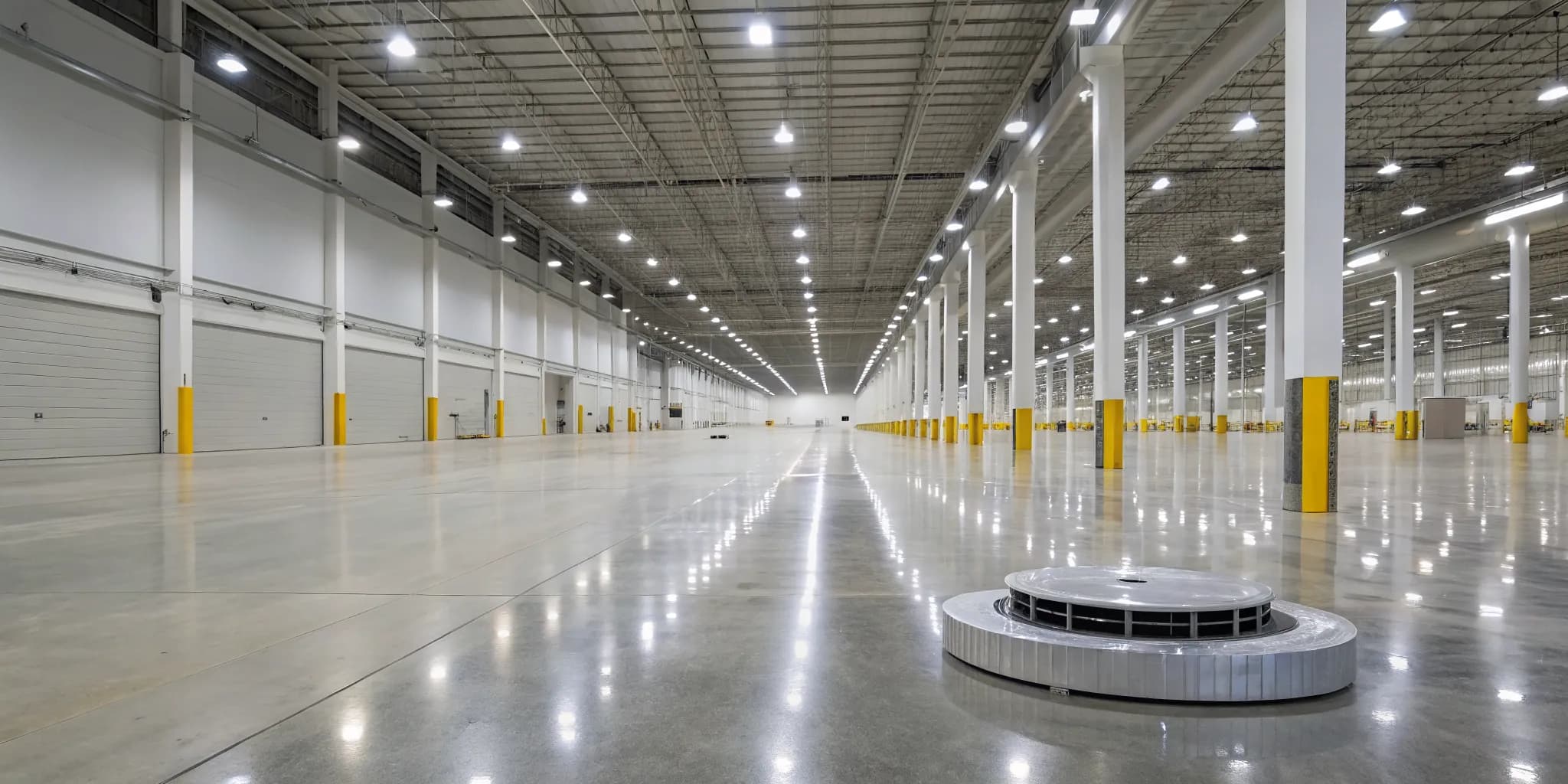
When it comes to lighting a large area, simply making it bright isn't enough. The quality of that light directly affects safety, productivity, and even how products look on a retail floor. Old lighting technologies often create harsh glare, uneven shadows, and poor color rendering, which can lead to eye strain and mistakes. Modern high bay LED lights offer a solution that goes far beyond simple illumination. They provide crisp, uniform light that mimics natural daylight, creating a safer and more pleasant environment. This guide explores how superior light quality, combined with features like dimming and motion sensors, gives you complete control over your space.
Key Takeaways
- Choose the right shape for your layout: Use round UFO high bays for large, open areas and long linear high bays for aisles and corridors. This simple choice is the first step to getting even light coverage without dark spots.
- Focus on total cost, not just the price tag: The real value of LEDs comes from long-term savings. Their energy efficiency and long lifespan drastically reduce your utility and maintenance bills, making them a smarter financial investment over time.
- Customize your lighting with key specifications: Pay attention to lumens for brightness, color temperature for the right mood, and beam angle for light spread. Adding smart features like dimmers or motion sensors can give you even more control and energy savings.
What Are High Bay LED Lights?
If you've ever walked into a warehouse, a large gym, or a big-box retail store and marveled at how bright and evenly lit the space is, you were likely looking at high bay lights. Simply put, high bay LED lights are powerful fixtures designed specifically for illuminating large areas with high ceilings. Think spaces where the ceiling is 15 feet or higher. These aren't your average household light bulbs; they are engineered to push a massive amount of light (often over 10,000 lumens) down to the floor, ensuring everything is visible and safe.
High Bay LEDs vs. Traditional Lighting
When you compare high bay LEDs to older options like metal halide or fluorescent lights, the biggest difference is energy efficiency. Traditional fixtures are known energy hogs, while LEDs use significantly less power to produce the same, if not better, quality of light. This efficiency translates directly into lower utility bills. In fact, the U.S. Department of Energy notes that high-quality LEDs can cut lighting energy use by a significant margin in the right setting. Beyond just saving energy, LEDs deliver more useful light to your work area. Thanks to advanced optics, they direct light exactly where it’s needed, reducing wasted light and creating a brighter, more focused environment. This means better visibility and safety without the flickering or long warm-up times common with older lighting technologies.
Low Bay vs. High Bay: What's the Difference?
The main difference between low bay and high bay lighting comes down to ceiling height. As a general rule, high bay lights are the go-to choice for ceilings above 15 feet, while low bay lights are designed for ceilings under 15 feet. It might seem like a small detail, but it has a big impact on how your space is illuminated. High bay fixtures use specialized lenses or reflectors to direct a concentrated beam of light downward from a significant height, preventing the light from scattering and losing intensity. Low bay lights, on the other hand, have optics that spread light more broadly to cover a wider area from a lower mounting point. Using the wrong type can lead to poor lighting conditions, like harsh glare or uneven dark spots. Choosing the correct fixture is a key part of any effective lighting design.
Where Should You Use High Bay LED Lights?
High bay LED lights are the go-to solution for illuminating any large interior space with high ceilings. If your ceiling is over 12 feet tall, you’re likely in high bay territory. Their power and design make them perfect for a wide range of commercial and industrial applications where clarity and brightness are non-negotiable. From massive warehouses to your local gymnasium, these lights provide the powerful, even coverage needed to keep things safe and productive. Let's look at some of the most common places you'll find them.
Warehouses and Distribution Centers
Warehouses are the classic environment for high bay lights. These are specialized fixtures designed for spaces with ceilings often soaring over 12 feet high, requiring a significant light output to properly illuminate the floor below. In a busy distribution center, clear visibility is crucial for safety and accuracy. Good lighting helps workers read labels, operate machinery like forklifts safely, and move through aisles without worrying about dark spots or shadows. The bright, uniform glow from high bay LEDs ensures every corner of the facility is well-lit, which helps prevent accidents and keeps operations running smoothly around the clock.
Manufacturing and Industrial Spaces
In manufacturing plants and industrial workshops, precision is everything. High bay LEDs are known for their incredible energy efficiency, often using far less power than older lighting like metal halides. They deliver more useful light directly to the work area, which is essential for detailed tasks and quality control inspections. The crisp, consistent illumination reduces eye strain for employees working long shifts and helps them spot defects or hazards more easily. Because these fixtures are built to last, they also stand up well in demanding environments where dust, vibrations, and temperature changes are common, reducing the need for frequent maintenance.
Large Retail and Commercial Buildings
Think about your last trip to a big-box store, car dealership, or wholesale club. The bright, welcoming atmosphere is often thanks to high bay LED lighting. One of the biggest advantages of LEDs in a retail setting is their improved light quality. When planned correctly, they provide a brighter, more uniform light distribution that gets rid of distracting dark spots. This creates a better shopping experience and makes products look their best. A high Color Rendering Index (CRI) means colors appear true and vibrant, helping customers see exactly what they’re buying, from a red sweater to a blue car.
Gyms, Sports Facilities, and Cold Storage
High bay lights are also perfect for recreational spaces and specialized environments. In gyms and indoor sports courts, even lighting is critical for fast-paced action. It eliminates shadows that could obscure a ball or trip up an athlete. This enhanced visibility improves safety and can even make the space feel more energetic and professional. In a completely different setting, like commercial freezers or cold storage units, LEDs are a top choice because they perform exceptionally well in low temperatures. Unlike fluorescent bulbs that can flicker or fail in the cold, LEDs provide instant, reliable light, making them a safe and efficient choice for these challenging conditions.
Understanding the Types of High Bay Lights
When you start looking at high bay lights, you’ll quickly see two main styles pop up: UFO and linear. They aren’t just different in how they look; they’re designed for completely different types of spaces and lighting needs. Choosing the right one is the first step to getting your lighting project right. Let's walk through what makes each type unique so you can feel confident in your decision.
UFO High Bay Lights
UFO high bay lights get their name from their distinct round, saucer-like shape. These fixtures are your go-to solution for large, open areas with high ceilings. Think warehouses, gymnasiums, and big manufacturing floors. Their design provides a wide beam angle, which helps spread light evenly across a massive space without leaving dark spots. One of the biggest perks of UFO lights is their incredible energy efficiency and long lifespan, meaning you’ll save on energy bills and spend less time on maintenance. A common concern is that they might be too bright, but in reality, most can be adjusted to give you the perfect amount of light for your workspace, helping to debunk myths about them being overpowering.
Linear High Bay Lights
If your space is long and narrow, linear high bay lights are probably what you need. These long, rectangular fixtures are perfect for illuminating aisles, corridors, and assembly lines. Unlike the wide spread of UFO lights, they provide a more focused and directed light distribution. This is essential for any task that requires precision and clear visibility. You can also install them in different ways, giving you some flexibility to make sure the light is spread out perfectly for your needs. Because of this, linear high bays are a popular choice in commercial settings where uniform lighting is a top priority for both safety and productivity.
Why Switch to High Bay LED Lights?
If you're still using traditional lighting in your large-scale space, you might be missing out on some serious advantages. Making the switch to high bay LED lights isn't just about getting new fixtures; it's a strategic upgrade for your business. From your bottom line to your team's productivity, the benefits are clear. Let's walk through exactly why this change is one of the smartest moves you can make for your facility.
Save Energy and Reduce Operating Costs
Let’s talk about one of the biggest wins: cost savings. High bay LED lights are incredibly energy-efficient, using significantly less power than older options like metal halide or fluorescent fixtures. This isn't just a small change; it translates directly into lower monthly utility bills. The U.S. Department of Energy notes that commercial LEDs can reduce energy use by up to 75% and last 25 times longer than incandescent lighting. When you're lighting a massive warehouse or retail space, those savings add up quickly, freeing up your budget for other important parts of your business. It’s a simple change that has a major impact on your operating costs.
Enjoy a Longer Lifespan with Less Maintenance
Tired of the constant cycle of replacing burnt-out bulbs? High bay LEDs have a remarkably long lifespan, often lasting for tens of thousands of hours. This means you'll be spending far less time and money on replacements. Think about it: no more renting lifts or scheduling maintenance crews just to change a lightbulb in a 30-foot ceiling. This extended life reduces the hassle and disruption that comes with lighting upkeep, especially in busy industrial or commercial environments. You get reliable, consistent lighting day in and day out, allowing your team to focus on their work without interruption. It’s a classic 'set it and forget it' improvement.
Get Superior Light Quality and Color
Beyond just being bright, high bay LEDs deliver a much higher quality of light. They provide clean, uniform illumination that minimizes shadows and eliminates the dark spots common with older lighting systems. This creates a safer and more productive environment, whether you’re running a manufacturing line or stocking retail shelves. Plus, LEDs offer a better Color Rendering Index (CRI), which means they show colors more accurately. For spaces where visual detail is key, like a workshop or a retail store, this superior light quality can make all the difference in precision and product presentation.
Lower Your Environmental Impact
Switching to LEDs is a great way to make your operations more sustainable. Because they use so much less energy, you’ll significantly reduce your facility's carbon footprint. While some people worry about the initial investment, it’s important to look at the total cost of ownership. The long-term savings from lower energy bills and reduced maintenance costs almost always outweigh the upfront price. Furthermore, unlike fluorescent bulbs, LEDs don't contain harmful materials like mercury, making them safer to handle and easier to dispose of. It’s a choice that’s good for your budget and even better for the planet.
How to Choose the Right Specs for Your Space
Picking the right high bay lights isn't just about grabbing the first option you see. Getting the specifications right from the start will make a world of difference in how your space looks, feels, and functions. Think of it like building a website: the right foundation and design choices are essential for a great outcome. When it comes to lighting, you’ll want to consider a few key factors to ensure you get bright, efficient, and uniform light that’s perfect for your needs.
From brightness and energy use to the color of the light itself, each spec plays a role. Getting these details right means you won't have to deal with dark spots, high energy bills, or a workspace that just doesn't feel right. We'll walk through the most important specs to look at so you can feel confident in your choice.
Brightness and Lumens
First up is brightness, which is measured in lumens. Forget everything you thought you knew about watts telling you how bright a bulb is; with LEDs, lumens are the number to watch. For large spaces, you need a lot of light. LED high bay lights are specifically made for areas with ceilings over 12 feet high and typically require an output of 10,000 lumens or more.
The exact number of lumens you need depends on your ceiling height and what the space is used for. A warehouse for storage won't need to be as bright as a manufacturing floor where detailed work happens. A good rule of thumb is the higher the ceiling, the more lumens you'll need to light the floor properly.
Wattage and Energy Use
One of the biggest wins with LED high bay lights is their incredible energy efficiency. Wattage tells you how much energy a light uses, and LEDs are designed to produce more light with less power. They often use significantly less energy than old-school lighting like metal halide or fluorescent fixtures, which means lower electricity bills for you.
When you're comparing lights, look for a high lumen-per-watt (LPW) ratio. This number tells you how efficiently the light converts energy into brightness. A higher LPW means you're getting more light for your money. This efficiency is a core reason why so many businesses are making the switch and seeing a real impact on their operating costs.
Color Temperature
Have you ever noticed how some lights feel warm and cozy while others feel cool and energizing? That’s color temperature, and it’s measured in Kelvin (K). Many modern lights let you choose the color temperature, which is a game-changer for creating the right atmosphere in your space.
A lower Kelvin rating (around 3000K) produces a warmer, yellowish light that can feel more inviting, making it a good choice for large retail spaces. A higher rating (5000K or more) produces a cool, bluish-white light that mimics daylight. This is great for warehouses, gyms, and workshops where you need to see details clearly and keep everyone alert and focused.
Beam Angle and Light Spread
Beam angle determines how wide or narrow the cone of light is as it shines down from the fixture. This is a crucial detail for getting even lighting coverage. When you plan your spacing, beam angle, and mounting height correctly, LEDs can provide brighter, more uniform light distribution and get rid of annoying dark spots.
A wider beam angle spreads light over a larger area, which is ideal for open spaces with lower ceilings. A narrower beam angle creates a more focused, intense light, which is better for high ceilings or for highlighting specific areas. Getting this right ensures every corner of your space is well-lit without wasting light or energy.
Mounting Height and Installation
Finally, consider how your lights will be installed. Mounting height is directly tied to the other specs we've discussed, like lumens and beam angle. A light mounted 30 feet high will need more lumens and a different beam angle than one mounted at 15 feet. Always measure your ceiling height before you start shopping.
Installation itself is a job best left to a professional. It typically involves disconnecting power, removing old fixtures, and safely connecting the new wiring. While many LED high bays are designed for straightforward installation, working with electricity at height requires expertise to ensure everything is done safely and correctly.
Smart Features to Look For
Beyond just turning on and off, today’s high bay LED lights come packed with smart features that give you more control, improve safety, and seriously cut down on energy costs. Think of these as upgrades that make your lighting system work for you, not the other way around. When you’re shopping for new fixtures, looking for these features can make a huge difference in the long-term value and performance of your lighting. It’s about choosing a system that’s not only bright but also intelligent. These additions help you create a more responsive and efficient environment, adapting to your needs in real time while saving you money in the process.
Dimming Capabilities
The ability to dim your lights is one of the most practical features you can get. Many high bay LEDs offer dimming options, allowing you to adjust the brightness to fit the task at hand or the time of day. This isn't just about setting the mood; it's a powerful tool for energy management. On a bright, sunny day, you can dim the lights near windows to take advantage of natural light. In areas where intense brightness isn't always needed, you can lower the output to create a more comfortable environment while reducing your energy bill. This simple feature gives you the flexibility to adapt your lighting on the fly, ensuring you only use the power you truly need.
Motion and Occupancy Sensors
Imagine your lights turning on automatically the moment someone walks into an aisle and turning off shortly after they leave. That’s the magic of motion and occupancy sensors. These sensors detect movement and presence, ensuring that you’re only lighting the spaces that are actively in use. This is a game-changer for warehouses, storage facilities, and other large areas with intermittent foot traffic. Instead of leaving lights on all day "just in case," you get light exactly when and where you need it. This convenience adds up to significant energy savings without anyone having to flip a switch, making your building more efficient and responsive.
Wet and Damp Location Ratings
If you’re installing lights in an environment with moisture, humidity, or the potential for direct water contact, this feature is non-negotiable. High bay LEDs with wet and damp location ratings are specifically designed and sealed to operate safely in these conditions. Think of spaces like food processing plants, commercial kitchens, car washes, or cold storage facilities. These ratings, often indicated by an IP (Ingress Protection) code, tell you exactly how well the fixture is protected against solids and liquids. Choosing the right rating ensures your lights will last longer and, more importantly, operate safely without risk of shorts or damage from moisture.
Durability and Safety Ratings
Industrial and commercial environments can be tough on equipment. That’s why durability is a key feature to look for in high bay lights. High-quality fixtures are built to last, often featuring robust components like large heatsinks to manage temperature and keep the LEDs running efficiently for years. Many also come with shatter-resistant or impact-resistant lenses. This is crucial for safety in places like gyms, manufacturing floors, or workshops where a stray ball or piece of equipment could otherwise cause damage. These heavy-duty designs ensure your lights can withstand the daily demands of a busy environment, giving you peace of mind and reliable performance.
Will High Bay LEDs Work With Your Existing Fixtures?
One of the biggest questions when upgrading is what to do with your current setup. You have two main paths: retrofitting your existing fixtures with LED bulbs or replacing the entire unit. The right choice depends on the condition of your current fixtures, your budget, and your long-term goals. While retrofitting can seem like a quick fix, a full replacement often provides better performance and greater energy savings over time. Let's walk through how to decide what's best for your space.
Retrofit or Replace: Which Is Right for You?
Retrofitting involves swapping out old bulbs (like metal halide or fluorescent) for LED corn bulbs or a retrofit kit inside your existing high bay fixtures. This can be a cost-effective first step if your fixtures are in good condition. However, a full replacement is often the smarter move. New, integrated LED high bay lights are specifically engineered for high ceilings (think 12 feet and up) and deliver the powerful, clean light needed for large spaces. They are designed as a complete system, which means the housing, lens, and LED chips all work together to manage heat and distribute light efficiently, giving you better performance and a longer lifespan than a pieced-together solution.
What to Check Before You Buy
Before you add anything to your cart, a little prep work will save you major headaches. First, confirm the voltage of your building’s electrical system and make sure it matches the lights you plan to buy. Next, look at your current mounting setup. Will the new fixtures hang from the same chains or brackets, or will you need new hardware? Finally, think about the light itself. To get that bright, even coverage and avoid dark spots, you need to plan your lighting layout by considering the beam angle, spacing, and mounting height. A proper installation will require disconnecting power, removing the old fixtures, and safely wiring the new ones, so it's always best to have a clear plan.
Common Myths About High Bay LEDs (Debunked)
Making the switch to a new lighting system is a big decision, and it’s easy to get bogged down by conflicting information. High bay LED lights have been around long enough for a few myths to start circulating. If you’ve heard things that are making you hesitate, you’re not alone. Let’s clear the air and look at some of the most common misconceptions about high bay LEDs. Separating fact from fiction will help you feel confident that you’re making the right choice for your space, your budget, and your team. We'll walk through the four biggest myths and give you the straightforward answers you need.
"They're too expensive upfront."
This is probably the most common objection, and it’s easy to see why. When you compare the price of a single LED fixture to a traditional one, the LED often has a higher initial price tag. But looking only at the upfront cost misses the bigger picture. The real financial story is in the total cost of ownership, which includes what you spend on energy and maintenance over the light’s lifetime. Because LEDs use significantly less energy and last for years longer than their older counterparts, they save you a lot of money in the long run. Think of it as an investment that quickly pays for itself through lower electricity bills and fewer replacement costs.
"They're too bright for my space."
It’s true that high bay LEDs are powerful, but "bright" doesn't have to mean "blinding." This myth comes from the idea that all that light is harsh and uncontrolled. In reality, modern LEDs provide excellent light distribution, spreading illumination evenly to reduce glare and eliminate dark spots. Plus, many high bay LEDs come with dimming capabilities and can be paired with motion sensors. This gives you complete control over the brightness in your workspace, allowing you to adjust light levels for different tasks or times of day. This adaptability ensures your space is not only well-lit but also comfortable and safe for everyone.
"The energy savings aren't that significant."
Don’t let anyone tell you the savings are just a drop in the bucket. The energy efficiency of LED technology is one of its most celebrated features, and for good reason. High bay LEDs consume far less power to produce the same amount of (or even more) light than traditional metal halide or fluorescent fixtures. This translates into substantial savings on your energy bills month after month. For a large facility running its lights for hours every day, these savings can add up to thousands of dollars a year. This reduction in operating costs has a direct and positive impact on your bottom line.
"All high bay LEDs are the same."
This is like saying all cars are the same. High bay LED lights come in several different types, with the two most common being the round "UFO" style and the long, rectangular "linear" style. Each is designed for different applications and ceiling heights. Beyond their shape, you can also choose from various beam angles, color temperatures, and smart features. Selecting the right fixture for your specific needs can dramatically improve light levels, reduce energy consumption even further, and ensure you get the best possible performance. This is definitely not a one-size-fits-all technology, which is great because it means you can find the perfect solution for your space.
Top High Bay LED Brands to Consider
When you start shopping for high bay lights, you'll find a lot of brands to choose from. While having options is great, it can also feel a bit overwhelming. To make it easier, I've pulled together a few of the most trusted and respected names in the industry. These companies are known for their quality, performance, and customer satisfaction. Focusing your search on these top contenders can help you find a reliable lighting solution that you'll be happy with for years to come.
Sunco Lighting
Sunco Lighting is a popular choice, especially for those who want powerful lighting that’s simple to set up. Their UFO High Bay 150W Plug & Play LED Fixture is a great example of what they do well. It delivers an incredible 19,500 lumens, which is perfect for brightening up large, open areas like workshops, garages, or warehouses. Customers often mention how easy the installation is and what a huge difference the brightness makes. Plus, the fixture is lightweight and designed to manage heat effectively, which helps it last longer and perform consistently. If you need a straightforward, high-impact lighting solution, Sunco is definitely a brand to look at.
Lithonia Lighting
If you’re looking for a brand with a long-standing reputation for durability, Lithonia Lighting is a name you can trust. They are a major player in the commercial lighting world, and their products are built to withstand tough conditions. This makes them an excellent choice for demanding environments like manufacturing plants and industrial facilities where fixtures might be exposed to dust, moisture, or vibrations. Lithonia Lighting focuses on creating energy-efficient designs that provide optimal light while keeping your energy bills down. Their high bay fixtures are known for being reliable workhorses, so you can install them and have confidence they’ll perform day in and day out.
Hyperikon
Hyperikon is known for its modern and versatile approach to LED lighting. Their high bay fixtures are designed to deliver impressive brightness and excellent energy efficiency, making them a smart pick for both commercial and industrial settings. One of the key features of their products is an advanced thermal management system, which helps ensure the lights perform well and have a long lifespan. People often praise Hyperikon for its user-friendly designs that make installation quick and simple. Whether you're outfitting a large retail store or a busy warehouse, their fixtures offer a flexible and effective lighting solution.
How to Find the Best Deals on High Bay Lights
Finding a great deal on high bay lights isn't just about finding the lowest price. A true bargain saves you money in the long run. The cheapest option might end up costing you more in energy bills and replacement costs down the road. So, how do you find a deal that truly delivers value? It comes down to looking at the bigger picture. When you focus on long-term performance and total cost, you can secure a deal that benefits your space and your budget for years to come.
Look Beyond the Initial Price Tag
It’s easy to get sticker shock when comparing a high-quality LED fixture to a cheaper, traditional one. But the purchase price is only one part of the equation. To find the best value, you need to consider the total cost of ownership. While some LED high bay lights have a higher initial cost, their incredible energy efficiency and long lifespan mean you'll spend far less on electricity and maintenance over time. A light that lasts for 100,000 hours and slashes your energy bill is a much better deal than a cheap one you have to replace every few years.
Compare Energy Efficiency and Rebates
Speaking of energy bills, this is where LEDs really shine. A more efficient light uses less electricity (wattage) to produce the same amount of brightness (lumens). When comparing fixtures, look at the lumens per watt (lm/W) rating; a higher number means you’re getting more light for your money. Many energy-efficient LED lights are also certified by organizations like the DesignLights Consortium (DLC) or Energy Star. These certifications often make you eligible for local utility rebates, which can significantly reduce your upfront cost. Check your local utility company’s website for programs in your area.
Don't Skimp on Quality and Warranty
A deal isn't a deal if the product doesn't last. A low-quality fixture might fail prematurely, leaving you with the cost and hassle of replacement. Before you buy, check the warranty. Reputable manufacturers stand behind their products with warranties of five years or more. Also, pay attention to quality indicators like UL or ETL listings, which mean the product has been tested for safety. It's wise to be aware of common misconceptions about LED lighting so you can make an informed choice based on facts, not myths.
Buy in Bulk and Shop Around
If you're outfitting an entire warehouse or gym, you likely have some purchasing power. Don't hesitate to ask suppliers for a volume discount, as many distributors offer better pricing for bulk orders. It also pays to get quotes from a few different places. Compare prices from online retailers and local electrical supply houses. Sometimes a local supplier can offer competitive pricing along with valuable hands-on advice for your specific space. Taking a little extra time to compare your options can lead to substantial savings.
Frequently Asked Questions
How do I know for sure if my space needs high bay lights? The quickest way to know is by measuring your ceiling height. As a general rule, if your ceilings are 15 feet or higher, you are in high bay territory. These lights are specifically engineered with optics that push a strong, focused beam of light down to the floor from a significant height. Using a different type of light in such a tall space would likely result in dim, uneven lighting on the ground where you need it most.
Should I choose UFO or linear lights for my building? This really depends on the layout of your space. For large, open areas like a gymnasium, an open-concept workshop, or a general warehouse floor, round UFO lights are an excellent choice because they distribute light in a wide, circular pattern. However, if your space is defined by long, narrow corridors, such as aisles in a retail store or a distribution center, linear fixtures are the better option. They cast a more rectangular beam of light that effectively illuminates the length of the aisle.
Is it really worth the cost to replace my old lights with LEDs? While the initial price of LED fixtures can be higher than traditional options, the long-term savings almost always make it a worthwhile investment. The real value is found in the total cost of ownership. LEDs use significantly less energy, which will noticeably lower your monthly electricity bills. They also have an incredibly long lifespan, meaning you will spend far less time and money on maintenance and replacement bulbs, especially when dealing with hard-to-reach ceilings.
Besides brightness, what's the most important feature I should consider? Once you know how bright you need your lights to be, pay close attention to the color temperature, which is measured in Kelvin (K). This spec determines the look and feel of the light itself. A lower Kelvin number (around 3000K) produces a warmer, more inviting yellow-toned light, which can be great for a large retail setting. A higher number (5000K or more) creates a cool, crisp light similar to natural daylight, which is ideal for workshops and warehouses where visibility and alertness are key.
Can I install high bay LED lights myself? While many modern high bay lights are designed for a relatively simple installation process, it is a job best left to a qualified electrician. Installing these fixtures involves working with your building's electrical wiring, often at a significant height. A professional will ensure that the power is safely disconnected, the fixtures are securely mounted, and all connections are made correctly and up to code. This protects both your investment and the safety of everyone in the building.