
2026-08-19
Flood Lights 101: A Complete Buyer's Guide
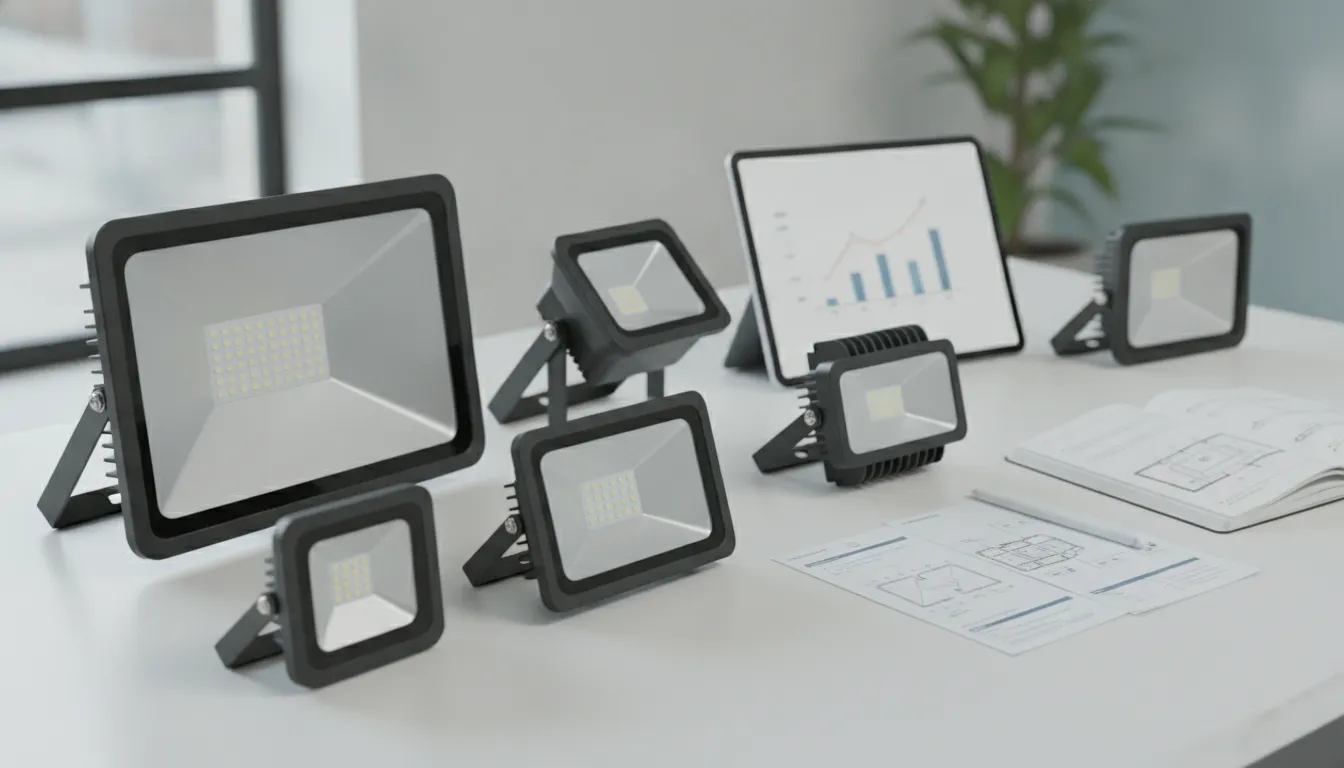
The humble flood light has received a major upgrade. It’s no longer just a powerful bulb in a weatherproof case; it’s now a key part of a modern smart home security system. Today’s best flood lights often come with built-in HD cameras, two-way audio, and sophisticated motion detectors that can send alerts directly to your phone. They connect to your Wi-Fi, allowing you to control them with an app or even your voice. This guide explores the world of smart flood lights, helping you understand which high-tech features are truly worth the investment for ultimate convenience and security.
Key Takeaways
- Choose your light's function first: Decide if you need instant deterrence with a motion-sensor light, consistent all-night coverage with a dusk-to-dawn model, or total flexibility with a smart, app-controlled fixture.
- Prioritize key technical specs: For a light that lasts, focus on the details. Ensure it has the right brightness (lumens) for your area, a weather-resistance rating of at least IP65, and a durable body made from a material like die-cast aluminum.
- View LED lights as a long-term investment: While LEDs can cost more upfront, they save you money in the long run. Their superior energy efficiency lowers your electricity bills, and their incredibly long lifespan means you avoid the cost and hassle of frequent replacements.
What Exactly Is a Flood Light?
At its core, a flood light is a powerful, broad-beamed artificial light. Its whole purpose is to drench a large area in light, which is exactly where it gets its name. Think of it as the opposite of a spotlight, which creates a narrow, focused beam. Instead, a flood light casts a wide net of illumination, making it perfect for lighting up spaces like driveways, backyards, parking lots, or the entire side of a building.
The main job of a flood light is to improve safety and visibility. By eliminating large, dark areas, you make it much harder for intruders to go unnoticed and reduce the risk of trips and falls. While security is often the top priority, they’re also incredibly practical. You might use them to light up a work area for a late-night project or to allow professional sports games to be played well after sunset. Modern outdoor lighting fixtures come in all shapes and sizes, but flood lights remain the go-to choice for powerful, wide-angle coverage.
How It Differs from Other Outdoor Lighting
It’s easy to get outdoor lighting terms mixed up, but the key difference comes down to the beam angle. A spotlight gives you a tight, concentrated beam of light, perfect for highlighting a single tree, a flag, or a specific architectural feature. A flood light does the opposite; it casts a beam that can be up to 120 degrees wide, covering a whole patio or yard.
Other common fixtures have different jobs, too. Path lights are typically low to the ground and provide gentle illumination to guide you along a walkway. Wall sconces are mounted next to doors to light up entryways and add a decorative touch. Flood lights aren't subtle. They are the heavy lifters of the outdoor lighting world, designed for maximum visibility over a large area.
Home vs. Business Applications
For homeowners, flood lights are all about security and peace of mind. They are most often used to illuminate driveways, backyards, and dark corners around a property. A well-lit exterior can be a powerful deterrent for potential burglars and makes it much safer to walk around your home at night. Motion-activated models are especially popular for residential use, as they provide instant light when you need it and save energy when you don’t.
In a business setting, flood lights serve similar purposes but on a much larger scale. They are essential for the safety and security of commercial properties, lighting up parking lots, loading docks, building perimeters, and construction sites. Thanks to modern LED technology, today’s flood lights are incredibly energy-efficient and have long lifespans, making them a cost-effective solution for keeping large areas bright all night long.
A Guide to Flood Light Types
Choosing a flood light can feel a little overwhelming with all the different technologies out there. But it really boils down to what you need the light for. Are you lighting up a huge commercial lot or just your backyard? Do you want something that saves energy or a light that turns on automatically? Let's walk through the main types you'll find, so you can pick the perfect one for your space without any guesswork. Once your property looks its best, you can even build a website in minutes to showcase your business or home.
LED
LED flood lights are the top choice for most homes and businesses today, and for good reason. They are incredibly energy-efficient, using a fraction of the power of older bulbs, which means you'll see real savings on your electricity bill. Plus, their lifespan is impressive; some can last for decades, so you won't be climbing a ladder to change bulbs anytime soon. They provide bright, clear light the second you flip the switch, with no warm-up time needed. This makes them perfect for security lighting where you need instant illumination. The long-term value of LED lighting makes the slightly higher upfront cost a smart investment for nearly any application.
Halogen
Before LEDs took over, halogen flood lights were the standard for powerful outdoor lighting. They produce a very bright, crisp white light and are known for excellent color rendering, meaning they make colors look true and vibrant at night. You can still find them today, and they typically have a lower purchase price than their LED counterparts. However, the trade-off is significant. Halogens consume a lot more energy and have a much shorter lifespan. They also generate a tremendous amount of heat, which can be a safety concern. While they can still be a decent budget option for areas where you only need light for brief periods, most people find that upgrading to LED is more cost-effective over time.
Metal Halide
If you've ever been to a nighttime sporting event, you've seen metal halide lights in action. These are high-intensity discharge (HID) lamps designed to illuminate massive areas like stadiums, parking lots, and construction sites. They are powerful and more efficient than halogen bulbs, but they have a notable downside: a long warm-up period. It can take several minutes for them to reach full brightness. For this reason, they aren't practical for typical home security where you need light instantly. While they were once the industry standard for commercial use, many businesses are now retrofitting their fixtures with high-output LEDs to save on energy and maintenance costs.
Motion-Sensor
A motion-sensor flood light isn't a type of bulb but rather a feature that adds a layer of intelligence to your lighting. These fixtures have a built-in sensor that detects movement and automatically turns the light on. This is fantastic for home security, as a sudden blast of light can startle and deter potential intruders. It's also incredibly convenient, lighting your way when you get home with groceries or take the dog out at night. Because the light only turns on when needed, it saves energy too. You can find motion-activated models in both LED and halogen styles, making it a versatile feature for any home security plan.
Dusk-to-Dawn
Similar to motion-sensor lights, dusk-to-dawn is a smart feature rather than a bulb type. These lights contain a small photocell that senses the amount of ambient light in the environment. When the sun sets and it gets dark, the light automatically turns on. When the sun rises, it turns itself off. This provides a simple, "set it and forget it" solution for consistent, all-night illumination. They are perfect for lighting up walkways, driveways, and building exteriors to ensure your property is never left in the dark. This automated approach provides both security and safety, and since most models use efficient LEDs, the cost of running them all night is minimal.
Smart Flood Lights
For those who love technology and total control, smart flood lights are the ultimate upgrade. These fixtures connect to your home's Wi-Fi network, allowing you to manage them directly from a smartphone app or with voice commands through assistants like Alexa or Google Home. You can turn them on or off remotely, set detailed schedules, dim the brightness, and even change the color on many models. Some smart flood lights, like those from Ring, also include built-in security cameras and sirens, combining lighting and surveillance into one powerful device. They offer an unmatched level of customization for creating the perfect outdoor ambiance or a robust security setup.
Which Flood Light Is Best for Security?
When it comes to securing your home, flood lights are one of your best lines of defense. But with so many options, how do you choose the right one? The best flood light for your security really depends on what you want to achieve. Are you looking to startle a potential intruder, keep your property lit all night, or have total control from your phone?
Different types of flood lights tackle security in different ways. Some react instantly to movement, while others provide a steady, all-night glow. Modern LED flood lights often combine the best features, giving you motion sensors, automatic scheduling, and even remote controls all in one package. Let’s look at the three main security functions to help you decide which approach is right for your home.
Motion-Sensor Lights: For Instant Deterrence
If your main goal is to surprise and deter anyone creeping around your property, a motion-sensor light is your best friend. These lights are designed to switch on automatically the moment they detect movement. That sudden, bright illumination is often enough to send a would-be intruder running. It also serves as an immediate alert for you or your neighbors that something is moving outside.
Because they only turn on when triggered, they are also quite energy-efficient. You can place them in key areas like above your garage, near entryways, or overlooking the backyard. A well-placed motion-activated floodlight provides security exactly when and where you need it, making it a smart and effective choice for targeted protection.
Dusk-to-Dawn Lights: For All-Night Coverage
For those who prefer consistent, all-night illumination, dusk-to-dawn lights are the perfect "set it and forget it" solution. These lights have a built-in photocell sensor that automatically detects the level of natural light. It turns the flood light on as the sun sets and switches it off again at sunrise. This ensures your property is never left in the dark, providing a constant deterrent throughout the night.
This continuous coverage is ideal for discouraging anyone from approaching your home under the cover of darkness. You don't have to remember to flip a switch or program a timer. It’s a simple, reliable way to keep large areas like your yard, driveway, or the side of your house well-lit. This steady light can give you peace of mind, knowing your home's perimeter is always visible.
Smart Flood Lights: For Remote Control and Customization
If you love having control at your fingertips, smart flood lights offer the ultimate in flexibility and customization. These lights connect to your Wi-Fi, allowing you to manage them directly from a smartphone app or with voice commands. You can turn them on or off remotely, adjust brightness levels, and even change the color of the light to suit any occasion. This means you can create a welcoming atmosphere when you have guests and switch to bright, white light for security.
Many smart models also include motion sensors and scheduling, combining the benefits of other light types. You can set a schedule for your lights to follow or receive a notification on your phone when motion is detected. This level of control not only enhances your security but also integrates seamlessly into your smart home setup.
Key Features to Look for in a Flood Light
Once you’ve narrowed down the type of flood light you need, it’s time to compare the specific features. Paying attention to the details, like build quality and beam angle, will ensure you get a light that performs well and lasts for years. These key features will help you make the right choice for your space.
Weather Resistance and IP Ratings
Since your flood lights will live outdoors, they need to be tough enough to handle whatever the weather throws at them. This is where IP ratings come in. An IP (Ingress Protection) rating tells you how well a fixture is protected against solids like dust and liquids like water. For outdoor flood lights, you should look for a rating of at least IP65. This ensures the light is completely sealed against dust and can withstand low-pressure water jets, like heavy rain or snow. A higher rating means even more protection, giving you peace of mind that your investment is safe from the elements.
Build Material and Durability
The material a flood light is made from directly affects its lifespan and performance. While plastic options might be cheaper upfront, they often don't last as long and can become brittle over time. For superior durability and heat management, look for flood lights with a die-cast aluminum body. Aluminum is excellent at dispersing heat, which is crucial for keeping the internal LED components cool and extending their life. This sturdy construction means your light will be better equipped to handle physical impacts and harsh weather conditions without failing.
Beam Angle and Coverage
The beam angle determines how wide or narrow the spread of light will be. A narrow beam angle creates a focused, intense spot of light, while a wider angle illuminates a larger area more softly. In the United States, you might see a NEMA (National Electrical Manufacturers Association) type number from 1 to 7, which describes the light's spread. A lower number means a tighter beam, and a higher number means a wider one. Choosing the right beam angle is key to getting the coverage you need, whether you're highlighting a specific architectural feature or lighting up your entire backyard.
Color Temperature (Warm vs. Cool)
Color temperature, measured in Kelvin (K), defines the appearance of the light, from warm to cool. A lower Kelvin number (around 3000K) produces a warm, yellowish light that feels cozy and inviting, similar to a traditional incandescent bulb. A higher number (5000K or more) creates a cool, bluish-white light that appears crisp and bright, resembling daylight. Many people prefer warm white for residential areas to create a welcoming ambiance, while cool white is great for security and commercial spaces where visibility is a priority. Some models even offer color-changing (RGBW) capabilities for a more custom look.
Adjustability and Mounting
Finally, think about how and where you will install the flood light. Different mounting options offer different levels of flexibility. A knuckle mount, for example, allows you to pivot the light up and down on an adjustable arm, which is perfect for aiming it precisely. Other common types include yoke mounts (U-shaped brackets) and slipfitter mounts that slide over a pole. Before you buy, check the product specifications for the available mounting options to make sure it will work for your intended location and give you the adjustability you need to light the area perfectly.
How Many Lumens Do You Really Need?
When you start shopping for flood lights, you'll see the word "lumens" everywhere. Think of lumens as a measure of brightness. The higher the lumen count, the more light the bulb produces. It’s tempting to just buy the brightest light you can find, but more isn't always better. The right amount of light depends entirely on what you need to illuminate.
Choosing the correct lumen level ensures your space is safe and functional without creating excessive glare or light pollution for your neighbors. Too little light won't serve its purpose, while too much can be just as bad. Let's break down the numbers so you can find that perfect sweet spot for your property.
Lumens by Use: Driveways, Yards, and Exteriors
For most residential settings, you don't need the power of a lighthouse to feel secure. Illuminating driveways, backyards, and the general exterior of your home typically requires a floodlight in the range of 1,500 to 3,000 lumens. This level of brightness is the gold standard for home use. It’s strong enough to light up pathways for safe walking at night and deter potential trespassers by eliminating dark hiding spots.
This range provides clear visibility without creating a harsh, stadium-like atmosphere. It keeps your property well-lit and secure while still being considerate of those living nearby. If you have a particularly large yard or want to highlight specific landscape features from a distance, you might aim for the higher end of this range.
Recommended Lumens for Homes vs. Commercial Spaces
While 3,000 lumens is plenty for a backyard, some scenarios demand significantly more power. If you have a large property with a private sports court or want to illuminate a small sign from far away, you might need between 5,000 and 10,000 lumens to get the job done effectively.
Commercial needs are on another level entirely. Businesses lighting up huge parking lots, industrial work yards, or the entire facade of a large building require intense brightness for safety and security. For these applications, it’s common to see powerful LED flood lights that produce 50,000 lumens or more. This ensures every corner of a vast commercial space is visible, protecting assets and keeping employees safe around the clock.
LED vs. Traditional Flood Lights: Is It Worth Upgrading?
If you're still using older halogen or metal halide flood lights, you've probably wondered if making the switch to LED is really worth the effort. The short answer is a resounding yes. While the initial price tag on LED fixtures can be higher, the long-term benefits in savings, performance, and convenience are hard to ignore. LEDs represent a modern, efficient approach to lighting that pays you back over time. Let's break down exactly what you get when you upgrade.
Upfront Cost vs. Long-Term Savings
Let's be honest: the upfront cost of LED flood lights can be higher than their traditional counterparts. But it's helpful to think of it as an investment rather than just a purchase. LEDs use significantly less energy to produce the same amount of light, which translates directly to lower electricity bills. Plus, they last so much longer that you'll save on replacement bulbs and the hassle of changing them. Unlike some older lights that need to warm up, LEDs also provide instant-on illumination, which is a great feature for security.
Comparing Lifespans
The lifespan of an LED is one of its most impressive features. Many LED flood lights are rated for over 50,000 hours of use. To put that in perspective, if you run your light for eight hours every night, it could last for more than 17 years. Compare that to a halogen bulb, which might burn out in a year or two. This longevity means fewer trips up a ladder for replacements. Additionally, LEDs are designed to shine light exactly where you need it, which reduces light pollution and wasted energy. This directional lighting makes them a more efficient and neighbor-friendly choice.
Performance in Extreme Weather
Outdoor lighting has to be tough enough to handle whatever nature throws at it. High-quality LED flood lights are built for durability. When shopping, look for important quality certifications that prove the light is safe and weatherproof. A UL Listing means it has been tested for safety, while an IP rating indicates its resistance to dust and water. For outdoor use, you’ll want a rating of at least IP65, which certifies the fixture is protected against jets of water from any direction. This ensures your lights will perform reliably through rain, snow, and humidity.
How Much You Can Save on Energy Bills
This is where upgrading to LED really shines. Because they are so efficient, LED flood lights can reduce your lighting-related electricity costs by 50% or even more. They convert most of their energy into light, not heat, unlike traditional bulbs that waste a lot of energy. For example, you can often replace a power-hungry 300-watt halogen flood light with a 30-watt LED fixture that produces the same brightness. Over the course of a year, those savings add up quickly, allowing the fixture to pay for itself and then some.
Top-Rated Commercial Flood Light Brands
When you’re investing in lighting for your business, the brand you choose really matters. You need fixtures that are reliable, durable, and perform exactly as promised, day in and day out. While there are tons of options out there, a few names consistently stand out for their quality and performance in commercial settings. Think of these brands as the trusted heavy-hitters in the world of flood lighting. Choosing a reputable brand means you're not just buying a light; you're buying peace of mind, knowing the product is backed by years of engineering and positive customer experiences.
Making the right choice can save you from the headache of premature failures, inconsistent performance, and the hassle of replacements. A well-made flood light from a trusted manufacturer will deliver consistent brightness, withstand the elements, and provide real security for your property. It’s an upfront investment that pays off in longevity and reliability. To help you make a smart decision, let's walk through some of the top-rated brands that professionals and business owners trust, so you can feel confident in your choice.
Philips (Signify)
You’ve almost certainly heard of Philips, but in the commercial lighting world, you’ll also see the name Signify. They are a giant in the LED space, known for a massive range of lighting solutions. For business owners, the key thing to know is that Signify-branded products often provide similar performance to their Philips professional counterparts but at a lower cost, sometimes by as much as 15-25%. This makes them a fantastic, budget-friendly option for standard commercial projects. The one small trade-off is that some users find the installation can take a bit longer due to quirks in the documentation, so it’s something to keep in mind for your project timeline.
Lithonia Lighting
If your top priority is sheer toughness and reliability, Lithonia Lighting is a name you’ll see recommended time and again. This brand has built a solid reputation for producing durable, workhorse flood lights that can handle demanding commercial environments without a fuss. Users consistently praise their products for having robust construction that stands up to the elements. Think of Lithonia as the no-nonsense, dependable choice for securing your property. When you need a light that you can install and forget about, knowing it will perform reliably for years, Lithonia is an excellent brand to consider for your business.
Cree Lighting
Cree Lighting is a leader when it comes to high-performance LEDs that deliver exceptional energy efficiency and a long lifespan. If you want to brightly illuminate your property while keeping your electricity bills in check, Cree is a fantastic option. Customers often rave about the incredible brightness and clarity of their flood lights, which makes them perfect for areas where visibility is critical for security and safety. Investing in Cree is a smart long-term play; the energy savings and longevity mean you get a great return on your initial purchase, making them a favorite for both commercial and high-end residential applications.
RAB Lighting
Known for its innovative designs and impressive energy efficiency, RAB Lighting is a go-to for high-quality outdoor fixtures. What really sets RAB apart is its focus on durability and superior weather resistance. Their flood lights are engineered to withstand harsh conditions, making them an ideal choice for any business located in an area with extreme weather. Users frequently recommend the brand for its reliable performance and solid construction. If you need a flood light for an exposed location and can't afford any failures or downtime, RAB offers the peace of mind that comes with a truly premium, weather-tough product.
Hubbell Lighting
Hubbell Lighting is another major player that offers a comprehensive portfolio of lighting solutions designed specifically for commercial use. This brand is well-regarded for its quality and the sheer effectiveness of its products, especially when it comes to illuminating large spaces. If you have a sizable parking lot, a wide building exterior, or a large yard to secure, Hubbell has powerful flood lights designed for the job. Customers often commend their fixtures for providing consistent, wide-reaching light. For business owners with significant square footage to cover, Hubbell provides the powerful and reliable solutions you need.
What Real Users Say: Common Praise and Complaints
Looking at reviews across these top brands, a few common themes emerge. Users consistently praise the move to LED technology for its incredible energy efficiency and bright, clear light. The ease of installation for many models is also a frequently mentioned plus. On the other hand, some common complaints involve color accuracy and intensity. For example, some user reviews for specific colored flood lights mention that the hue wasn't exactly what they expected. This is a good reminder to check the color temperature (measured in Kelvins) and read recent reviews for the specific model you’re considering to ensure it meets your expectations.
Smart Features Worth Paying For
Today’s flood lights can do a lot more than just illuminate a dark space. While basic models get the job done, investing in a few smart features can add a layer of convenience, security, and control that makes a real difference. If you’re looking for more than just a light, these are the modern upgrades worth considering for your home or business.
Built-in Cameras and Security Integrations
Many of the most popular flood lights are now full-fledged security devices. It’s common to see top-selling models from brands like Ring and Blink that include built-in cameras, motion detectors, and two-way audio. This combination turns your light fixture into an active deterrent. You can get real-time alerts on your phone, see who is on your property, and even speak to them directly. For homeowners, this provides peace of mind. For business owners, it’s an affordable way to monitor your property after hours without investing in a separate, complex security system.
App Control and Smart Home Compatibility
If you love managing your home from your phone, you’ll appreciate smart flood lights. These models connect to your Wi-Fi, allowing you to control them through a dedicated app. You can turn them on or off, set schedules, and adjust settings from anywhere. Many also offer smart home compatibility, so you can link them to systems like Amazon Alexa or Google Assistant. This lets you use voice commands to control your lights or create automated routines, like having your driveway lights turn on automatically when you’re close to home. It’s a simple feature that adds a ton of flexibility.
Dimmers and Energy Management
LED flood lights are already known for saving energy, but models with dimmers give you even more control over your power consumption and ambiance. Dimmers allow you to adjust the brightness to suit the occasion, whether you need full power for security or a softer glow for an evening on the patio. This feature not only helps you fine-tune the mood but also reduces your energy use even further. Some advanced systems even include energy management tools in their apps, showing you exactly how much power you’re using. It’s a practical way to lower your electricity bill while getting more function out of your lights.
High-Lumen Options for Large Areas
While not a "smart" feature in the tech sense, choosing a high-lumen model is a smart decision for anyone needing to light up a large area. Standard flood lights might not be enough for big backyards, parking lots, or commercial building exteriors. Premium models offer incredibly high brightness levels, often exceeding 30,000 or even 50,000 lumens. Paying for a high-lumen option ensures you get powerful, consistent coverage without creating dark spots. Before you buy, it’s helpful to understand lumen requirements for your specific space, as a small sign might only need 5,000 lumens while a large lot needs much more.
Where to Buy Flood Lights and Find the Best Deals
Once you have a good idea of the features you need, it’s time to start shopping. You can find flood lights at big-box home improvement stores, specialty lighting retailers, and a wide range of online shops. The sheer number of options can feel like a lot, but knowing what to look for will help you zero in on the perfect fit for your property and budget. Just like building a website for your business with an AI-powered platform, getting your lighting right is about having a clear plan.
Before you add anything to your cart, there are a few key things to consider that will make your decision much easier. Think about your installation preference, where you plan to mount the lights, and of course, how to find the best price. Let's walk through each of these so you can shop with confidence.
Hardwired vs. Plug-In: Decide Before You Buy
Your first major decision is how the light will get its power. Hardwired flood lights are wired directly into your property’s electrical system. This option gives you a clean, permanent installation with no visible cords, but it usually requires an electrician. Plug-in models, on the other hand, offer great flexibility. You can install them yourself and move them if needed, as long as you have an outdoor outlet nearby. Whichever you choose, opting for LED flood lights is a smart move. They save energy, last for years, and turn on instantly, making them a reliable choice for any setup.
Tips for Mounting Height and Position
Where you place your flood light is just as important as which one you buy. The key is to match the light’s brightness to its location for the best coverage. A light’s Brightness (Lumens) will tell you how much light it produces. For illuminating signs or small architectural details, 5,000 to 10,000 lumens is usually plenty. To light up a medium-sized yard or parking area, look for something in the 20,000 to 30,000 lumen range. For very large commercial or industrial spaces, you’ll want 50,000 lumens or more to ensure the area is well-lit and secure. Thinking about lumens first helps you position your lights effectively.
How to Find Discounts and Promotions
Everyone loves a good deal, and you can often find significant savings on flood lights if you know where to look. Before you check out from an online store, always search the site for a promotions page or a banner with a discount code. For example, retailers like ELED Lights sometimes offer site-wide discounts with a code and provide free shipping on larger orders. Similarly, stores like Warehouse Lighting may have coupon codes available at checkout. Taking a minute to look for these offers can cut down your costs, especially when you’re buying multiple fixtures for a larger property. It’s a simple step that can save you a surprising amount of money.
Frequently Asked Questions
Do I need an electrician to install my flood light? That really depends on the type of light you choose. If you buy a plug-in model, you can probably install it yourself as long as you have a weatherproof outdoor outlet nearby. For hardwired lights, which connect directly into your home's electrical system, it's always best to hire a licensed electrician. They will make sure the installation is safe, secure, and up to code, giving you a clean, permanent setup.
What's the real difference between warm and cool light, and which is better for my home? Think of warm light as having a cozy, yellowish glow, similar to a traditional indoor lamp. It's great for creating a welcoming and relaxed atmosphere on a patio or near your front door. Cool light is a crisp, bright white that feels more like daylight. For security, many people prefer cool light because it provides maximum visibility and makes it easier to see colors and details clearly at night.
My flood light is too bright and bothers my neighbors. What can I do? This is a common issue, and you have a few options. First, check if your fixture is adjustable and try aiming it downward to keep the light focused on your property. Some lights also have shields or hoods you can add to direct the beam and prevent it from spilling over. If you have a smart or dimmable model, you can simply lower the brightness or set a schedule so it isn't at full power all night long.
Is it okay to just buy the cheapest LED flood light I can find? While it's tempting to go for the lowest price, it often costs more in the long run. Inexpensive lights may use lower-quality materials that can crack or fail in bad weather, and they might not have a proper weather-resistance rating (you should look for at least IP65). Investing a bit more in a light with a durable aluminum body and a good warranty ensures it will perform reliably for years, saving you the headache of an early replacement.
How high should I mount my flood light? A good general rule is to mount flood lights somewhere between 9 and 15 feet off the ground. If you place them too low, they can create a harsh glare and might be easy for someone to tamper with. If you mount them too high, the light can become too spread out and less effective by the time it reaches the ground. The goal is to find a height that gives you wide, even coverage without shining directly into your own windows or your neighbor's.