
2026-08-20
How to Choose the Right Ceiling Light Fixture
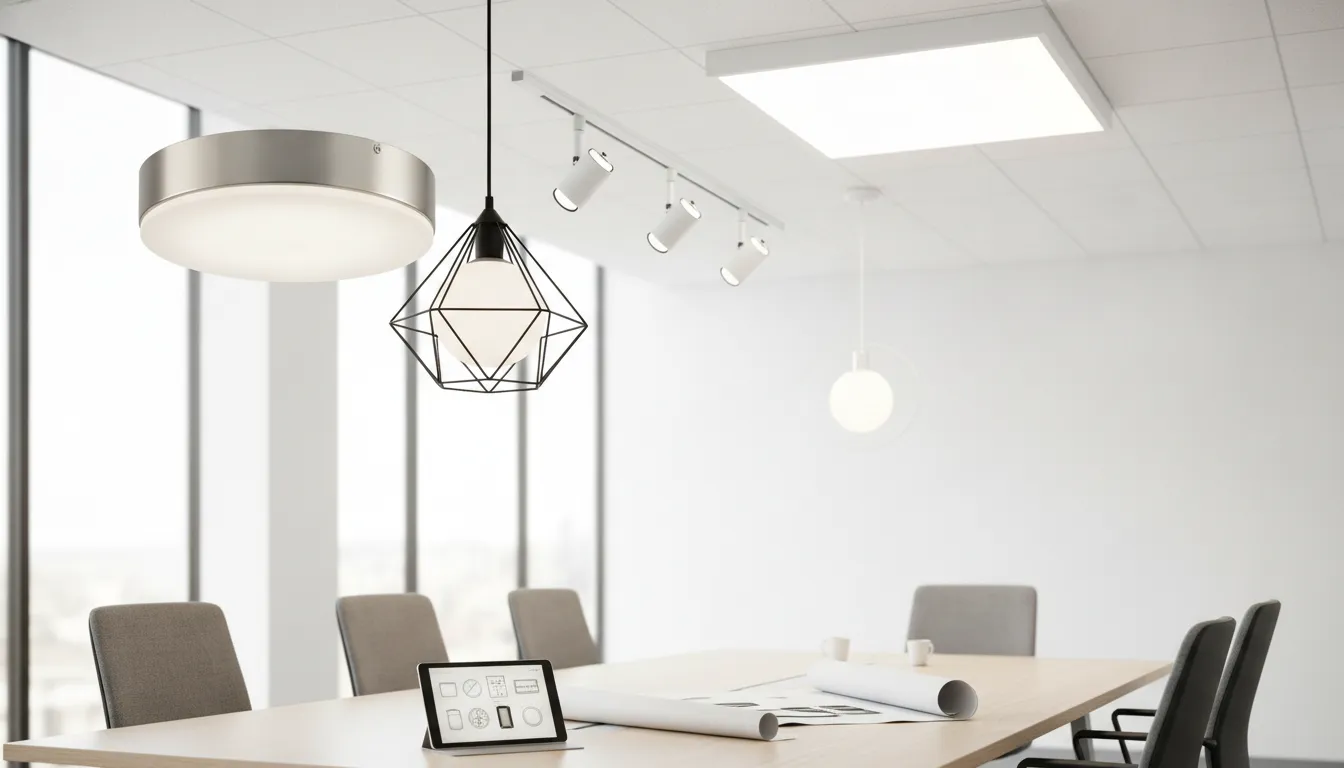
We’ve all seen it: a beautiful room with a light fixture that’s just… wrong. Maybe it’s a tiny pendant lost in a grand living room or a chandelier so low you have to duck. These common mistakes are easy to make but also easy to avoid. This guide is your roadmap to getting it right the first time. We’ll cover the critical details like sizing, ceiling height, and layering light so you can choose a ceiling light fixture with total confidence. Forget the guesswork and potential returns; let’s make sure the fixture you choose is the perfect finishing touch for your space. Once your project is complete, you can show it off on a new website from our Airo AI Builder.
Key Takeaways
- Start with your room's measurements: Before you even think about style, measure your ceiling height and room dimensions. This tells you what type of fixture to get (like a flush mount for low ceilings) and how wide it should be to look proportional to the space.
- Think in layers, not just one light: The best lighting plans use a mix of light sources. Your ceiling fixture provides general ambient light, but you should also add task lighting for activities and accent lighting to highlight decor.
- Plan for the total cost and real-world look: A smart purchase goes beyond the sticker price. Factor in potential installation fees to stay on budget, and always check customer reviews and photos to see how the fixture looks in an actual home.
Your Guide to Ceiling Light Fixtures
Choosing the right ceiling light can feel overwhelming with so many options out there. But it really comes down to understanding your space and what you need the light to do. Let's walk through the most common types of ceiling fixtures so you can find the perfect match for every room in your home. Once you know the basics, you can confidently light up your space and show off your personal style. And if you're looking to showcase your design projects or business online, you can get a website live in minutes with our Airo AI Builder.
Flush Mounts
Flush mounts are the unsung heroes of rooms with low ceilings. These fixtures sit directly against the ceiling, so you don't have to worry about anyone bumping their head. Think of them as the perfect solution for spaces under eight feet tall, like hallways, closets, and cozy bedrooms. While they are primarily practical and designed to blend in, you can still find them in a variety of simple, clean designs. They provide great general illumination without taking up any vertical space, making them a go-to for functional areas where you need good, even light.
Semi-Flush Mounts
If you have a bit more ceiling height to play with (think eight to ten feet), a semi-flush mount is a fantastic option. These lights hang just a few inches from the ceiling on a short stem, creating a little separation that adds a touch of style. They are more decorative than a standard flush mount and cast light both upwards towards the ceiling and downwards into the room. This creates a lovely, ambient glow that feels warm and inviting. You’ll often see them in entryways, dining areas, and living rooms where you want both practical lighting and a bit of a design statement.
Pendants
Pendant lights hang down from the ceiling on a cord, chain, or rod, and they are incredibly versatile. You can use a single pendant as a stylish centerpiece or group them together for more impact. They are perfect for providing focused task lighting over a kitchen island, a dining table, or a desk. Because they come in countless shapes, sizes, and materials, pendants are a great way to introduce a specific design element into your room. Getting the placement right is key, especially when you hang multiple pendants over an island or table to ensure balanced light and a polished look.
Chandeliers
Nothing makes a statement quite like a chandelier. These decorative fixtures feature multiple arms or branches for lights and are often adorned with crystals or glass. They are the perfect focal point for large, formal spaces with high ceilings, like a grand entryway, a formal dining room, or a primary living area. A chandelier instantly adds a sense of luxury and drama to a room. The most important thing is to choose one that is proportional to your space; a chandelier that’s too small will get lost, while one that’s too large can overwhelm the room.
Recessed Lighting
Also known as can lights, recessed lights are installed directly into the ceiling, making them appear clean and unobtrusive. This minimalist look makes them ideal for almost any room, from kitchens and bathrooms to basements and living rooms, especially where ceilings are low. They are excellent for providing focused task lighting or general ambient light without taking up any visual space. You can use them to wash a wall with light, highlight artwork, or simply brighten up the entire room. A good recessed lighting layout is essential for achieving even, effective illumination.
Track Lighting
Track lighting is a wonderfully flexible solution where multiple light fixtures are attached to a single track on the ceiling. The best part is that you can aim and reposition each light head exactly where you need it. This makes track lighting perfect for task-oriented spaces like kitchens, home offices, or workshops. It’s also a fantastic way to highlight architectural features or a gallery wall of art. If your lighting needs might change over time, the adjustability of track lighting gives you the freedom to adapt your lighting scheme without any major electrical work.
Ceiling Fans with Lights
For a fixture that does double duty, look no further than a ceiling fan with an integrated light. This practical combination is a popular choice for living rooms and bedrooms, especially in warmer climates where air circulation is just as important as illumination. It’s a space-saving solution that provides both ambient light and a cooling breeze from a single fixture. Modern designs have come a long way, so you can find ceiling fans with lights that are both stylish and functional, fitting seamlessly into any decor from modern to traditional.
What to Look for in a Ceiling Light
Once you’ve narrowed down the type of fixture you want, it’s time to get into the details. Choosing the right ceiling light is about more than just picking a style you like; it’s about finding a fixture that truly works for your space. Think of your ceiling lights as the foundation of your room's lighting plan. They set the overall mood and provide the primary source of light, so getting it right is key.
Before you add anything to your cart, you’ll want to consider a few practical factors. We’ll look at brightness, energy efficiency, style, and even smart home features. It’s also important to think about what it will take to get your new light installed. Balancing these elements will help you find a fixture that is not only beautiful but also functional, efficient, and perfectly suited to your home. Taking a moment to think through these points now will save you from the headache of returning a light that’s too dim, too big, or too complicated to install.
Brightness and Light Output
The most important job of a light is, well, to light up the room. Brightness is measured in lumens, and the number of lumens you need depends entirely on the space. A kitchen where you’re chopping vegetables requires much brighter, clearer light than a bedroom designed for relaxation. As a general rule, you can find lumen recommendations for different room types online. Also, consider a fixture’s glare. You want light that illuminates without being harsh on the eyes. A great way to get flexible lighting is to install a dimmer switch, which lets you adjust the brightness to fit any activity or mood.
Energy Efficiency and LEDs
An energy-efficient light fixture is good for the planet and your wallet. LED lights are the gold standard for efficiency. While they sometimes have a higher upfront cost than older bulb types, their benefits are huge. LEDs use significantly less energy and have an incredibly long lifespan, meaning you’ll spend less on your electricity bill and won’t be changing bulbs nearly as often. Many modern fixtures come with integrated LEDs, so you don't even have to worry about buying bulbs separately. When you're shopping, look for the ENERGY STAR label to find fixtures that meet strict efficiency criteria.
Style, Finish, and Design
Now for the fun part: how the light looks. The right ceiling light helps define the look and feel of your home. Think about your room’s existing decor. Is it modern and minimal, or cozy and traditional? The finish of the fixture plays a big role here. Matte black and brushed brass are popular choices that fit a wide range of styles, while chrome or polished nickel can feel a bit more classic. Don’t be afraid to let your light fixture be a statement piece. A unique design can serve as functional art and become a focal point that ties the whole room together.
Smart Home Compatibility
If you love convenience, consider a fixture with smart home capabilities. Smart lighting allows you to control your lights from a smartphone app or with voice commands through assistants like Alexa or Google Home. You can dim the lights, change the color temperature from warm to cool, or even set schedules so your lights turn on automatically before you get home. This technology is no longer just for tech enthusiasts; it’s becoming a common feature that adds a layer of comfort and control to everyday life. Many standard fixtures can also be made "smart" simply by using smart bulbs.
Installation Needs
Before you fall in love with a fixture, take a second to think about installation. Some lights, like simple flush mounts, can be a straightforward DIY project if you’re comfortable with basic wiring. However, heavier fixtures like chandeliers, or anything that requires new wiring to be run, are jobs best left to a professional. Always check the product specifications for the fixture’s weight and installation instructions. If you have any doubts, it’s always safest to hire a licensed electrician. Factoring in potential installation costs will help you stay on budget and ensure your new light is installed safely.
How to Choose the Right Light for Your Room
Picking a ceiling light can feel like a huge decision. It’s often the centerpiece of a room, and the right one can completely change the space. But it’s about more than just finding a fixture you like; it’s about finding one that fits your room in every sense of the word. Before you fall in love with a specific design, take a step back and think about the practical side of things. Considering the scale of your room, the activities that happen there, and the overall style will help you narrow down the options and choose a light you’ll love for years. This approach ensures your new light is not just beautiful but also perfectly functional for your space.
Consider Your Ceiling Height
The very first thing you should do is measure your ceiling height. This single measurement will immediately tell you which types of fixtures are on the table and which you should avoid. If you have low ceilings, typically under eight feet, you’ll want to look at flush mount lights. These sit directly against the ceiling, saving precious headroom while still providing great overall light. They are perfect for hallways, closets, and smaller bedrooms. For ceilings that are a bit higher, around nine or ten feet, semi-flush mounts are a great option. For rooms with tall or vaulted ceilings, you have the freedom to go for more dramatic pieces like long pendants or statement chandeliers.
Get the Sizing Right
Have you ever walked into a room where the light fixture just felt… off? It was probably the wrong size. A tiny light in a huge living room looks lost, while an oversized chandelier can overwhelm a small space. To find a fixture that looks balanced, you need to consider the size of your room. A simple trick is to add the length and width of your room together in feet. That number, in inches, is a great starting point for the diameter of your light fixture. For example, if your bedroom is 12 feet by 14 feet, you’d add 12 + 14 to get 26. So, you should look for a light that’s around 26 inches in diameter.
Layer Your Lighting: Ambient, Task, and Accent
A single ceiling light rarely does it all. The best-lit rooms use a strategy called layering, which involves combining three different types of light. Your ceiling fixture provides the first layer: ambient light. This is the general, overall illumination that fills the room. Next comes task lighting, which is focused light for specific activities like reading a book or chopping vegetables. Think table lamps, under-cabinet lights, or a pharmacy lamp next to your favorite chair. The final layer is accent light, which is used to highlight architectural features or artwork. A well-designed room needs a thoughtful mix of all three.
Match Your Room's Style
Finally, the fun part: style. Your ceiling light is a key part of your room’s decor, and it’s a chance to make a statement. The right fixture helps define the look and feel of your home, so think about the aesthetic you’re going for. Is your style modern and minimal, or cozy and traditional? Look for fixtures that complement your existing furniture and color palette. Pay attention to the materials and finish. A black metal fixture can feel industrial and modern, while a brass or woven rattan one can add warmth and texture. Think of it as the finishing touch that ties the whole room together.
A Room-by-Room Guide to Ceiling Lights
Choosing the right light for each room can completely change the feel of your home. What works in a cozy bedroom might not be right for a busy kitchen. Here’s a simple breakdown to help you light every space perfectly.
For Living Rooms and Bedrooms
These rooms are your personal sanctuaries, so the lighting should feel comfortable and inviting. After seeing hundreds of homeowners choose their lights, a clear pattern emerges: the happiest people find well-made fixtures at a price they’re comfortable with. You don’t need to splurge, but investing in quality you love pays off. A dimmer switch is a must-have here, allowing you to adjust the mood from bright and energetic to soft and relaxing. For the fixture itself, consider a statement chandelier for high ceilings, a stylish semi-flush mount for a touch of elegance, or a simple flush mount if your ceilings are lower.
For Kitchens and Dining Areas
The kitchen is the heart of the home, and its lighting needs to be a functional workhorse. Start with bright overhead lighting to illuminate the whole space. From there, it's all about layering. You should add pendant light fixtures over the kitchen island for focused light and visual interest. Don't forget under-cabinet task lighting for your countertops; it makes a huge difference for food prep. In the dining area, a chandelier or a large pendant centered over the table defines the space and creates a beautiful focal point for meals and gatherings.
For Hallways and Entryways
Hallways and entryways guide you and your guests through your home, so they deserve more than an afterthought. Just as your website’s homepage makes the first impression, your entryway sets the tone for your entire home. For long, narrow hallways with lower ceilings, flush mount ceiling lights are a practical choice because they are unobtrusive. In an entryway with a bit more ceiling height, you can make a statement with a beautiful semi-flush mount or even a small chandelier. This creates a warm, welcoming glow the moment someone steps inside. If you're looking to build an online presence for your design business, you can get started with our Airo AI Builder and have a site live in minutes.
For Bathrooms and Utility Spaces
Function is key in bathrooms and utility areas. You need bright, clear light for tasks like getting ready in the morning or sorting laundry. For bathrooms, especially those with lower ceilings, recessed lights are an excellent choice. They provide focused light without taking up any visual space. Pair them with a vanity light around the mirror to eliminate shadows. In utility spaces like laundry rooms, closets, and pantries, a simple and bright flush mount fixture usually does the trick. It provides plenty of light for practical tasks without any fuss.
Common Lighting Mistakes to Avoid
Choosing a ceiling light can feel overwhelming, but you can make the process much smoother by learning from a few common missteps. Getting your lighting right the first time saves you from the headache of returns and reinstallations. Let's walk through the four biggest mistakes people make so you can feel confident in your final decision.
Picking the Wrong Size
It’s easy to fall in love with a fixture online, but if it’s the wrong scale for your room, it will always look out of place. A light that’s too small will feel insignificant, while one that’s too large can completely overpower the space. Before you even start shopping, measure your room’s length and width. A great rule of thumb is to add those two numbers together (in feet) and treat the sum as the ideal diameter for your fixture (in inches). For example, a 10-by-12-foot room would call for a fixture around 22 inches wide. Think of your ceiling light as an investment; finding a well-made fixture that fits your budget and your space is always the smartest move.
Forgetting About Ceiling Height
Ceiling height is a critical factor that dictates which type of light you can install. If your ceilings are under 8 feet tall, you should stick with flush mount lights that sit directly against the ceiling. This ensures no one will bump their head and keeps the room from feeling cramped. For ceilings between 8 and 10 feet, you have a bit more flexibility. Semi-flush mount lights, which hang a few inches down, are a perfect choice to add a little dimension without sacrificing headroom. Pendants and chandeliers are best reserved for rooms with ceilings over 10 feet, or for specific placement over a dining table or kitchen island where no one will be walking underneath.
Choosing Style Over Function
That sculptural, artistic chandelier might look incredible, but if it doesn't actually light up your room, it's not doing its job. Your ceiling fixture is usually the main source of ambient light, which is the general illumination that fills the space. It’s important to prioritize function first and then find a style you love. A great way to get the best of both worlds is to layer your lighting. Start with a functional ceiling light for overall brightness, then add task lighting (like reading lamps) and accent lighting (like picture lights) to build character and create a mood. Always consider how you use the room; a kitchen requires bright, clear light, while a bedroom benefits from a softer, dimmable glow.
Overlooking Energy Efficiency
Don't let energy efficiency be an afterthought. Choosing an energy-efficient fixture, especially one with integrated LEDs, can have a big impact on your home. For starters, you'll save money on your electricity bill month after month. Plus, LED ceiling lights have an incredibly long lifespan, meaning you won't have to climb a ladder to change a burnt-out bulb for years, or even decades. When shopping, look for the ENERGY STAR label, which certifies that the product meets strict energy-efficiency guidelines set by the U.S. Environmental Protection Agency. It’s a simple way to ensure you’re getting a high-quality, long-lasting, and cost-effective product.
Where to Shop for Lights (and How to Save)
Okay, you've figured out the what—the style, size, and brightness you need. Now for the where. Finding the perfect ceiling light can feel like a treasure hunt, but knowing the right places to look makes all the difference. From sprawling online showrooms to the familiar aisles of your local home improvement store, there are fantastic options for every budget and style. The key is to shop smart. You don't have to spend a fortune to get a high-quality, beautiful fixture that transforms your space.
We're going to walk through some of my go-to retailers and share some tried-and-true tips for finding the best deals. After all, saving money on your lighting means you have more to spend on other parts of your home design. And once your space is perfectly lit and looking its best, you might even feel inspired to show it off. If you're thinking about starting a design blog or portfolio, you can launch a site in minutes to share your projects with the world. But first, let's find that perfect light.
Our Favorite Online Retailers
Shopping for lights online gives you access to a nearly endless inventory without ever leaving your couch. One of my favorite spots is Lulu & Georgia, which has a beautifully curated collection of chandeliers, pendants, and flush mounts that feel both stylish and unique. If you want a massive selection, Lamps Plus is another excellent choice. Their site makes it easy to filter through thousands of options to find exactly what you need for your home. Online retailers are fantastic for discovering new trends and finding pieces that you won't see everywhere else. Just be sure to double-check the return policy before you buy, since you can't see the fixture in person first.
Big-Box Home Stores
Never underestimate the power of your local home improvement store. Places like The Home Depot and Lowe's are goldmines for practical and affordable lighting. This is the perfect place to go when you need to see a fixture in person to judge its scale and finish. They have a huge stock of functional lights, like simple LED ceiling lights that are great for modern homes and save on energy bills. You can find everything from basic flush mounts for hallways and closets to more decorative pieces for your main living areas. Plus, the convenience of being able to pick it up the same day is a major win when you're on a project deadline.
How to Find Deals and Discounts
A little savvy shopping can save you a lot of money. Many online stores offer a discount on your first purchase if you sign up for their email list, so that's always my first move. Keep an eye out for seasonal sales around major holidays. You can also find great prices in the clearance or open-box sections of a retailer's website. Many individual lights have discounts year-round, so it pays to compare prices across a few sites before you commit. Finally, always check for free shipping offers. Some retailers provide free shipping on many items, which can make a big difference in the final cost, especially for larger fixtures.
Your Pre-Purchase Checklist
You’ve browsed, you’ve saved your favorites, and you’re this close to making a decision. Before you hit that “add to cart” button, let’s walk through one final checklist. Taking a few extra minutes now ensures the light you choose is one you’ll be happy with for years, not just one that looks good on a website. Think of this as your last-minute gut check to confirm you’ve found the perfect match for your home and your wallet.
Set a Budget Before You Start
Let’s be real: a quality ceiling light is an investment in your home’s atmosphere, but it shouldn’t drain your bank account. The happiest homeowners find a sweet spot between quality and cost. Instead of just grabbing the cheapest option, decide on a price range you’re comfortable with first. This helps you narrow your search to well-made fixtures that fit your financial plan. Remember that you’re not just buying a light; you’re building a solid foundation for your room’s entire mood. A good budget keeps you focused on finding the best value for your money without any post-purchase regrets.
Read the Product Specs Carefully
This might be the least glamorous step, but it’s one of the most important. Get into the product description and look for the technical details, often called the "specs." Check the fixture’s dimensions (height and width) and compare them to your room’s measurements. Note the required bulb type, maximum wattage, and whether the light is dimmable. The product details will also tell you about the mounting style and what kind of hardware is included. Understanding details like target footcandles and glare control can help you pick a fixture that provides the right kind of light for your space, whether it’s a cozy bedroom or a functional kitchen.
Factor in Installation Costs
Don’t let installation become an expensive surprise. Some flush mounts and simple pendants are straightforward enough for a confident DIYer, but many fixtures are best left to a professional. If you’re looking at a heavy chandelier or a light that requires new wiring, you’ll likely need an electrician. Before you buy, it’s a great idea to talk to a professional and get a quote for installation. Factoring this potential cost into your overall budget from the start will help you make a more informed decision and avoid unexpected expenses down the line.
Use Reviews and Photos to Help Decide
Product photos are styled to perfection, but customer photos show you how a light looks in a real home. Scroll past the professional shots and look for reviews that include pictures. These user-submitted images give you a much better sense of the fixture’s true scale, color, and brightness in a normal setting. Pay attention to comments about the installation process, the quality of the materials, and how the finish looks in person. This real-world feedback is incredibly valuable and can help you showcase your own style with confidence, knowing that what you see is what you’ll get.
Frequently Asked Questions
How do I know what size light fixture to get for my room? A simple trick is to measure your room's length and width in feet, then add those two numbers together. The sum is a great starting point for the diameter of your fixture in inches. For example, a 12-foot by 14-foot room (12 + 14 = 26) would look balanced with a light that is about 26 inches wide. This guideline helps prevent the common mistake of choosing a light that is too small or too large for the space.
What’s the real difference between a flush mount and a semi-flush mount light? The main difference is how close they sit to the ceiling. A flush mount sits directly against the ceiling, making it the perfect choice for rooms with low ceilings (under eight feet) since it saves headroom. A semi-flush mount hangs a few inches down on a short stem. This small gap allows light to cast both up and down, creating a softer, more ambient glow. It's a great option for rooms with average ceiling heights of about eight to ten feet.
Can I install a new ceiling light myself? If you are simply swapping an old fixture for a new one of a similar weight and you are comfortable with basic electrical work (like turning off the power at the breaker), you can often handle the installation yourself. However, if the new fixture is very heavy, like a large chandelier, or if you need to run new wiring to a spot that has never had a light before, it is always safest to hire a licensed electrician.
Do all my light fixtures need to match? Not at all. Your home will have more character if they don't. Instead of trying to find a matching set for every room, think about creating a cohesive feeling. You can achieve this by sticking to a consistent finish, like matte black or brushed brass, across different styles of fixtures. Or, you can choose lights that share a similar shape or design element. This approach creates a thoughtfully designed look without feeling too uniform.
Is a dimmer switch really worth the extra cost and effort? Absolutely. A dimmer switch is one of the most impactful and affordable upgrades you can make to a room. It gives you complete control over the atmosphere, allowing you to go from bright, functional light for cleaning to a soft, warm glow for relaxing. This flexibility makes any room more versatile. Plus, running your lights at a lower level can help save energy and extend the life of your bulbs.