
2026-08-17
The Best Solar Lights: A Complete Buyer's Guide
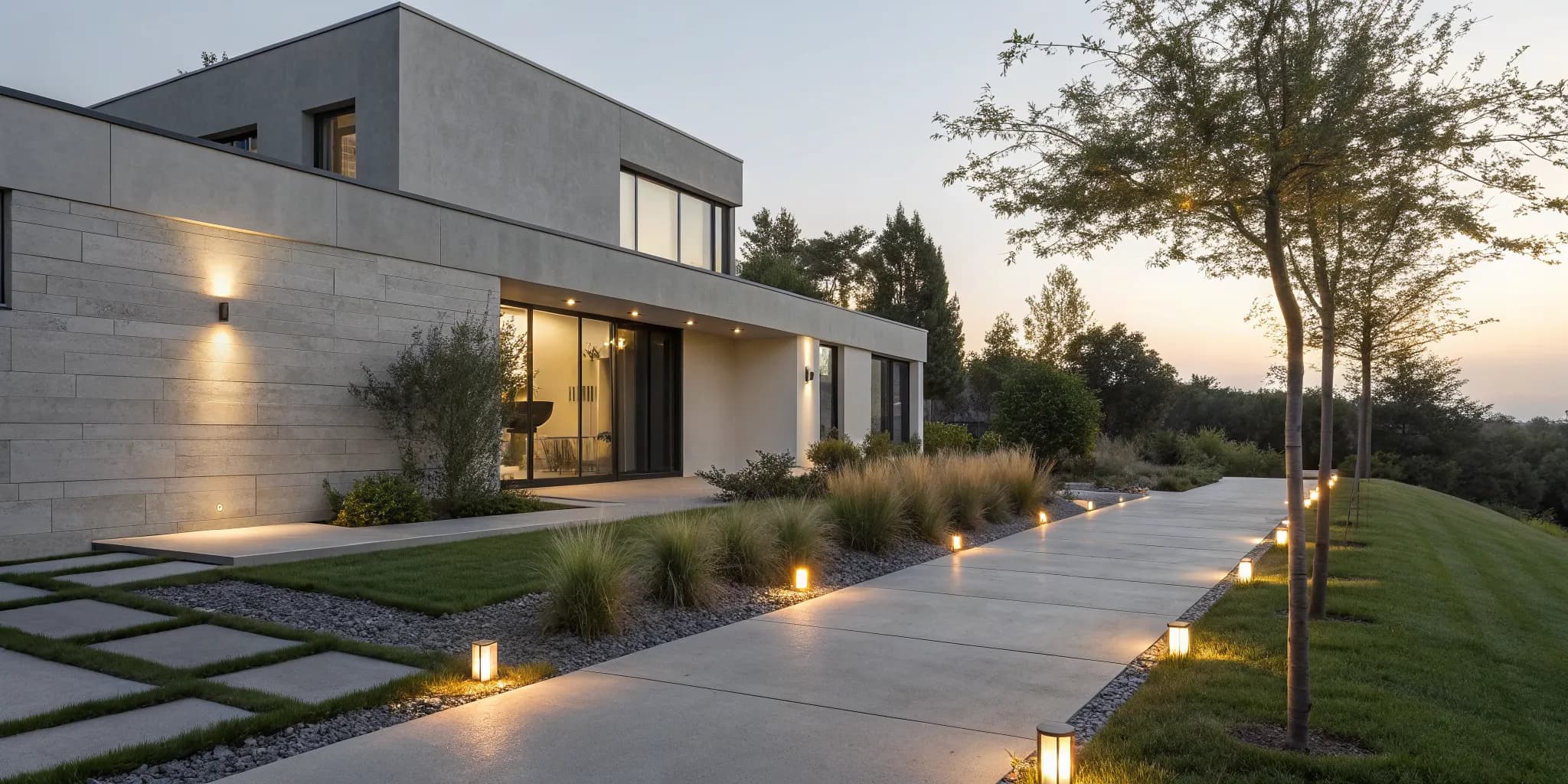
Let's be honest: solar lights have a bit of a reputation to overcome. Maybe you’re picturing those dim, flimsy plastic stakes from a decade ago that barely lasted through a single summer. It’s a common concern, along with worries that they won’t be bright enough or won't work on cloudy days. The good news is that modern solar technology has come a very long way. Today’s solar lights are brighter, more durable, and more reliable than ever before. In this post, we’ll debunk the common myths and show you what today’s high-quality options are truly capable of.
Key Takeaways
- Focus on key specs for better performance: To get lights that last, check the technical details. Look for the right brightness (lumens), a high-capacity battery (mAh), and a strong weather-resistance rating (like IP65) to ensure they shine bright through every season.
- Choose the right light for the right job: A single light type can't do it all. Use decorative path lights for walkways, powerful flood lights for driveways, and motion-sensing security lights for entry points to create a layered and effective lighting plan.
- Solar lights are a cost-effective and low-effort solution: Forget the myths about dim, unreliable lights. Modern solar technology is bright and works even on cloudy days. With no electricity costs and simple DIY installation, they are a smart investment that pays for itself.
How Do Solar Lights Work, Anyway?
Solar lights are one of the easiest ways to add ambiance and security to your outdoor space, and the best part is they work almost like magic. You just stick them in the ground, and they light up when it gets dark. But what’s really going on inside that little package? The technology is actually quite straightforward, combining a few key components to give you effortless light, night after night. Understanding how they work will help you choose the right ones for your yard and get the most out of them.
The simple science of turning sun into light
At the heart of every solar light is a small solar panel. This panel is made of photovoltaic cells, the same technology used in large rooftop solar systems. Throughout the day, these cells absorb sunlight and convert it into electrical energy. This energy doesn’t power the light directly; instead, it’s sent to a rechargeable battery for storage. Think of the battery as a tiny power bank just for your light. When a built-in photoreceptor detects that the sun has set, it signals the light to turn on, drawing power from the battery to illuminate your space. This simple, self-contained cycle is what makes solar garden lighting so wonderfully low-maintenance.
Automatic lighting and other smart features
Modern solar lights are designed to be completely hands-off. The most fundamental feature is automatic dusk-to-dawn sensing. This means the light knows when to turn on at night and, just as importantly, when to turn off in the morning to start charging again. This prevents any wasted energy. Many lights also include motion sensors for added security and efficiency. These lights often stay in a dim, power-saving mode until they detect movement, at which point they switch to full brightness. This is perfect for illuminating pathways when you walk by or deterring unwanted visitors from your property, all without draining the battery unnecessarily.
Upfront cost vs. long-term savings
While some high-end solar lights can have a higher initial price tag than traditional fixtures, they save you money over time. Since they run entirely on sunlight, they add nothing to your monthly electricity bill. The savings really add up when you consider installation. You can forget about the high cost of hiring an electrician to run wiring or dig trenches in your yard. Most solar powered outdoor lights are a simple DIY project you can complete in an afternoon. For many people, the convenience and long-term savings mean the lights effectively pay for themselves, making them a smart and sustainable investment for your home.
How to Choose the Best Solar Lights
Shopping for solar lights can feel overwhelming with all the different specs and features. But once you know what to look for, it’s easy to find the perfect fit for your space. Think of it like a simple checklist. By focusing on a few key areas like brightness, battery, and durability, you can confidently pick a set of lights that will perform well and last for years. Let’s walk through the most important factors to consider.
Understanding brightness (lumens)
When you’re comparing lights, the first thing to check is the brightness, which is measured in lumens. The higher the lumen count, the brighter the light will be. For decorative pathway lights, a gentle glow of 10 to 50 lumens is usually enough. But for security lights that need to illuminate large areas like a driveway or backyard, you’ll want something much brighter. Look for lights that offer at least 700 lumens or more for effective security lighting. Many lights also include motion sensors, which is a great feature for saving energy while providing a bright blast of light right when you need it.
What to know about battery life and capacity
The battery is the heart of your solar light. It stores the energy collected from the sun during the day to power the light all night long. A light is only as good as its battery, so this isn't a feature to overlook. Look for the battery’s capacity, which is measured in milliamp-hours (mAh). A higher mAh number generally means a longer runtime. Reliable batteries are essential for consistent, dusk-to-dawn lighting, ensuring your yard doesn’t go dark before the sun comes up. Some lights even have replaceable batteries, which can extend the product's lifespan even further.
Checking solar panel quality
The solar panel is what captures sunlight and converts it into energy for the battery. The quality of the panel directly affects how quickly and efficiently the light charges, especially on overcast days. The most common types are monocrystalline and polycrystalline panels. Monocrystalline panels are typically more efficient and have a sleeker, dark look, while polycrystalline panels are a bit less efficient but also effective. Investing in lights with high-quality photovoltaic panels ensures they charge faster and maintain consistent brightness throughout the night, giving you better performance overall.
Finding weather-resistant lights (IP ratings)
Since your solar lights will live outdoors, they need to be tough enough to handle rain, wind, and dust. To figure out how durable a light is, check its Ingress Protection (IP) rating. This two-digit number tells you how well the light is sealed against solids (like dust) and liquids (like water). For outdoor use, you should look for a light with an IP65, IP66, or IP67 rating. A rating of IP65 means the light is completely protected from dust and can withstand jets of water, making it perfect for most weather conditions.
Motion sensors and different light modes
Modern solar lights often come with smart features that give you more control and help conserve energy. Motion sensors are one of the most practical additions, especially for security lights. They keep the light dim or off until movement is detected, at which point they switch to full brightness. This saves battery life for when it’s truly needed. Many lights also use LED technology, which is incredibly energy-efficient and long-lasting. Look for models with different modes, such as a "dim all night" mode or a "bright when motion is detected" mode, to customize the lighting to your needs.
Installation and warranty considerations
One of the best things about solar lights is how simple they are to set up. Because they don’t require any electrical wiring, you can install them quickly yourself without needing to hire an electrician or dig trenches in your yard. Most pathway lights just stake into the ground, while wall and security lights can be mounted with a few screws. Before you buy, it’s also a good idea to check the warranty. A longer warranty, which can range from one to seven years, often indicates a higher-quality product and gives you peace of mind that the manufacturer stands behind it.
Find the Right Type of Solar Light for Your Space
Once you know what to look for in terms of brightness and battery, the next step is matching the light to your space. A tiny path light won’t do much to illuminate your driveway, and a powerful floodlight is probably overkill for your flower bed. Different solar lights are designed for specific jobs, so picking the right one is key to getting the results you want. Let's walk through the most common types to help you find the perfect fit for every corner of your yard.
Pathway and garden lights
Pathway and garden lights are perfect for adding a gentle, guiding glow to your walkways and highlighting your favorite plants after dark. They’re typically sold in sets and are easy to install, usually just by staking them into the ground. These lights aren't meant to be intensely bright; instead, they provide enough illumination to prevent trips and create a beautiful, layered look in your landscaping. When you're shopping, you'll find that some of the best solar path lights are praised for their balance of aesthetic appeal and reliable performance, casting a warm and inviting glow that makes your garden feel magical.
Solar flood lights
When you need to light up a large area, solar flood lights are your best bet. These powerful fixtures cast a wide, bright beam, making them ideal for driveways, backyards, or the side of a house. They are built to be durable and can handle tough weather, from heavy rain to summer heat. Because they are designed for performance, you can find commercial-grade solar lighting that provides serious illumination without needing a connection to your home’s electrical grid. This makes them a practical choice for enhancing both visibility and security around your property’s biggest open spaces.
Solar security lights
Solar security lights are designed with one main goal: to keep your property safe. Their most important feature is motion detection, which keeps the light off or dim until it senses movement. This sudden burst of light is great for startling potential intruders and alerting you to activity outside. It also helps conserve battery power, ensuring the light is ready when needed. You’ll want to install these above garage doors, near entryways, and along the dark corners of your property. Considering the top features for solar lights like motion sensitivity and brightness will help you choose a model that gives you peace of mind.
Decorative and string lights
If you want to add a touch of magic and create a cozy atmosphere, decorative solar lights are the way to go. Solar string lights, often called bistro or fairy lights, are perfect for draping over a patio, pergola, or balcony. They instantly make any space feel more inviting and are perfect for outdoor dinners or just relaxing on a warm evening. There are tons of styles available, from classic Edison bulbs to tiny, twinkling fairy lights. Some of the best solar string lights are incredibly popular for their durability and the warm, consistent glow they provide, helping you create a charming outdoor oasis.
Solar wall and post lights
Solar wall and post lights are a fantastic way to add layered lighting to your home’s exterior. You can mount them on walls, fences, deck posts, or gate pillars to provide ambient light or highlight architectural features. They offer a clean, built-in look without the hassle of wiring. These fixtures are great for illuminating house numbers, lighting up your front porch, or adding a warm welcome along your driveway entrance. Many of the best solar outdoor lights are post lights, valued for their ability to combine style with practical, everyday function.
Do Solar Lights Work on Cloudy Days?
It’s one of the first questions everyone asks: "But what happens when it's cloudy?" It's a fair point. After all, "solar" is right there in the name. The short answer is yes, solar lights absolutely work on cloudy days and even during the winter. The panels on your lights are designed to absorb energy from any daylight, not just direct, brilliant sunshine. While a string of overcast days might mean slightly dimmer or shorter run times, modern solar lights are surprisingly resilient. It all comes down to understanding what to expect and placing your lights in the best possible spot to soak up whatever light is available.
What to expect in winter and low-light areas
Let's clear up one of the biggest myths about solar energy: that your lights will go dark the second a cloud appears. The truth is, solar panels are more efficient than ever and can still generate power on overcast days. Think of it like getting a sunburn on a cloudy day (we’ve all been there). UV rays still get through, and in the same way, your solar panels can still absorb energy. On a gloomy winter day, the battery might not get a full 100% charge, so your lights may not last the entire night. However, you can still expect them to turn on and provide light for several hours.
Tips for the best charging placement
Getting the most out of your solar lights is all about location, location, location. To give your lights the best chance to shine, you need to place them where they can get the most direct sunlight possible, ideally for six to eight hours a day. Take a day to watch how the sun moves across your yard. The best spots are often the most obvious ones, away from the shade of large trees, awnings, or your home's roofline. Also, remember to keep the panels clean. A quick wipe with a damp cloth to remove dust, pollen, or snow will help maximize their performance and ensure they’re charging as efficiently as possible.
Our Top Picks: The Best Solar Lights for Any Yard
After plenty of research, I’ve put together a list of the best solar lights that stand out for their performance, durability, and style. Whether you need to light up a pathway, secure your property, or just add a little sparkle to your patio, there’s a great option here for you. Let's find the perfect lights for your yard.
Best overall solar light
For a light that does it all and looks great doing it, my top pick is the Brightech Ambience Pro Solar Powered Outdoor String Lights. These aren't just for parties; they create a warm, inviting atmosphere for any evening. What really sells them is the overwhelming customer satisfaction, with a 4.4-star rating from over 36,000 reviews on Amazon. They are built to last, with shatterproof plastic bulbs that can withstand the elements. The solar panel is also robust, providing enough power to keep your space lit for hours after the sun goes down. They are perfect for hanging over a patio, deck, or garden.
Best solar pathway lights
Lighting up your walkways is important for both safety and style. My favorite solar path lights are the Better Homes & Gardens Elijah Path Lights. For around $57, you get a set of four that look far more expensive than they are, casting a beautiful and effective glow. They are a fantastic value. A very close second is the Brown Low Voltage Solar Powered Integrated Path Lights from Wayfair. You get six lights for a similar price, giving you great coverage for longer paths. Both options provide reliable, attractive lighting that will make your garden paths safer and more inviting after dark.
Best solar flood light
When you need serious brightness to illuminate a large area, a solar flood light is the way to go. The Harbor Breeze Solar LED Outdoor Post Light is a top performer in this category. It’s designed to deliver powerful, wide-reaching light, making it ideal for driveways, backyards, or the side of your house. What makes it stand out is its reliability and strong performance, earning it high marks from reviewers. According to Consumer Reports, this light is a solid choice for anyone needing robust outdoor lighting without the hassle of wiring. It’s a simple, effective solution for big lighting jobs.
Best solar security light
For keeping your property secure, you want a light that’s smart, reliable, and bright. The Linkind SP6 Smart Solar Pathway Lights are an excellent choice because they go beyond basic motion detection. These lights feature some truly advanced capabilities, including app connectivity that lets you control them from your phone and wireless synchronization so multiple lights can work together. They also use efficient MPPPT solar charging to get the most out of every bit of sunlight. This combination of smart features and dependable performance ensures your home is well-lit and secure, giving you extra peace of mind.
Best decorative solar lights
Solar lights can be beautiful as well as functional. If you want to add a touch of elegance to your garden, I recommend the 4lite Antheia outdoor LED solar-powered decorative bollard/spike light. This light proves you don’t have to choose between aesthetics and performance. It has a gorgeous, modern design that enhances your landscape during the day and casts a lovely glow at night. It also includes a PIR sensor for motion detection, adding a layer of practical security. It’s one of the best solar lights for combining decorative appeal with useful functionality, making it a perfect accent for flower beds or patios.
Best solar wall light
Adding lights to your walls can highlight your home’s architecture and create a cozy outdoor living space. The Hampton Bay Outdoor Solar LED Edison Bulb String Light is a fantastic choice for this. While they are string lights, their design is perfect for mounting along a wall or under an eave. The vintage-style Edison bulbs add a ton of charm and character, creating a warm, stylish ambiance. They are more than just a pretty face; they provide effective illumination and have been noted as a best solar outdoor light for their blend of style and function. They’re an easy way to add a designer touch to your outdoor space.
What Do You Get for Your Money?
Walking down the lighting aisle or scrolling online, you’ll see solar lights at every price point, from a few dollars for a simple stake light to hundreds for a high-end system. It can be tough to figure out what’s actually worth the investment. The price difference usually comes down to a few key factors: the quality of the solar panel, the battery’s capacity and lifespan, and the durability of the materials. A more expensive light isn't just brighter; it’s often built to better withstand years of rain, sun, and snow.
Think of it like buying any other fixture for your home. You can find a basic model that works, a mid-range option that offers the best value, or a premium version with top-tier performance and features. Let’s break down what you can expect from each tier so you can find the perfect fit for your yard and your wallet.
Budget-friendly solar lights
You don’t need to spend a lot to get started with solar lighting. Budget-friendly options are perfect if you’re just dipping your toes in or need to illuminate a simple garden path. Lights like the Harbor Breeze Solar Post Light or Hampton Bay’s Edison bulb string lights are great examples. While they may not have the powerful output or heavy-duty metal construction of pricier models, they are surprisingly reliable for the cost. You can find many affordable lights that provide decent performance without stretching your budget, making them a smart way to add a touch of light and ambiance to your space.
Mid-range lights (the best value)
This is the sweet spot where quality and cost find a perfect balance. For a bit more money, you get a significant upgrade in performance, durability, and features. Mid-range lights, like the 4lite Antheia decorative light, often include better batteries for longer run times and smarter features like motion sensors. The materials are also a step up, with more metal and weather-resistant plastics. These lights are designed to last longer and shine brighter, giving you the best return on your investment. For most homeowners, this category combines functionality with aesthetic appeal beautifully, making it the ideal choice for everyday use.
Premium lights (for top performance)
If you’re looking for the brightest, most durable, and longest-lasting solar lights on the market, the premium tier is where you’ll find them. These lights are an investment, but they deliver professional-grade performance. Options like the Brightech Ambience Pro string lights are built with commercial-grade materials and powerful batteries that keep them shining brightly all night. Other product tests highlight the quality and effectiveness of high-end path lights, which often feature cast aluminum or brass construction. You’re paying for superior weather resistance, maximum brightness, and advanced solar technology that performs reliably even in less-than-ideal conditions.
Are Solar Lights Worth It? Common Myths, Debunked
Solar lights sound great in theory, but maybe you've heard some things that make you hesitate. Do they actually work? Are they a hassle? It's easy to be skeptical, especially if you remember the dim, unreliable solar tiki torches of the past. Let's clear the air and look at some of the most common myths about solar lighting. You might be surprised to find that today's solar technology is more powerful and practical than you think.
Myth #1: "They aren't bright enough."
This is probably the biggest concern people have, and it’s a fair one. Early solar lights were pretty underwhelming. But technology has come a long way. Modern solar lights use powerful and efficient LED technology to produce bright, consistent light. Instead of a faint glow, you can get powerful illumination that’s perfect for lighting up pathways, gardens, and even entire driveways. The key is to check the lumen count when you buy. A higher lumen number means a brighter light, and many solar options today are just as bright as their traditional wired counterparts. You no longer have to sacrifice brightness for energy efficiency.
Myth #2: "They require constant maintenance."
It’s easy to assume that a techy gadget like a solar light would need a lot of upkeep, but the opposite is usually true. Solar lights are designed to be incredibly low maintenance. The LED bulbs have impressive lifespans, often lasting for 50,000 hours or more, so you won't be changing them constantly. The solar panels themselves are also built to last, with many rated for over 20 years of use. The only task you’ll really need to do is give the panels a quick wipe with a damp cloth every so often to clear off any dust or debris that might block the sun. That’s it. No wiring to check, no bulbs to swap every season.
Myth #3: "They're too expensive."
While some high-end solar lights have a higher price tag than a basic wired fixture, they save you money in the long run. Think about it: their power source is the sun, which is completely free. You won't see an increase in your electricity bill, no matter how many lights you install. Plus, you don't need to hire an electrician for a complicated installation. Most solar lights are a simple DIY project. When you factor in the zero energy costs and easy setup, the initial investment pays for itself. Choosing solar is also a great way to use renewable energy at home, reducing your environmental footprint.
Where to Find Great Deals on Solar Lights
Finding a great deal on solar lights isn’t just about snagging the lowest price; it’s about finding that sweet spot where affordability meets quality. A cheap light that dies after one season isn’t a bargain, it’s a waste of money. The key is to shop smart by looking in the right places and knowing what to look for. By combining expert opinions with real-world user feedback, you can find reliable, beautiful solar lights that fit your budget and will last for years. Keep an eye out for seasonal sales, especially at the end of summer, to get the best value.
Start with Expert Recommendations
Before you start adding items to your cart, let the experts do some of the heavy lifting for you. Reputable publications and blogs often conduct thorough testing on dozens of solar lights to see which ones perform best in real-world conditions. These reviews can save you a ton of time and prevent the disappointment of buying a dud. For example, you can find curated lists of tested and reviewed lights from sources like BBC Gardeners World Magazine, which helps you see how different models stack up. Starting with these trusted sources helps you create a shortlist of high-quality options, making the rest of your search much easier.
Scan Customer Feedback and Video Reviews
Once you have a few contenders, your next step is to see what actual buyers have to say. Customer reviews on major retail sites are an invaluable resource for getting an honest picture of a product's long-term performance. A product with thousands of positive ratings, like the string lights highlighted by Solar Reviews, is a pretty safe bet. Look for comments that mention durability through different seasons and check out customer-submitted photos to see how the lights look in a real yard, not just in polished product shots. Don’t forget to search for video reviews to see the product in action.
Compare Prices at Major Retailers
Armed with your research, it’s time to hunt for the best price. Compare prices across major online marketplaces like Amazon and big-box stores like Walmart, Home Depot, and Lowe’s. These retailers are often in direct competition, which can lead to great deals for you. Home and DIY blogs are also fantastic resources for finding stylish and affordable options. For instance, the team at Chris Loves Julia tested several models and found their top pick at Walmart, showing that you don’t always have to buy from a specialty store to get a high-quality product. Check for online coupons and in-store promotions to maximize your savings.
Frequently Asked Questions
How much direct sunlight do my solar lights need each day? For your lights to shine their brightest all night long, you should place them where they can get about six to eight hours of direct sunlight. Think about the sunniest spots in your yard, away from the shade of your house, large trees, or porch awnings. This exposure gives the battery plenty of time to get a full charge.
Will my solar lights still work during winter or on cloudy days? Yes, they absolutely will. The solar panels are designed to absorb energy from any daylight, not just bright, direct sunshine. While a long stretch of very gloomy weather might mean the lights are a bit dimmer or don't last from dusk until dawn, they won't simply stop working. Modern panels are quite efficient at making the most of whatever light is available.
How long can I expect my solar lights to last? The lifespan really depends on the quality of the light you buy. The LED bulbs themselves are incredibly durable and can last for many years. The component that usually wears out first is the rechargeable battery, which you can often replace after a year or two to extend the light's life. Better quality lights made with weather-resistant materials like metal will naturally hold up longer than less expensive plastic models.
Do I really need to worry about lumens and IP ratings? Paying attention to those two specs is the quickest way to know if a light will meet your expectations. Lumens tell you how bright the light will be, which is crucial for deciding between a soft pathway glow and a powerful security floodlight. The IP rating tells you how well the light is protected against dust and water. An IP65 rating or higher is a good sign that your lights are built to handle rain and other outdoor conditions.
Is it worth spending more on premium solar lights? For most situations, yes. A higher price tag typically means you're getting better quality components all around. This includes a more efficient solar panel, a higher-capacity battery for longer runtimes, and more durable, weather-resistant materials. While budget lights are great for simple decorative touches, investing a bit more for key areas like pathways or security often means better performance and a product that will last for many seasons.