
2026-09-28
8 Best Commercial Lighting Design Companies Compared
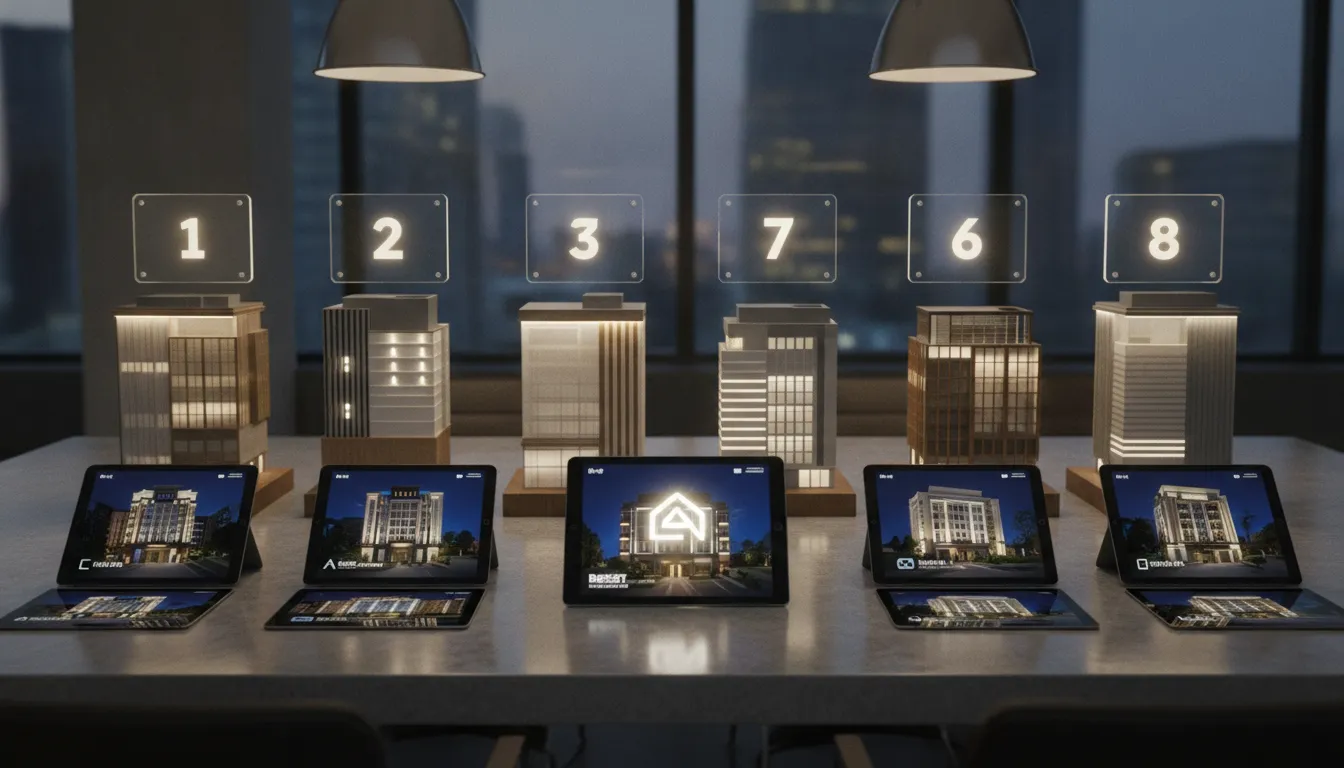
Commercial exterior lighting can support much more than holiday decorating. A thoughtful system can highlight architectural details, clarify entrances, guide people along walkways, and give your business a consistent appearance throughout the year. It can also add color and personality during Christmas, Halloween, community events, promotions, and celebrations. Finding the best commercial lighting design companies starts with understanding what each provider actually delivers. Does the company create the design, install the system, program the controls, and provide service afterward? Does it offer low-profile LEDs and flexible scheduling? The answers can help you invest in lighting that remains useful long after installation.
Key Takeaways
- Evaluate the full service offering: Choose a commercial lighting partner that can support site planning, fixture selection, installation, programming, commissioning, and ongoing maintenance.
- Compare long-term value, not just upfront cost: Review energy use, durability, warranty coverage, control features, replacement access, service terms, and future expansion options.
- Match the system to your property and goals: Select lighting that supports architecture, visibility, branding, safety, seasonal displays, and special events across your storefront, campus, HOA, or commercial property.
What Sets the Best Commercial Lighting Design Companies Apart?
The best commercial lighting design companies do more than recommend attractive fixtures. They study how people use a property, how visitors move through it, and how lighting can support safety, visibility, architecture, and brand identity. A successful plan may make an entrance easier to find, a walkway more comfortable to use, or a building more recognizable after sunset.
Strong partners also connect creative direction with practical details. They consider energy use, maintenance access, controls, local requirements, and long-term fixture performance. These considerations matter whether you are lighting a retail storefront, office campus, hotel, school, HOA, or large commercial property.
When comparing providers, look beyond polished portfolio photos. Ask how each company approaches planning, installation, programming, documentation, and ongoing support. The right partner should explain why a lighting choice suits your property, not simply show you what it looks like.
Balance beauty, function, safety and visibility with architecture-first design
Effective commercial lighting starts with the building and property, not a fixture catalog. A designer should study architectural lines, exterior materials, landscaping, entrances, parking areas, signs, and pedestrian routes before recommending a layout.
This architecture-first approach helps lighting feel intentional rather than added as an afterthought. It can draw attention to a façade, create a clear path to an entrance, and improve visibility in areas that need extra care. The Architizer Journal’s overview of leading lighting design firms explains how thoughtful lighting can shape mood, highlight materials, guide movement, and influence how people experience a space.
For businesses, the goal is balance. Lighting should make a property noticeable without creating harsh glare, distracting bright spots, or an overly bright appearance that competes with the architecture.
Apply expertise in lumens, color temperature, glare and code compliance
A professional lighting plan depends on more than choosing a warm or cool-looking bulb. Designers need to understand lumens, which describe light output, as well as color temperature, beam spread, glare, shadowing, and fixture placement. These details affect how welcoming, comfortable, and usable a property feels after dark.
Color temperature can change the character of a space. Warmer light may suit hospitality, residential communities, and historic architecture, while a more neutral tone may work well for offices, retail settings, and service areas. Glare control is just as important because excessive brightness can make signs, walkways, and entrances harder to see.
The Architizer Journal’s lighting design guide notes that experienced designers combine technical knowledge with artistic judgment. They should also account for electrical requirements, accessibility considerations, local energy codes, and site-specific safety needs before installation begins.
Support brand identity and occupant experience through artistic design
Commercial lighting can influence how people perceive a business. A restaurant may use warm, layered lighting to create a relaxed atmosphere. A retail store may highlight displays and signage. An office campus may use consistent exterior lighting to create a polished, recognizable presence across several buildings.
The best designers connect these choices to the company’s identity instead of applying the same layout to every property. Color, intensity, timing, and fixture placement can all shape the experience customers, employees, tenants, and visitors have when they arrive.
This is especially useful for businesses that host events or change their exterior appearance throughout the year. Lit 365 systems provide everyday accent lighting, seasonal displays, and event-specific color patterns from one professionally installed system. The TM Light profile from Architizer describes a similar design mindset, treating lighting as part of a building’s identity and working closely with clients and designers.
Design interior, exterior and property-wide lighting
Some companies focus on one area, such as architectural interiors or landscape lighting. Others can coordinate a complete property-wide plan that includes building exteriors, entrances, pathways, parking areas, signage, courtyards, common areas, and interior spaces.
A coordinated approach helps prevent disconnected lighting decisions. For example, a brightly lit entry may feel out of place if the walkway leading to it is dim. A carefully designed façade may also lose its impact when nearby landscaping, signs, or parking areas have inconsistent color and intensity.
Ask prospective partners which parts of a project they handle directly and which services they outsource. HOK’s lighting design work shows how lighting can be integrated with architecture and interior design across buildings and other built environments. For business owners and property managers, one coordinated plan can simplify communication, scheduling, programming, and future service.
Serve different property types, project sizes and budgets
A small storefront, hotel campus, and multi-building office property do not need the same lighting strategy. The best commercial lighting companies adapt their process to the site, project scope, operating schedule, and available budget.
That does not mean a smaller project should receive less thoughtful design. It means the provider should prioritize areas with the greatest impact, such as entrances, signs, customer-facing façades, pedestrian paths, and gathering spaces. Larger properties may require zoning, centralized controls, phased installation, and coordination among several contractors.
Review each company’s experience with properties similar to yours. The HLB Lighting Design profile highlights work across hospitality, healthcare, education, and infrastructure. A broad portfolio is useful, but relevant experience matters most. Look for evidence that the company understands your property type, users, operating needs, and project constraints.
Plan for energy use, durability and lifecycle value
The purchase price is only one part of a commercial lighting project. Property owners should also consider electricity use, expected fixture life, maintenance access, replacement costs, programming, and how easily the system can be adjusted or expanded later.
Efficient LED fixtures can reduce energy consumption and the need for frequent lamp replacements. Efficiency alone, however, does not guarantee good value. A fixture must suit its location, weather conditions, operating hours, and desired appearance. Outdoor products should be rated for their environment, with wiring and mounting planned for long-term reliability.
Ask for a clear explanation of expected operating costs and maintenance needs. HOK’s lighting design approach focuses on providing the appropriate amount of light while using energy carefully. That principle can help commercial property owners control expenses while maintaining a consistent, attractive appearance.
Collaborate with architects, engineers, contractors and property managers
Lighting affects many parts of a commercial project, so successful planning requires clear communication among everyone involved. Architects may define the visual direction, engineers may coordinate electrical capacity, contractors may manage installation, and property managers may provide information about access, schedules, maintenance, and daily operations.
A strong lighting partner joins these conversations early. Early coordination can help resolve fixture locations, mounting details, wiring routes, control zones, and installation timing before they cause delays or costly changes. It also gives the design team a better understanding of how the property functions after construction is complete.
During the selection process, ask who will attend coordination meetings and who will handle final adjustments. Many leading firms treat lighting as an integrated part of architectural design, working with architects, developers, interior designers, brands, and clients, as described in Architizer’s review of commercial lighting firms. For exterior systems, collaboration with property managers is especially important because access and seasonal schedules can affect installation and service.
Compare design firms, manufacturers, installers and controls specialists fairly
Not every lighting company provides the same service. A design firm may create concepts, layouts, specifications, and photometric documents. A manufacturer may produce the fixtures. An installer may handle mounting, wiring, and commissioning. A controls specialist may program schedules, sensors, dimming, and remote management.
These roles can overlap, so clarify what each proposal includes. Ask whether the company supplies products, installs them, programs the system, provides documentation, and supports the property after completion. A low fixture price may not mean a lower total cost if design, installation, controls, or service appear as separate line items.
It also helps to compare the product range and guidance available to you. Lightology’s commercial lighting collection illustrates how broad product access and professional advice can support commercial projects. For permanent outdoor lighting, look for a provider that combines durable, low-profile LEDs with clean installation, customization, scheduling, and dependable support.
Which Commercial Lighting Design Companies Should You Compare?
The right commercial lighting partner depends on your property, design goals, budget, and desired level of support. A permanent outdoor lighting installer may be ideal for a business campus, retail property, or managed community. An architectural lighting studio may be better suited to a museum, hotel, civic building, or large mixed-use development.
The companies below represent different parts of the commercial lighting industry. Some focus on permanent exterior LED systems, while others specialize in architectural concepts, daylighting, hospitality, infrastructure, or complex building projects. Comparing their specialties can help you create a shortlist that fits your project.
As you review each company, look beyond portfolio images. Consider whether the firm has experience with your property type, understands your control and installation requirements, and provides support after the project is complete. Also confirm whether you are hiring a design consultant, manufacturer, installer, or partner that manages the process from concept through commissioning.
1. Lit 365: Permanent outdoor LED lighting for businesses, campuses and managed properties
Lit 365 specializes in permanent outdoor LED lighting for businesses, campuses, managed properties, and other exterior spaces. Its systems remain in place throughout the year, providing everyday accent lighting as well as customizable displays for holidays, events, and special occasions.
This approach suits property owners who want attractive exterior lighting without installing and removing temporary strands each season. Low-profile LED fixtures can be incorporated into rooflines, eaves, entrances, and other architectural features to create a clean appearance during the day and a polished display after dark.
When comparing Lit 365 with traditional architectural lighting firms, ask about the installation process, color options, scheduling, controls, warranty coverage, and maintenance access. Businesses should also confirm service availability in their area and discuss requirements related to commercial properties, HOAs, campuses, or property-management teams.
2. L’Observatoire International: Architectural lighting for cultural, civic and public spaces
L’Observatoire International is an architectural lighting design studio recognized for its work in cultural, civic, and public spaces. Its approach treats light as part of the architecture, using illumination to guide movement, establish visual hierarchy, and shape how people experience a place.
This type of firm may suit museums, plazas, transportation spaces, memorials, and civic projects where lighting needs to do more than provide visibility. The design may need to direct visitors, highlight significant architectural details, or create a recognizable identity without overwhelming the building.
The Architizer overview of leading lighting design firms provides useful context on L’Observatoire International and similar studios. When reviewing a firm with this design approach, ask how it coordinates with architects, addresses public safety, controls glare, and turns an artistic concept into a durable, maintainable installation.
3. TM Light: Custom lighting concepts for branded commercial environments
TM Light focuses on custom lighting concepts for branded commercial environments. Its work emphasizes collaboration with clients, architects, and designers, allowing lighting to become part of a space’s identity rather than an afterthought.
This approach can work well for retail locations, hospitality venues, showrooms, restaurants, and corporate environments where the atmosphere needs to support a specific brand. Lighting may draw attention to merchandise, reinforce a color palette, create a memorable entrance, or influence how customers move through the property.
When comparing TM Light with an installation-focused provider, clarify how much of the engagement covers concept development, technical documentation, fixture selection, and construction support. Ask to see projects with similar branding and operational needs. Your lighting partner should explain how the design will perform at different times of day and how staff can control it during events or regular operations.
4. HLB Lighting Design: Hospitality, infrastructure and large-scale lighting systems
HLB Lighting Design brings decades of experience to hospitality, healthcare, education, infrastructure, and other large-scale projects. Its broad project experience makes it a relevant option for clients managing developments with several lighting requirements and multiple project stakeholders.
Large commercial projects often require more than attractive fixtures. The lighting team may coordinate with architects, electrical engineers, landscape designers, contractors, and facility managers. It may also address energy performance, occupant comfort, emergency considerations, controls, and maintenance throughout the design process.
Review HLB’s lighting design services if your project includes multiple buildings, public areas, or extensive technical coordination. During the selection process, ask how the firm handles documentation, site reviews, commissioning, and construction changes. Confirm who manages fixture specifications and controls when several buildings need a consistent lighting system.
5. Tillotson Design Associates: Integrated lighting for corporate, museum and mixed-use projects
Tillotson Design Associates takes an integrated approach to lighting design, working with developers, architects, interior designers, and project teams. Its portfolio includes corporate, museum, cultural, and mixed-use projects where lighting must support both the architecture and the people using it.
This collaboration can be valuable when interior and exterior lighting need to feel connected. A mixed-use development, for example, may require one strategy for public circulation, another for retail spaces, and separate solutions for offices, residences, or cultural areas. The lighting plan should bring those elements together without making every space look the same.
The firm’s project portfolio can help you evaluate its design range and project involvement. Ask whether senior designers remain involved throughout the work, how the team coordinates with contractors, and which documents it provides for installation. Clear communication is especially important when several owners, designers, and operators share decision-making responsibilities.
6. Cline Bettridge Bernstein Lighting Design: Daylighting, sustainability and energy management
Cline Bettridge Bernstein Lighting Design focuses on the relationship between natural light, electric lighting, occupant comfort, and energy use. Its work offers a useful reference for projects that place sustainability and daylighting at the center of the design process.
A daylighting strategy can improve offices, educational spaces, cultural buildings, and public interiors while reducing unnecessary electric lighting during occupied hours. However, the design must still control glare, provide consistent visibility, and perform well as daylight changes throughout the day and across seasons.
Review CBB Lighting Design’s work to understand its approach to sustainability and architectural integration. When comparing similar firms, ask how they measure energy performance, select control strategies, and coordinate daylight sensors with dimming systems. Request practical information about maintenance, replacement cycles, and operating costs before approving the design.
7. Fisher Marantz Stone: Cultural, civic, hospitality and institutional lighting
Fisher Marantz Stone designs lighting for cultural, civic, hospitality, institutional, and other architectural environments. Its work considers lighting as part of a building’s identity, visitor experience, and relationship with the surrounding community.
This experience may suit museums, theaters, hotels, public buildings, universities, and landmark properties. These spaces can require carefully controlled illumination for artwork, comfortable light for visitors, dramatic effects for events, and efficient systems for everyday operations. They may also have requirements related to preservation, accessibility, energy use, or public safety.
The Fisher Marantz Stone portfolio helps property owners assess the firm’s project range and design style. Before hiring a similar firm, ask how it balances visual impact with maintenance and operating needs. Confirm whether its services include fixture schedules, control specifications, aiming plans, commissioning support, and post-installation adjustments.
8. HOK: Architecture-integrated lighting for complex commercial developments
HOK provides architecture-integrated lighting design for complex commercial and institutional developments. Its approach places lighting within the broader architectural, engineering, and planning process, which can help projects with several disciplines working at once.
A headquarters, mixed-use development, airport, healthcare facility, or campus may require lighting for interiors, façades, landscapes, public circulation, parking areas, and wayfinding. Coordinating these elements early can improve consistency and reduce conflicts during construction. It can also help the team address comfort, security, energy efficiency, and visual clarity as connected priorities.
HOK’s lighting design discipline offers a useful starting point for reviewing its capabilities. When comparing an architecture-integrated firm, ask how early the lighting team joins the project, how it communicates with engineers and contractors, and how it manages design changes. Confirm whether the proposal includes technical drawings, photometric studies, controls coordination, construction administration, and final commissioning.
Compare each firm’s specialties, project types, technology and services
These companies are not interchangeable, so your comparison should begin with your project goals. Lit 365 may be a practical fit for permanent exterior LED lighting, seasonal displays, and managed-property applications. A firm such as L’Observatoire International, Fisher Marantz Stone, or Cline Bettridge Bernstein may be better suited to a customized architectural, cultural, or sustainability-focused project.
As you create a shortlist, compare:
- Project experience: Look for work involving your property type, size, location, and operating requirements.
- Scope of services: Confirm whether the company provides design, installation, programming, commissioning, maintenance, or full project coordination.
- Lighting technology: Ask about LED specifications, color control, dimming, sensors, scheduling, remote access, and compatibility with existing systems.
- Technical documentation: Check whether the proposal includes lighting layouts, photometric analysis, fixture schedules, control plans, and code coordination.
- Installation and support: Identify who handles procurement, installation, adjustments, repairs, warranty claims, and replacement access.
- Lifecycle value: Compare energy use, expected service life, maintenance requirements, and options for future expansion.
A portfolio shows what a company has created, but the proposal should explain how it will manage your project. Request clear deliverables, responsibilities, costs, milestones, and service terms before making a decision.
What Commercial Spaces Do These Lighting Companies Serve?
Commercial lighting design companies work across much more than office buildings. Their projects may include storefronts, hotels, campuses, cultural venues, healthcare facilities, airports, infrastructure, and shared residential properties. The right partner depends on your property type, site conditions, lighting goals, budget, and plans for future maintenance.
Some firms focus on complex architectural developments, while others specialize in hospitality, cultural spaces, branded environments, or large commercial facilities. Lit 365 serves a related but distinct need: professionally installed permanent outdoor LED lighting for businesses, campuses, HOAs, and managed properties. Its low-profile systems support everyday curb appeal, seasonal displays, special events, and scheduled lighting scenes from one exterior installation.
When comparing providers, look beyond a portfolio’s visual appeal. Ask whether the company has experience with your building type, understands local requirements, provides control options, and offers support after installation. A small retail property may need a different approach than a corporate campus or regional shopping center. Reviewing each firm’s specialties can help you focus on partners equipped for your project.
Light business exteriors, entrances, signs, campuses and managed properties
Exterior lighting helps visitors find entrances, improves visibility around walkways, and gives a property a finished appearance after dark. Commercial lighting companies may design illumination for façades, monument signs, parking areas, landscaping, loading zones, and shared outdoor spaces.
For businesses with multiple buildings or large grounds, a coordinated plan can make the property feel consistent from one area to the next. Designers may also consider traffic visibility, security, neighboring properties, and maintenance access. HOK’s lighting design work includes exterior and entrance experiences across many built environments.
Lit 365 provides permanent outdoor lighting for storefronts, offices, campuses, and managed properties. Businesses can program subtle everyday lighting, holiday colors, branded displays, or event-specific patterns without installing temporary strands each season.
Design lighting for corporate offices, headquarters and mixed-use developments
Corporate offices and headquarters often need lighting that feels polished without distracting from the building’s architecture. Designers may address entrances, reception areas, rooftop features, landscape elements, parking areas, and employee gathering spaces as part of one visual plan.
Mixed-use developments require additional coordination because offices, retail spaces, restaurants, residences, and public walkways may share the same property. A lighting team must account for different operating hours, tenant needs, wayfinding, safety, and the development’s overall identity.
Firms with experience in new construction and renovation can work within an existing structure or help shape lighting from the beginning. HOK’s commercial lighting services support corporate and mixed-use projects while coordinating lighting with broader architectural goals.
Serve retail stores, showrooms, shopping centers and branded locations
Retail lighting should attract attention while helping customers feel comfortable as they approach and enter a property. Exterior lighting may highlight signage, display windows, architectural details, landscaping, and pedestrian routes. Interior lighting can guide shoppers through showrooms and reinforce the brand’s visual style.
Shopping centers and branded locations also benefit from consistency. A recognizable lighting treatment across multiple stores or properties can create a more intentional customer experience, even when each location has different architecture or site conditions.
Lighting designers often work closely with architects, interior designers, and brand teams to ensure fixture placement and color choices support the business. TM Light’s collaborative approach treats lighting as part of a building’s design identity, which is especially useful for retail and showroom environments.
Light hotels, restaurants, resorts and hospitality venues
Hospitality lighting has to serve several purposes at once. It should make entrances easy to find, create a welcoming first impression, support safe movement, and establish the atmosphere guests expect from the property. Hotels, restaurants, and resorts may need different scenes for daytime, evening service, events, and seasonal promotions.
Designers may coordinate exterior façades, porte-cochères, patios, pools, pathways, dining areas, and landscape features. They also need to consider guest comfort, glare, operating schedules, and the visual relationship between public and private areas.
A hospitality specialist can help create a consistent experience from the parking area to the lobby and guest amenities. HLB Lighting Design’s work reflects the role of innovation, sustainability, and research in lighting for hospitality environments.
Support healthcare, wellness and senior living facilities
Healthcare, wellness, and senior living properties require lighting that feels calm, clear, and easy to use. Exterior lighting can improve visibility at entrances, drop-off areas, parking lots, paths, and courtyards. Interior plans may support wayfinding, staff visibility, patient comfort, and a less institutional atmosphere.
These projects also require careful attention to glare, shadows, color quality, maintenance, and operating schedules. Lighting that looks attractive but creates discomfort or confusion can work against the needs of patients, residents, visitors, and staff.
A qualified commercial lighting team should coordinate with architects, facility managers, electrical professionals, and accessibility requirements. HOK’s lighting practice includes healthcare environments and considers both client budgets and environmental impact.
Serve schools, universities and education campuses
Schools and universities often combine classrooms, residence halls, athletic facilities, libraries, administrative buildings, and outdoor gathering areas. A campus lighting plan must make these spaces feel connected while addressing different uses, schedules, and safety needs.
Outdoor lighting may cover entrances, pedestrian paths, courtyards, athletic areas, parking zones, and campus landmarks. Designers can also use lighting to strengthen school identity during events, support visitor wayfinding, and create more inviting places for students to gather.
Large campuses benefit from a coordinated control strategy that lets facility teams adjust schedules by building or zone. This can reduce unnecessary operating hours and simplify maintenance. Tillotson Design Associates works with developers, architects, and designers on projects that include educational institutions.
Design lighting for museums, theaters, cultural venues and public spaces
Museums, theaters, civic buildings, and other cultural venues often use lighting as part of the visitor experience. A design may highlight a building’s façade, frame an entrance, guide visitors through outdoor spaces, or create a distinctive look for performances and public events.
These properties typically need flexibility. A museum may require subtle exterior lighting for daily operations and a different scene for an evening exhibition. A theater may need brighter arrival lighting before a show, followed by a more restrained setting once guests are seated.
Cultural projects also require sensitivity to historic materials, artwork, neighboring properties, and the surrounding public realm. L’Observatoire International specializes in tailored lighting for art institutions and public spaces, making this type of experience central to its work.
Serve airports, infrastructure and large commercial facilities
Airports, transportation hubs, distribution centers, and other large facilities rely on lighting for visibility, movement, safety, and daily operations. These projects can involve extensive exterior areas, multiple entrances, service roads, parking structures, pedestrian routes, and specific operating requirements.
Lighting teams must coordinate with engineers, security professionals, facility managers, and construction teams. They may also need to work around strict codes, demanding maintenance conditions, equipment exposure, and long operating hours.
For a large property, the design process often includes photometric analysis, fixture schedules, controls planning, and installation documentation. A firm with experience across multiple building types can better anticipate how one lighting decision affects the broader site. HOK highlights work across airports and large commercial facilities, showing the range of expertise these projects can require.
Light HOAs, upscale neighborhoods and shared exterior spaces
HOAs, planned communities, and upscale neighborhoods may use lighting to create a consistent appearance across entrances, streetscapes, clubhouses, pathways, and shared amenities. The goal is usually more nuanced than making every area bright. Thoughtful lighting can define boundaries, support wayfinding, highlight landscaping, and make common areas feel welcoming.
These projects also require agreement among property managers, boards, residents, and maintenance teams. A shared lighting system should offer dependable performance, straightforward controls, and a design that complements different home styles without feeling excessive.
Permanent outdoor LED lighting can help communities maintain a polished appearance throughout the year. Lit 365 can program consistent everyday scenes, seasonal colors, holiday displays, and special-event patterns across managed exterior spaces. Designers such as Fisher Marantz Stone focus on integrating light with the surrounding space, an approach that suits shared environments where lighting should feel intentional and inviting.
How Do Leading Firms Combine Sustainability and Technology?
Leading commercial lighting firms treat sustainability and technology as part of one design process. They look beyond fixture selection to consider how much light a property needs, where it should fall, when it should operate, and how easily the system can be maintained. This approach helps businesses manage energy use while preserving safety, visibility, architectural character, and customer experience.
A retail storefront may need bright, welcoming illumination during business hours, while an office campus may use lower output after employees leave. Hotels, restaurants, and entertainment venues may need programmable scenes for holidays, promotions, and private events. The best systems adapt to these different needs instead of running every fixture at the same level all night.
Leading firms also plan for the complete life of an installation. They select durable products, document the design, provide accessible controls, and leave room for future expansion. The U.S. Department of Energy’s LED lighting guidance explains how LEDs can offer long service life and improved efficiency compared with traditional light sources. When thoughtful design is paired with professional installation and ongoing support, commercial lighting becomes a practical property improvement rather than a short-term decorative project.
Use efficient LEDs, durable fixtures and lifecycle planning
Efficient LEDs are the foundation of many modern commercial lighting systems. They typically use less energy than older light sources, produce less heat, and provide a long operating life. For businesses, those benefits can reduce energy consumption, replacement frequency, and disruptions caused by frequent maintenance.
A strong proposal considers more than the fixture’s initial price. Designers review operating hours, weather exposure, access for repairs, expected performance, and replacement-part availability. Outdoor fixtures must withstand rain, moisture, temperature changes, and physical wear. Interior systems may need to handle dust, vibration, or continuous daily use.
Lifecycle planning helps property owners compare long-term value. A higher-quality fixture may be the better choice if it lasts longer, maintains consistent light output, and remains easy to service. Cooper Lighting Solutions highlights efficient, durable systems that support more sustainable buildings and cities.
Integrate daylight while controlling glare and improving comfort
Daylight can reduce the need for electric lighting, but it must be managed carefully. Direct sunlight may create glare on computer screens, make merchandise difficult to view, or cause uncomfortable heat near windows. Commercial lighting designers study how natural light changes throughout the day and coordinate it with electric fixtures.
This may involve separate control zones, shades, glazing, or fixtures positioned deeper inside the building. Daylight sensors can also adjust electric light levels as outdoor conditions change. The result is a more comfortable space that does not rely on maximum output at every hour.
Designers also consider color quality and visual consistency. A lobby, showroom, or workplace should not feel harsh when daylight fades or appear uneven when clouds pass overhead. GSA lighting guidance emphasizes coordinating natural light, electric light, comfort, and energy performance during design.
Add dimming, occupancy sensors and automated controls
Controls allow a lighting system to respond to how a property is being used. Dimming can lower output when full brightness is unnecessary, while occupancy sensors can reduce or switch off lights in empty rooms, hallways, restrooms, and storage areas. These adjustments can reduce wasted energy without leaving employees, customers, or visitors in unsafe conditions.
The right control strategy depends on the property. An office may use schedules and occupancy sensors, while a parking area may rely on motion detection and nighttime dimming. Retail spaces may need precise opening and closing schedules, while hospitality properties may use scenes that shift throughout the day.
Controls should be simple for staff to operate and flexible enough for special events. Designers also need to plan sensor placement, time delays, override settings, and commissioning. TCP’s office lighting guidance describes how dimming controls and motion sensors support adaptable work environments.
Use photometric analysis, lighting layouts and digital visualization
Photometric analysis helps designers predict how light will perform before installation. It can identify illumination levels, fixture spacing, dark areas, glare risks, and light spill beyond the property line. This information is valuable for storefronts, parking areas, walkways, campuses, facades, and other large commercial sites.
Lighting layouts turn those calculations into an installation plan. They show fixture locations, mounting heights, aiming directions, circuits, control zones, and areas that need special attention. A detailed layout gives electricians, contractors, and property managers a shared reference during construction.
Digital visualization helps decision-makers review the intended result before approving the work. Renderings and simulations may show how a building will appear from the street, how colors will read on a facade, or how signage will look after dark. The Lighting Agency’s review of lighting innovations demonstrates how digital tools can help teams refine the relationship between light and architecture.
Connect lighting with building-management systems
Commercial lighting can operate as part of a larger building-management system instead of functioning as an isolated network. When compatible, lighting controls can share information with HVAC, security, access control, and energy-monitoring systems. This gives property teams a clearer view of how the building is operating.
For example, a building may lower lighting levels in unoccupied areas while adjusting climate controls in the same zone. Facilities teams can also use system data to identify unusual energy use, equipment problems, or areas that need attention. These connections reduce manual tasks and support better maintenance decisions.
Compatibility matters from the beginning. Property owners should confirm which communication protocols, software platforms, gateways, and control interfaces a proposed system supports. They should also ask who will configure the connection, train staff, and provide post-installation support. Cooper Lighting Solutions describes using connected systems and data insights to address specific building needs.
Program colors, patterns and event-based schedules
Programmable lighting gives commercial properties more flexibility than one fixed color or brightness setting. Businesses can create a warm everyday scene, a brighter setting for busy periods, and custom colors for holidays, promotions, community events, or brand campaigns.
A system may also use patterns, transitions, and scheduled scenes without requiring staff to adjust fixtures manually. A restaurant could use a subtle color scheme during regular service and a more energetic display for a special event. A retail property might coordinate facade lighting with a product launch or seasonal promotion.
The design should support the architecture rather than distract from it. Color choices need to work with building materials, signage, nearby properties, and local rules. Designers should also set appropriate brightness levels and transition speeds so the result feels polished from the street. Arktura’s commercial lighting concepts show how fixture type, intensity, and color can shape a visitor’s experience.
Offer remote management, maintenance alerts and future expansion
Remote management can simplify lighting operations across multiple buildings or a large property. Authorized staff may adjust schedules, check system status, change scenes, and respond to issues without visiting every fixture or control panel.
Maintenance alerts can indicate that a component needs attention. This helps property teams address failures before a dark walkway, unlit sign, or inconsistent facade display affects customers or tenants. Remote access is particularly useful for campuses, retail groups, HOAs, and businesses with limited onsite staff.
Future expansion should be discussed before installation. A property may later add another building, extend lighting to a parking area, or introduce more detailed event programming. Ask whether the system can support additional zones and compatible components, how new fixtures will be added, and whether software fees may change. A reliable commercial lighting partner should explain both current capabilities and the practical options for expansion.
Address light pollution, energy codes and operating schedules
Sustainable lighting design considers the surrounding environment. Excessive brightness, poorly aimed fixtures, and unnecessary overnight operation can create glare and light pollution for nearby homes, roads, wildlife, and neighboring businesses. Designers can limit these effects with appropriate optics, shielding, careful aiming, and schedules that match the property’s needs.
Projects must also follow applicable energy codes, electrical requirements, building rules, and local ordinances. Requirements may address fixture efficiency, automatic shutoff, exterior lighting levels, emergency systems, and light trespass. A qualified design and installation team should identify these requirements early rather than treating compliance as a final step.
Operating schedules should reflect real activity. A business may need full lighting during open hours, reduced output after closing, and security lighting overnight. Seasonal and event schedules should be reviewed so the system does not run unnecessarily. Property owners can consult the International Dark-Sky Association’s outdoor lighting principles for guidance on useful, controlled exterior illumination.
Use Lit 365’s low-profile LEDs for everyday, holiday and event lighting
Lit 365 provides permanent outdoor lighting for businesses, campuses, HOAs, and managed properties through low-profile LED systems designed for year-round use. The fixtures sit discreetly along the property, allowing the architecture to remain the focus during the day while providing customizable illumination after dark.
Businesses can use one system for everyday accent lighting, seasonal displays, holiday colors, grand openings, community events, and branded occasions. Custom colors, patterns, and schedules make it possible to change the property’s appearance without installing temporary lights each season. This can save staff time and eliminate the repeated work of hanging, removing, storing, and replacing holiday decorations.
Professional installation is especially important for commercial properties. Lit 365 focuses on clean workmanship, reliable products, customization, and customer support from design through ongoing use. For a storefront, office, neighborhood, or larger managed property, permanent lighting provides consistent curb appeal while giving teams practical control over when and how the system operates.
What Commercial Lighting Services Do Companies Provide?
Commercial lighting design companies do more than recommend attractive fixtures. They help businesses plan, install, program, and maintain lighting that supports visibility, safety, branding, energy goals, and the way people use a property. A capable partner can guide a project from the first site assessment through final adjustments and ongoing service.
Services vary by provider. Some firms focus on architectural design, while others specialize in energy audits, LED upgrades, controls, installation, or permanent exterior lighting. For example, commercial lighting providers may offer design, LED upgrades, energy audits, and rebate assistance. Reviewing each company’s services can help you find a partner that fits your property type, project scope, appearance goals, and budget.
It is also worth asking how the company handles communication, documentation, installation, and post-project support. A beautiful concept only delivers value when the finished system performs reliably and remains easy to operate.
Assess sites and develop commercial lighting briefs
Every successful lighting project starts with a clear understanding of the property. A commercial lighting team may review the building, landscape, entrances, parking areas, signage, walkways, existing fixtures, and electrical infrastructure. They may also identify dark spots, glare concerns, maintenance problems, and areas that need better visibility.
The team then turns those observations into a lighting brief. This document typically outlines project goals, target areas, preferred appearance, operating schedules, energy priorities, budget, and performance requirements. A retail property may focus on storefront visibility, while an office campus may prioritize secure entrances and clear pedestrian paths.
A detailed brief keeps the project focused and gives owners, designers, and contractors a shared reference point before design work begins. It also helps the lighting company recommend practical solutions instead of applying the same approach to every property.
Create concepts, lighting layouts and visual direction
After assessing the site, designers develop concepts that show how the finished lighting may look and function. These concepts can include fixture locations, mounting positions, beam direction, color temperature, brightness levels, color options, and lighting zones. Renderings or marked-up photographs can help property owners understand the proposed result before installation.
The layout should complement the architecture rather than compete with it. Lighting may highlight an entrance, outline a roofline, guide visitors along a walkway, or add emphasis to landscaping. For businesses, the design can also reflect brand colors and seasonal campaigns.
Many commercial lighting companies combine visual design with efficient equipment and smart controls. Cooper Lighting Solutions connects fixtures, controls, and smart technology, giving businesses more control after installation. A thoughtful concept helps the property look intentional during regular operating hours, holidays, and special events.
Select fixtures and prepare photometric reports and technical documents
Fixture selection involves more than choosing a shape or finish. Designers consider brightness, beam spread, color rendering, color temperature, weather resistance, mounting requirements, service access, and expected operating conditions. Exterior fixtures must withstand moisture, temperature changes, dust, and exposure to the elements.
Photometric reports show how light is expected to spread across a space. They can identify dark areas, excessive brightness, uneven coverage, and potential glare before products are installed. Technical documents may include fixture schedules, mounting details, electrical requirements, control zones, wiring information, and product specifications.
These materials help owners, electricians, architects, and contractors work from the same plan. They may also support code review and permit applications. Efficient fixtures paired with motion sensors and dimming controls can reduce unnecessary energy use while allowing the system to respond to occupancy, time of day, and property needs.
Coordinate with architects, electrical teams and construction contractors
Commercial lighting projects often involve several professionals, especially when a property is being built, renovated, or repositioned. The lighting company may coordinate with architects on visual details, electrical contractors on power and wiring, landscape teams on exterior elements, and general contractors on timing and site access.
Clear coordination helps prevent problems such as fixtures blocking architectural details, wiring being placed in inaccessible locations, or equipment arriving after the installation window. It also helps ensure the lighting works with ceilings, façades, signs, landscaping, security systems, and other building features.
A strong lighting partner communicates responsibilities early. The team should clarify who supplies each product, completes electrical work, handles permits, and approves changes. HOK treats lighting as part of the broader architectural experience, considering comfort, clarity, security, and energy use together.
Manage procurement, permitting and professional installation
Once the design is approved, the lighting company may order fixtures, controls, mounting hardware, wiring, and other materials. Procurement support is useful when a project includes multiple product types or custom components. The company may also coordinate delivery schedules so installation stays aligned with construction and business operations.
Permit requirements vary by location and project scope. Depending on the work, approvals may involve electrical changes, structural mounting, signage, exterior alterations, or local lighting regulations. Your provider should explain which permits apply and identify who will prepare documents, submit applications, and schedule inspections.
Professional installation matters as much as product quality. Technicians should mount fixtures securely, protect the building envelope, route wiring neatly, seal exterior connections, and keep work areas orderly. For occupied properties, the team should plan around customers, employees, tenants, and regular business hours.
Program, commission and configure lighting controls
Modern commercial lighting systems can do more than switch on and off. Controls may divide a property into zones, adjust brightness, schedule operating hours, trigger color changes, and coordinate lighting with events or seasonal displays. Businesses may also use sensors, timers, dimmers, and remote management tools to limit unnecessary operation.
Programming should reflect how the property is used. A storefront may need brighter lighting before opening and during evening traffic. An office campus may use lower levels overnight, while a restaurant may change colors for holidays or private events. Permanent exterior lighting can provide everyday curb appeal while supporting Christmas, Halloween, birthdays, sports events, and other occasions.
Commissioning involves testing the system after installation. The team verifies fixture operation, control zones, schedules, brightness levels, color settings, and communication between devices. Final adjustments help the lighting look consistent across the property and make the controls easier for staff to use.
Provide warranties, staff guidance and maintenance plans
A commercial lighting project should include support after the installation crew leaves. Ask what the warranty covers, how long it lasts, and whether it applies to fixtures, power supplies, wiring, controls, labor, or replacement parts. Confirm how service requests are submitted and who responds when an issue occurs.
Staff training is another important part of the handoff. Employees or property managers should know how to change schedules, select scenes, adjust brightness, and report equipment problems. Simple instructions can prevent accidental changes and make the system easier to manage each day.
Maintenance plans may include inspections, cleaning, fixture replacement, control updates, and troubleshooting. Service can be scheduled around business hours to reduce interruptions. Providers that offer expert guidance and dedicated customer support can help property owners protect the system’s appearance and performance over time.
Deliver Lit 365’s clean installation, customization and exterior support
Lit 365 provides permanent outdoor LED lighting for businesses, homes, campuses, managed properties, and shared exterior spaces. Its low-profile systems are designed to blend with the property during the day while providing customizable illumination at night. This makes them suitable for everyday accent lighting, holiday displays, seasonal promotions, and special events.
The Lit 365 team can help property owners select colors, patterns, brightness levels, and schedules that fit the building and the occasion. A business might use a refined color scheme throughout the year, then switch to branded colors for an event or festive display during the holidays.
Professional installation keeps the finished appearance clean. Careful mounting, neatly placed components, and thoughtful routing help preserve the exterior instead of creating a temporary or cluttered look. For businesses, HOAs, and upscale neighborhoods, Lit 365 offers a practical way to maintain attractive exterior lighting without installing and removing temporary strands each season.
Which Commercial Lighting Projects Should You Review?
A company’s portfolio reveals more than its preferred fixtures or visual style. It shows how the team handles architecture, safety, controls, energy use, installation details, and the people who use each space. When comparing commercial lighting design companies, focus on projects that resemble your property in size, function, operating schedule, and appearance.
Look beyond polished nighttime photographs. Ask what the company actually did on each project. Did it create the lighting concept, select fixtures, prepare technical documents, install the system, program controls, or provide ongoing service? A manufacturer, design firm, installer, and controls specialist may all appear in the same case study, but their responsibilities can be very different.
The strongest portfolios explain the challenges, decisions, and results behind each project. Review the categories below to determine whether a company has the experience your property requires.
Review cultural landmarks, civic centers and public spaces
Museums, theaters, civic centers, public plazas, and cultural landmarks require lighting that performs on several levels. It should highlight architectural details, guide visitors safely, support public events, and respect the character of the surrounding area. These projects also show how a company handles accessibility, changing schedules, public visibility, and different viewing distances.
Look for daytime and nighttime images, not just dramatic close-ups. Check whether entrances are easy to identify, walkways are comfortable to use, and important features receive attention without excessive brightness. Ask whether the design supports performances, ceremonies, exhibits, or seasonal events.
Awards can provide helpful context, but they should not replace a review of the project scope. Cooper Lighting Solutions’ award-winning projects demonstrate how lighting can combine visual design, technology, sustainability, and public experience.
Examine corporate headquarters, offices and mixed-use developments
Corporate offices and mixed-use developments often combine several lighting needs within one property. A single project may include reception areas, workspaces, retail spaces, parking structures, residential entrances, sidewalks, courtyards, and public gathering areas. Review whether the company can create a consistent visual language while giving each zone the right brightness, comfort, and level of control.
Pay attention to how lighting works with the architecture. Does it clarify entrances and circulation? Does it reduce glare in work areas? Can property managers adjust schedules for tenants, events, and security needs? Also ask how the team coordinated lighting between indoor and outdoor spaces.
An architecture-first approach is especially useful for complex developments. HOK’s lighting design practice describes lighting as part of the overall architectural and interior design, rather than a system added after the main plans are complete.
Explore retail, hospitality, restaurant and branded environments
Retail stores, hotels, restaurants, showrooms, and branded locations rely on lighting to shape first impressions. The right design can draw attention to a storefront, make merchandise easier to see, create a comfortable dining atmosphere, or guide guests through a property. Review portfolios for projects that balance visual appeal with cleaning, maintenance, changing displays, and long operating hours.
Look for adjustable color temperature, accent lighting, dimming, and programmable scenes. Ask whether the company can reflect a brand’s identity without making every location look exactly the same. Exterior lighting should also support signs, entrances, patios, and pedestrian areas.
Connected controls can help teams adjust lighting for occupancy, schedules, special events, and energy requirements. TCP’s commercial lighting guidance discusses how efficient fixtures, human-centered design, and smart controls can work together in commercial environments.
Assess healthcare, education and institutional properties
Healthcare facilities, schools, universities, senior living communities, and other institutions have demanding performance requirements. Lighting must support safety, orientation, comfort, and accessibility across rooms with different purposes. Review whether a company has worked on patient areas, classrooms, corridors, entrances, parking areas, and outdoor gathering spaces.
Look for even illumination, thoughtful glare control, durable fixtures, and controls that staff can understand without extensive training. These projects may also involve occupied buildings, phased construction, strict budgets, and limited disruption to daily operations. A strong portfolio should explain how the lighting team coordinated with facility managers and other contractors.
Renovation experience is particularly valuable because existing wiring, ceilings, equipment, and operating schedules can affect the design. HOK’s lighting services cover both new construction and renovation, with attention to budget and environmental considerations.
Consider airports, infrastructure and large commercial facilities
Airports, transportation hubs, distribution centers, parking structures, and other large facilities test a company’s ability to manage scale. These properties may operate around the clock, serve thousands of people, and include complex circulation and safety requirements. Review projects for clear wayfinding, consistent illumination, durable equipment, and controls that support different operating zones.
Ask how the company handled high ceilings, difficult access, weather exposure, emergency lighting, and coordination with other building systems. Large properties also require detailed documentation, careful scheduling, and clear communication among owners, engineers, contractors, and operations teams.
Review whether the portfolio includes measurable information, such as reduced energy use, improved maintenance access, or better visibility in key areas. HOK’s project experience includes airports, healthcare facilities, higher education, and mixed-use developments, making it a useful reference for evaluating experience across complex property types.
Review architectural exteriors, landscapes and property-wide lighting
Exterior lighting shapes how a property looks from the street and how people experience it after dark. Review projects that include façades, landscape features, pathways, signs, parking areas, entrances, and gathering spaces. A complete plan should create visual hierarchy, so important features receive attention without flooding the entire site with unnecessary brightness.
Study how fixtures appear during the day. Do they blend into the architecture and landscaping? At night, look for balanced illumination, controlled glare, comfortable paths, and a clear connection between the building and its grounds. Also check whether lighting supports security without creating harsh or distracting conditions.
The strongest firms treat lighting as part of the architecture, not as a separate technical layer. Architizer’s overview of leading lighting design firms explores this integrated approach and the value of combining engineering with creativity.
Examine permanent outdoor lighting for storefronts, campuses and HOAs
Permanent outdoor lighting can help businesses and managed communities maintain a polished appearance without installing and removing seasonal lights each year. Review storefronts, office parks, campuses, neighborhoods, and HOA properties that use low-profile fixtures, programmable colors, or scheduled scenes. The best examples should look intentional on ordinary evenings, not only during holidays.
For businesses, check how the system supports signs, entrances, walkways, parking areas, and visibility from the road. For HOAs and campuses, look for consistent results across multiple buildings and simple control for authorized staff. Ask whether the system can support everyday accent lighting, holiday displays, event colors, and quiet hours.
Products should also suit the property’s architecture, weather conditions, and maintenance plan. Lightology’s commercial lighting collection shows the range of commercial options available for projects that require both performance and design flexibility.
Check portfolios for design roles, project scope, controls and energy performance
A portfolio should make the company’s role clear. Determine whether it provided concept development, fixture selection, photometric layouts, installation, programming, commissioning, or ongoing service. This distinction helps you compare a full-service partner with a manufacturer, product supplier, installer, or controls specialist.
Review the technical information behind each project as well. Look for details about LED efficiency, color quality, dimming, occupancy sensors, scheduling, daylight response, and energy results. Photographs show the final appearance, but they rarely explain how the system operates or how much effort went into achieving it.
Ask for sample lighting layouts, control diagrams, or performance reports when appropriate. Successful lighting design requires both creative judgment and technical accuracy. Architizer’s discussion of leading lighting firms highlights the importance of combining engineering precision with an understanding of human experience.
Look for proof of maintenance access, durability and long-term support
A lighting system should remain attractive and dependable after installation. When reviewing portfolios, look for evidence that the company planned access to fixtures, drivers, wiring, junction points, and controls. Ask how technicians replace components, troubleshoot failures, update programming, and handle changes to the property.
Durability is just as important as appearance. Exterior systems need products suited to weather, temperature changes, moisture, impact, and regular cleaning. A reliable partner should explain warranties, replacement parts, service response times, and expected product life. It should also provide clear documentation for property managers and staff.
Ask whether the system can support future expansion, seasonal programming, and changes to the building or landscape. Solutions that simplify management and provide useful system information can make long-term ownership easier. Cooper Lighting Solutions’ connected lighting work illustrates how technology can support personalization, operational decisions, and ongoing property needs.
How Should You Compare Commercial Lighting Proposals?
A commercial lighting proposal should do more than list fixtures and provide a total price. It should explain how the recommended system will improve visibility, support the property’s architecture, meet safety requirements and perform over time. This applies whether you are lighting a storefront, office campus, hotel, HOA or managed commercial property.
Ask each company to respond to the same project brief. Include the areas that need lighting, your operating hours, preferred appearance, safety concerns, brand requirements and future plans. A consistent brief makes it easier to compare design ideas, equipment, installation methods, controls, timelines and long-term service.
Lighting also affects how people experience a property. It can guide movement, highlight architectural features and shape the atmosphere around entrances, walkways and gathering areas. Reviewing each proposal through an architecture-first lighting design lens helps you compare more than fixture prices.
Match each proposal to your interior, exterior or property-wide needs
Confirm that every proposal covers the same areas. One company may focus on parking lots and building exteriors, while another may include entrances, signs, walkways, landscaping, interiors and decorative features. Comparing those proposals by price alone will not give you a fair result.
List each space that requires lighting, along with the desired atmosphere, visibility goals and architectural details worth highlighting. For businesses, include brand colors, event needs and operating schedules. Lit 365 may be a strong fit when the priority is a low-profile exterior system for everyday accent lighting, holidays, celebrations or seasonal displays. Larger architectural projects may require a broader design team with interior, daylighting and engineering experience.
Separate design, fixture, installation and control-system costs
Request an itemized proposal that separates design services, fixtures, wiring, mounting hardware, labor, lifts, electrical work, programming, permits and project management. This shows what each company is providing and helps prevent a low initial bid from concealing important exclusions.
Some proposals include a complete design and installation package, while others cover only equipment or consulting. Confirm whether the price includes site measurements, lighting layouts, fixture selection, control programming and final adjustments. Lighting design teams often coordinate with architects and interior designers before installation, so ask who manages that coordination on your project.
Compare lighting quality, customization, controls and warranties
Look beyond fixture counts and wattage. Compare brightness, beam spread, color consistency, dimming performance, glare control, weather resistance and daytime appearance. For exterior projects, ask how fixtures will highlight architectural details without creating harsh light for neighbors, drivers or nearby businesses.
Customization deserves careful attention, too. Can the system support warm white, multiple colors, patterns, dimming and scheduled displays? Can authorized staff adjust settings without calling the installer? Review warranty coverage for fixtures, drivers, wiring, controllers and labor. Also confirm whether each warranty comes from the manufacturer, installer or both. Many commercial systems combine fixtures with lighting controls and smart lighting, so every component should have clear support terms.
Review energy use, operating costs and lifecycle value
The lowest purchase price may not be the most affordable option over time. Compare estimated wattage, operating hours, control settings, expected service life and replacement costs. Ask the company to estimate energy use for everyday operation, holiday displays and special events separately.
Consider maintenance access, too. A durable fixture that technicians can easily reach may provide better value than a cheaper product installed in a difficult location. Efficient LEDs, dimming and scheduling can reduce unnecessary operating time, while durable housings can limit replacements in demanding outdoor conditions. Energy-efficient lighting systems can reduce operating costs, but your proposal should explain how those savings apply to the property.
Assess photometric documents, code compliance and safety plans
For larger projects, request a lighting layout and photometric report. These documents can show fixture locations, light levels, mounting heights, coverage areas and potential dark spots. They can also reveal excessive brightness, glare or light spill before installation begins.
Ask who will verify compliance with electrical codes, local ordinances, property rules and exterior lighting requirements. The contractor should explain how the team will manage power connections, conduit, ladders, lifts, roof access, traffic areas and work around employees or visitors. For parking lots, walkways and entrances, the plan should address safe movement as well as appearance. Commercial lighting guidance can also help you assess comfort, reliability and usability.
Compare schedules, milestones, budgets and change-order policies
A strong proposal should show what happens before, during and after installation. Look for milestones such as site review, design approval, equipment ordering, electrical preparation, installation, programming, inspection and final handoff. Confirm which dates depend on permits, weather, product availability or access to the property.
Review the payment schedule and ask how the company handles unexpected conditions. Damaged wiring, difficult mounting surfaces or limited electrical capacity may require additional work. A clear change-order policy should explain how costs are documented, who approves them and whether work pauses until approval. This protects your budget and makes project decisions easier for everyone involved.
Confirm who handles programming, commissioning and final adjustments
Do not assume that installation includes a fully configured system. Ask who will program schedules, set scenes, adjust brightness, organize color displays and connect the lighting to its control platform. For a business, confirm whether staff will receive training and whether the system can be managed remotely.
Commissioning should include a final walkthrough after installation. The team should test fixtures, timers, controls, sensors, scenes and safety features under normal operating conditions. Ask how the company will address dark areas, unwanted glare, inconsistent colors or fixtures that need repositioning. Clear coordination between design and construction teams helps ensure the finished lighting supports the property’s function and appearance.
Evaluate maintenance plans, replacement access and service terms
Ask what happens when a fixture stops working, a controller loses connection or a seasonal scene needs an update. The proposal should identify response times, service fees, replacement procedures and the person responsible for support. If the property has multiple buildings or a large campus, confirm whether the company can maintain the full system.
Replacement access is particularly important for outdoor lighting. Review where power supplies, controllers and connections will be installed, and ask whether technicians can reach them without disrupting business operations. A maintenance plan may include inspections, troubleshooting, fixture replacement, software support and seasonal reprogramming. Service providers that tailor commercial lighting solutions to different business needs show why support should be discussed alongside installation.
Check compatibility, expansion options and seasonal programming
Confirm that the proposed fixtures, controllers, software and wiring work together. Ask whether the system can connect with existing building controls, timers, sensors or management platforms. If you may add another building, entrance, sign or landscape zone, find out whether the system can expand without replacing the central controller.
Seasonal programming is also important for commercial properties. You may want subtle white light for everyday use, branded colors for an event, holiday displays in winter or special patterns for community celebrations. Ask how scenes are created, saved and scheduled, and whether authorized staff can make changes. Lit 365’s permanent outdoor LED systems support everyday accent lighting alongside holiday and event displays, so businesses can change their property’s appearance without installing temporary lights each season.
How Do You Choose the Right Commercial Lighting Partner?
Choosing a commercial lighting partner involves more than comparing fixture catalogs or selecting the lowest proposal. The right company should understand how your property functions, how visitors experience it, and what the lighting needs to accomplish after installation. That may include improving visibility at entrances, supporting safety along walkways, reinforcing your brand, creating a welcoming atmosphere, or helping your property stand out during seasonal events.
Start with a clear project brief. List the areas you want to light, the problems you want to solve, your preferred style, operating schedule, event needs, and budget. Giving each company the same information makes proposals easier to compare and helps prevent a common mistake: choosing attractive lighting that does not support how people use the property.
Look for a partner that combines design knowledge with practical installation experience. Professional lighting teams consider architecture, movement, comfort, color, brightness, and security as part of one experience. HOK’s lighting design approach shows how early coordination can help lighting support a building’s function, appearance, and user experience.
For commercial properties that need flexible outdoor lighting, ask whether the company can provide permanent LED systems, seasonal programming, low-profile fixtures, and ongoing service. Lit 365, for example, designs and installs customizable exterior lighting for businesses, campuses, HOAs, and managed properties.
Define goals for visibility, safety, branding, ambience and events
Before contacting lighting companies, identify what success should look like. A retail property may need brighter entrances and illuminated signage, while an office campus may prioritize safe pathways, parking areas, and a polished appearance after dark. A hotel or restaurant may want warmer, more atmospheric lighting that creates a comfortable guest experience.
Write down both everyday and occasional needs. Do you want lighting for holidays, grand openings, sports events, or community gatherings? Would color-changing LEDs help your business display brand colors or mark special occasions? Clear goals help your partner recommend the right fixtures, controls, schedules, and placement instead of treating every area the same.
Think about how lighting shapes the full property experience. Architectural lighting can highlight materials, guide movement, define focal points, and influence how people feel in a space, as Architizer’s overview of leading lighting design firms explains.
Match the company’s design approach to your architecture
Every building has its own visual language. A historic property may need subtle fixtures that preserve its character, while a modern office, shopping center, or entertainment venue may suit a more expressive design. Review each company’s portfolio to see whether its completed projects align with your architecture, property type, and brand.
Ask how the team studies your site before making recommendations. Do they review exterior materials, rooflines, landscaping, signage, pedestrian routes, and sightlines? Do they consider how fixtures look during the day, not just at night? These details separate a thoughtful design from a collection of lights added after the fact.
Discuss color temperature, brightness, contrast, and glare early in the process. A qualified lighting partner should explain why a specific approach fits your space. The goal is not simply to make the property brighter. It is to create comfortable, purposeful illumination that supports both the structure and the people using it.
Verify experience with your building type, site and project size
Ask for examples that resemble your property in function, scale, and setting. Experience with a small storefront does not always prepare a company to light a corporate campus, multifamily development, hotel, or HOA-managed neighborhood. Likewise, a firm known for large architectural projects may not offer the installation model or budget flexibility your business needs.
Look for useful details in each case study. Did the company design an exterior system, an interior installation, or both? Did it work around existing electrical infrastructure? Was the project completed in phases? Did the team coordinate with tenants, contractors, property managers, or local authorities?
Project size matters, but it should not be the only measure of expertise. A smaller specialist may provide responsive service and detailed knowledge of permanent outdoor LED systems. A larger design firm may offer broader architectural, engineering, and documentation capabilities. Compare the team assigned to your project, not just the company name.
Clarify communication roles and decision points
Commercial lighting projects often involve owners, property managers, architects, electrical contractors, installers, and maintenance teams. Confirm who will lead communication and who can approve design changes, equipment selections, schedules, and costs.
Ask for a simple project roadmap. It should show when the site assessment, design review, product selection, installation, programming, testing, and final walkthrough will occur. You should also know how the company handles questions, revisions, delays, and change orders.
Early coordination can prevent expensive corrections later. Fixture locations may affect wiring, access equipment, signage, landscaping, or exterior finishes. Lighting teams that coordinate closely with architecture and interior design teams, as described by HOK, can address these connections before installation begins.
Assess installation quality, workmanship and product reliability
A strong design can still fail if the installation is careless. Ask how the company protects finished surfaces, routes wiring, conceals equipment, seals outdoor connections, and handles drainage or weather exposure. Request photos of completed work taken during the day, when workmanship and fixture placement are easier to inspect.
Product quality matters just as much. Ask about LED lifespan, weather resistance, operating temperatures, replacement availability, and warranty coverage. Confirm that the proposed system suits your property’s conditions, especially if fixtures will face rain, snow, salt, heat, or frequent temperature changes.
Find out whether the company uses mock-ups, renderings, lighting layouts, or photometric calculations before work begins. These tools can identify dark spots, glare, uneven brightness, and visibility problems early. Cline Bettridge Bernstein Lighting Design highlights how visualization, mock-ups, and technical analysis can support better lighting decisions.
Balance creative, technical and sustainability capabilities
The right commercial lighting partner connects visual ideas with measurable performance. Creative skill helps the system complement your architecture and brand. Technical knowledge supports safe installation, consistent illumination, code compliance, and reliable controls. Sustainability expertise can help reduce unnecessary energy use and replacement costs.
Ask how the company approaches efficiency. Does it recommend LED fixtures, dimming, scheduling, occupancy sensors, or daylight-responsive controls where appropriate? Can the system reduce output during low-traffic hours while keeping entrances, walkways, and other important areas visible?
Consider the full lifecycle of the installation, too. A lower upfront price may not provide the best value if fixtures are difficult to access, replacement parts are unavailable, or the controls cannot expand with your property. A thoughtful partner should explain expected operating costs, maintenance needs, and future upgrade options in clear language.
Choose a partner that supports the system after installation
Your relationship with a lighting company should not end when the last fixture is installed. Ask what happens if a light fails, a control needs reprogramming, or your property adds a new building, sign, landscape area, or event requirement.
Review the warranty carefully. Confirm what it covers, how service requests are submitted, who supplies replacement parts, and whether labor is included. For a managed property, ask whether the company offers scheduled inspections or maintenance agreements. Businesses with seasonal displays should also confirm who handles programming changes and pre-event testing.
Remote controls can make permanent outdoor lighting easier to manage, especially when you need different settings for ordinary evenings, holidays, promotions, and special events. TCP’s discussion of advanced lighting solutions emphasizes the value of efficient systems and continued innovation. Choose a partner that can help your lighting remain reliable, useful, and visually consistent over time.
Frequently Asked Questions
What should I look for in a commercial lighting design company?\ Look for a provider with experience in your property type, a clear planning process, quality products, skilled installation, and dependable support after the project is complete. Ask whether the company handles design, product selection, installation, programming, commissioning, warranties, and maintenance directly or through separate partners.
How much does commercial lighting design cost?\ The cost depends on the property’s size, the number of lighting zones, fixture types, electrical work, controls, installation requirements, and programming needs. Request an itemized proposal that separates design, products, labor, permits, controls, and ongoing service so you can compare options fairly.
Can commercial lighting support holidays, events, and brand displays?\ Yes. Programmable LED systems can provide everyday exterior lighting along with scheduled colors, patterns, and scenes for holidays, promotions, grand openings, sports events, and community celebrations. Permanent systems, such as those offered by Lit 365, eliminate the need to install and remove temporary strands for each occasion.
How can commercial lighting reduce energy and maintenance costs?\ Efficient LED fixtures, dimming, schedules, occupancy sensors, and remote controls can limit unnecessary operation and reduce replacement needs. Your provider should also consider fixture durability, access for repairs, expected service life, and long-term operating costs instead of focusing only on the initial price.
What questions should I ask before signing a lighting proposal?\ Ask what areas are included, who completes the installation, which permits are required, how the system will be controlled, and what the warranty covers. Also confirm the project timeline, change-order process, commissioning steps, staff training, service response times, and whether the system can expand if your property changes.