
2026-07-31
What Is Ambient Lighting? A Simple Home Guide
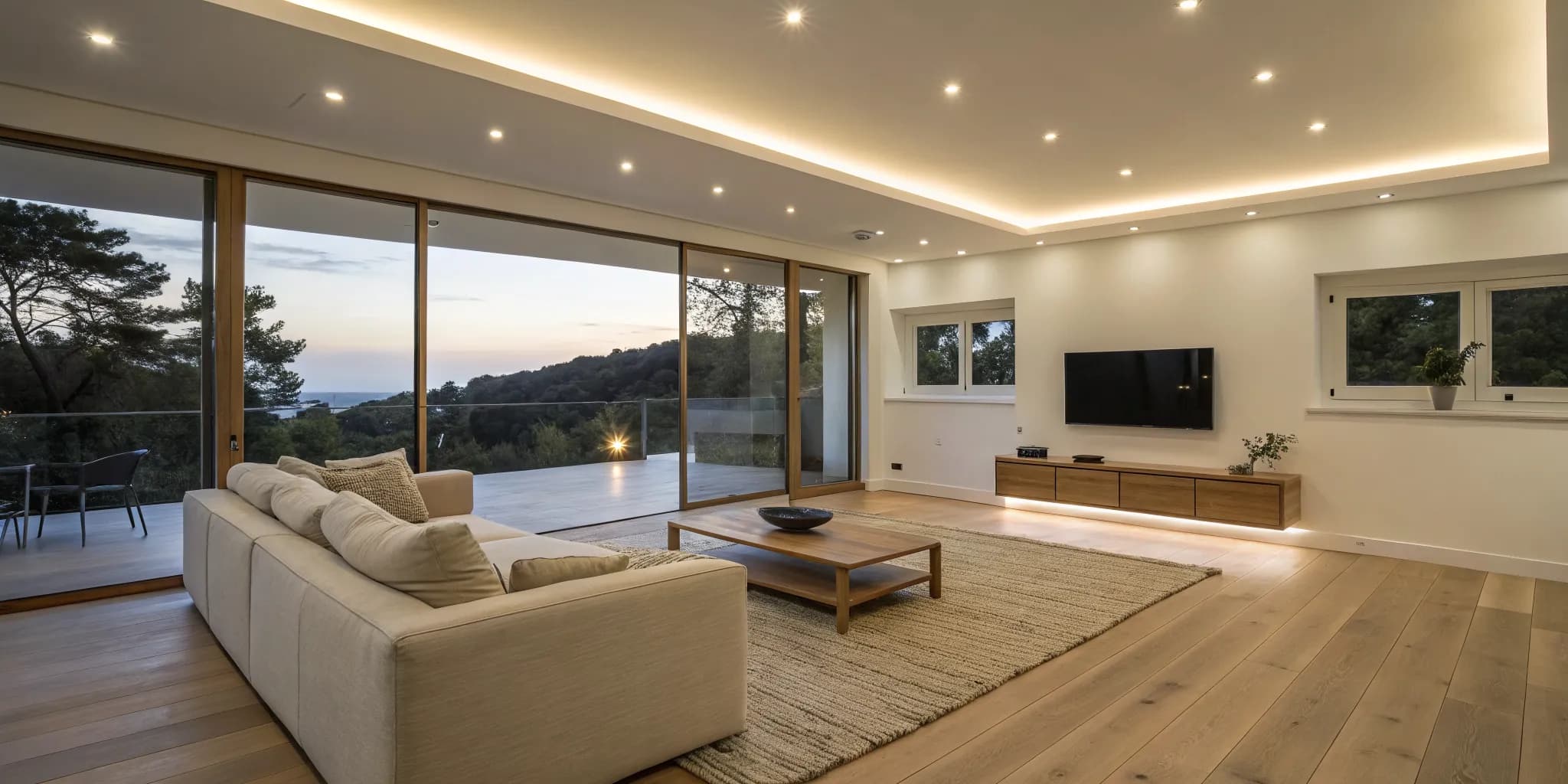
When you’re painting a room, you start with a coat of primer. It creates the perfect base that makes your final color look its best. In interior design, ambient lighting is your primer. It’s the foundational layer of light that fills a space, providing soft, general illumination that allows you to see and move around comfortably. Without this base layer, other lighting elements, like a focused reading lamp or a dramatic accent light, can feel harsh and out of place. Getting this first step right is the key to a layered, professional-looking design. It’s what makes a room feel cohesive, warm, and thoughtfully put together from the ground up.
Key Takeaways
- Think in three layers: A professionally lit room combines three types of light. Start with general ambient light, add focused task light for activities, and finish with accent light to highlight your favorite features.
- Control creates the atmosphere: The right mood is all about control. Use dimmers to adjust brightness, choose warm color temperatures (around 2700K) for relaxation, and consider smart lights for ultimate flexibility.
- Mix and match your fixtures: Create a balanced, polished look by using a variety of fixtures. Place lights at different heights, like combining a ceiling light with floor lamps and wall sconces, to eliminate shadows and add depth.
What Is Ambient Lighting?
Think of ambient lighting as the foundation of your room's lighting plan. It’s the soft, general illumination that fills a space, allowing you to see and move around comfortably and safely. This is your primary light source, the one you flip on when you first walk into a room. It provides a comfortable level of brightness without harsh glare, setting the overall tone for the space.
Getting this foundational layer right is the first step to creating a room that looks and feels balanced. It’s the difference between a space that feels stark and unwelcoming and one that feels warm and inviting from the moment you enter. Once you have your ambient light in place, you can layer other types of lighting on top to add personality and function.
Ambient vs. Task and Accent Lighting
Lighting design generally involves three categories of lighting: ambient, task, and accent. Too often, people rely on just one type, which is why a room can feel "off" without you knowing exactly why. Ambient light is your general, all-over illumination, like a ceiling fixture or recessed lights.
Task lighting is more focused, designed to help you complete a specific activity. Think of a reading lamp by your favorite armchair, under-cabinet lights for chopping veggies in the kitchen, or a desk lamp where you work. Accent lighting is the most dramatic of the three. It’s used to highlight specific features in a room, like a piece of art, a textured wall, or a beautiful houseplant, adding depth and visual interest.
Why Good Lighting Is a Game-Changer
Great ambient lighting does more than just help you avoid bumping into furniture. It has the power to turn a regular house into a comfortable, welcoming home. It’s not just about seeing; it’s about feeling. The right lighting creates a warm, balanced atmosphere that can influence your mood and make your space feel more relaxing.
Beyond the vibe, good lighting is also practical. It helps prevent your eyes from getting tired or strained, which is especially important in rooms where you spend a lot of time. By providing a soft, even glow, ambient light reduces harsh shadows and creates a sense of openness. It’s the secret ingredient that makes your home feel cohesive, comfortable, and completely yours.
Where Does Ambient Light Come From?
Ambient light is the foundation of any good lighting plan, providing the general illumination that makes a room usable and comfortable. It’s the soft, even glow that fills the space and sets the overall mood. This essential light comes from several sources, both built-in and freestanding, and learning to combine them is the key to a beautifully lit home.
Overhead Fixtures
The most common source of ambient light comes from above. Overhead fixtures are designed to cast light over a wide area, filling the room from the top down. This is your primary, workhorse lighting. Think of the main light you flip on when you first walk into a room.
These fixtures include everything from chandeliers and pendants to flush mounts and recessed lighting. The goal is to provide a comfortable level of brightness that prevents tripping over furniture and makes the space feel welcoming. It’s the base layer of light that you’ll build upon with other, more focused types of lighting.
Floor and Table Lamps
While often used for task lighting, floor and table lamps are fantastic contributors to a room's ambient light. Because their light source is lower and often diffused by a lampshade, they create a softer, more intimate glow than overhead fixtures. Using several lamps placed strategically around a room helps to balance the light and eliminate dark corners.
This approach makes a space feel cozier and more inviting. Instead of one bright, central source, you get pools of warm light that blend together. This is an easy way to add depth and dimension to your living room or bedroom, making the overall lighting feel more layered and sophisticated.
Natural Light
Never underestimate the power of the sun. During the day, natural light is the best ambient light source you have, and it’s completely free. Large windows, glass doors, and skylights can fill a room with bright, beautiful light that makes any space feel more open and airy. When planning your room, always harness natural light as your starting point.
To make the most of it, use sheer curtains that allow light to filter through while still providing privacy. You can also use mirrors to bounce natural light deeper into a room. Connecting your indoor spaces with the outdoors not only brightens your home but also has a positive effect on your mood.
Modern Options: LEDs and Smart Lighting
Technology has given us incredible control over our home’s atmosphere. Smart lighting, particularly LED systems, allows you to adjust your ambient light with the tap of a button. You can change not only the brightness but also the color temperature to perfectly match the time of day or the mood you want to create.
Imagine your lights shifting to a cool, crisp white in the morning to help you feel alert, then transitioning to a warm, soft glow in the evening to help you relax. Many smart lights can be automated or controlled with voice commands, making it effortless to create the perfect ambiance for any occasion, from a quiet night in to a lively dinner party.
How Ambient Lighting Shapes Your Space
Think of ambient lighting as the foundation of your room’s design. It’s more than just a way to see in the dark; it’s a powerful tool that can completely change how a space feels. The right ambient light can make a small room feel more open, a large room feel cozier, and highlight your favorite furniture and colors. It’s the secret ingredient that ties everything together, creating a cohesive and intentional atmosphere. Good lighting has a profound psychological effect, influencing everything from our mood to our productivity.
When you get your ambient lighting right, you create a comfortable, inviting environment that just feels good to be in. It’s the difference between a room that feels sterile and one that feels like home. By understanding how to use it, you can set the perfect mood, make your space more functional, and create a look that feels polished and complete. Let’s look at the three main ways ambient lighting works its magic: by setting the mood, improving comfort, and using color temperature.
Setting the Mood
Ambient lighting is your primary tool for setting the emotional tone of a room. It’s what creates that cozy, welcoming “vibe” that makes you want to curl up on the sofa. Soft, warm, and diffused light tends to make a space feel calmer and more intimate, which is why it’s a great choice for living rooms and bedrooms. You can create a cozy home simply by choosing the right kind of general light. Installing dimmers is one of the easiest ways to get control over the mood, allowing you to transition from bright and social to low and relaxed with a simple adjustment.
Improving Functionality and Comfort
While soft light is great for relaxing, it’s not always practical. You still need to be able to see what you’re doing, whether you’re chopping vegetables in the kitchen or reading in bed. Good ambient lighting provides a comfortable level of brightness throughout the room, reducing harsh shadows and preventing eye strain. It serves as the base layer of light that makes a room usable. The goal is to balance aesthetics and function, ensuring that your general lighting is bright enough for safe, everyday activities without feeling harsh or clinical.
The Impact of Color Temperature
Have you ever noticed how some light bulbs give off a warm, yellowish glow while others cast a cool, blueish-white light? That’s color temperature, and it has a huge impact on the feel of your space. Warm temperatures (around 2700K) create a cozy, relaxing atmosphere, while cool temperatures (4000K and up) feel more crisp and energizing, similar to daylight. Using the wrong color temperature, or mixing different ones in the same room, can make the environment feel off and uncomfortable. To avoid common indoor lighting mistakes, try to stick with a consistent color temperature for all the ambient fixtures in a single room.
Find the Right Fixture for Your Room
Once you understand the role of ambient light, you can start picking out the fixtures that will bring your vision to life. The right hardware not only provides light but also acts as a key decorative element that ties your room together. From subtle, built-in options to dramatic statement pieces, each type of fixture serves a different purpose. Let's walk through the most common choices to help you find the perfect match for your space.
Flush and Semi-Flush Mounts
If you have lower ceilings or just prefer a minimalist look, flush and semi-flush mounts are your best friends. These fixtures sit directly against the ceiling (flush) or hang just a few inches below it (semi-flush). They provide excellent general illumination without taking up much visual space, making them perfect for hallways, bedrooms, and closets. Because they offer a clean and unobtrusive look, they blend seamlessly into almost any decor style. Think of them as the quiet, hardworking foundation of your lighting plan, delivering broad, even light across the entire room.
Chandeliers and Pendants
Want to make a statement? A chandelier or pendant light is the way to go. These hanging fixtures double as art, creating beautiful focal points in dining rooms, entryways, or over a kitchen island. While they are definitely decorative, they also provide essential ambient light. A chandelier can fill a large living room with a warm, inviting glow, while a row of pendants can perfectly illuminate a long countertop. The key is to choose a size and style that complements your room's scale and your personal taste without overwhelming the space.
Recessed Lighting
For a modern and streamlined feel, recessed lighting is an amazing option. These fixtures, also known as can lights or downlights, are installed directly into the ceiling, so all you see is a clean trim and the light itself. This creates a very sleek look that can make a room feel bigger and brighter. Because you can place them strategically, they are fantastic for achieving even illumination throughout a space, washing walls with light, or eliminating dark corners. They are especially popular in kitchens, basements, and living rooms with contemporary designs.
Wall Sconces
Don't forget about your walls! Wall sconces are a brilliant way to add another layer of light and enhance the overall ambiance. They cast a soft, diffused light upwards, downwards, or out to the sides, which helps to make a room feel cozier and more balanced. Sconces are particularly effective in hallways, flanking a bathroom mirror, or next to a bed in place of a table lamp. They complement overhead fixtures by filling in shadows and adding a touch of warmth and character to your walls.
How to Light Every Room in Your Home
Getting your ambient lighting right is a room-by-room process. Each space has a different purpose, so your lighting strategy should adapt to fit. Here’s a simple breakdown of how to approach the main rooms in your house, from the living room to your home office.
The Living Room
Your living room is where you relax, entertain, and spend time with family, so the lighting needs to be flexible. The goal is to make the space feel balanced and welcoming. A great ambient lighting plan is a key part of creating the right mood for everything from a movie night to a lively get-together. Start with a central overhead fixture on a dimmer, like a stylish flush mount or a chandelier. Then, layer in floor and table lamps in corners and next to seating areas to create warm, inviting pools of light and eliminate any harsh shadows.
The Bedroom
The bedroom should be your personal sanctuary, and the lighting plays a huge role in that. Ambient light can create a wonderfully calming atmosphere, making it the perfect setting for winding down. Opt for soft, warm light to make the room feel extra cozy. Instead of a single, bright overhead light, consider using bedside table lamps, wall sconces, or even a floor lamp in a corner. If you do have a ceiling fixture, make sure it’s on a dimmer so you can adjust the intensity from bright for cleaning to soft and relaxing for the evening.
The Kitchen
Kitchens are workhorses, so they require a smart mix of lighting. You need bright, clear light for chopping and cooking, but you also want a comfortable glow for when you’re just grabbing a snack or chatting over coffee. To get the best of both worlds, combine ambient ceiling fixtures with focused task lights. Recessed lighting or a good flush mount can provide the general ambient light. Then, add under-cabinet strips to illuminate your countertops. This layered approach keeps the space functional without feeling like an operating room.
The Dining Room
In the dining room, it’s all about creating an intimate and inviting atmosphere that encourages conversation. The right ambient lighting is essential for enhancing the dining experience and making meals feel special. A pendant light or chandelier centered over the dining table is the classic choice for a reason; it defines the space and acts as a beautiful focal point. The most important feature here is a dimmer switch. It allows you to dial the light down for a cozy dinner party or turn it up when the table is being used for homework or a board game.
The Home Office
Good lighting in a home office is non-negotiable for productivity and comfort. Poor lighting can cause headaches and eye strain, which is the last thing you need when you’re trying to focus. While a good desk lamp is crucial for task lighting, you also need a solid ambient base to reduce harsh contrasts. This ensures your main work areas get enough light to facilitate safe and accurate work without making you squint. A simple ceiling fixture or a well-placed floor lamp can provide the general illumination you need to stay comfortable and focused all day.
Common Lighting Mistakes (and How to Fix Them)
Getting your lighting right can feel tricky, but often it just means avoiding a few common missteps. The good news is that most of these mistakes are easy to fix without needing a major overhaul. A few simple adjustments can completely change the feel of your room, making it more inviting and functional. Let’s walk through the most frequent lighting errors and the straightforward ways you can correct them.
Mistake: Relying on a Single Light Source
Have you ever walked into a room with one super-bright overhead light and felt like you were on a stage? That’s the problem with relying on a single light source. It can create a harsh glare that causes eye strain and makes a space feel flat and uninviting. A room needs more than one point of light to feel balanced and comfortable.
The fix is to layer your lighting. Instead of just one ceiling fixture, add a floor lamp next to your sofa or a small table lamp on a side table. This approach mixes different light sources to create a warm, welcoming atmosphere and eliminates harsh shadows. It’s one of the simplest ways to make your home feel professionally designed.
Mistake: Getting the Color Temperature Wrong
Not all light bulbs are created equal. The color of the light they emit, known as color temperature, has a huge impact on a room's mood. Using a cool, blue-toned light in a cozy living room can make it feel sterile, while a very warm, yellow light in a kitchen can make it hard to see what you’re doing.
To fix this, pay attention to the Kelvin (K) scale on the bulb’s packaging. For relaxing spaces like bedrooms and living rooms, look for a warm white (2700K–3000K). For functional areas like kitchens, home offices, and bathrooms, a cooler, neutral white (3500K–4500K) is usually better. Using dimmable lighting also gives you the power to adjust the intensity for different activities throughout the day.
Mistake: Ignoring Shadows and Dark Corners
When all your light comes from overhead, it can cast unflattering shadows and leave the corners of your room feeling dark and gloomy. This makes a room feel smaller and less interesting. Good lighting should wash the entire room in a gentle glow, drawing your eye around the space and making it feel more open.
To fix this, use light to create depth and visual interest. Place a small lamp on a bookshelf, tuck an uplight behind a large plant, or install a wall sconce in a dim hallway. These extra points of light will fill in the dark spots, add dimension, and make your space feel more dynamic and thoughtfully put together.
Mistake: Skipping Dimmers
If your lights only have two settings, on and off, you’re missing out on a world of possibilities. A room’s lighting needs can change throughout the day. You might want bright light for cleaning or working, but a soft, low light for watching a movie or having dinner. Without dimmers, you lose that flexibility.
The fix is simple: install dimmer switches. They are especially useful in multi-functional rooms like living rooms and dining rooms. Dimmers allow you to instantly change the atmosphere of a room to suit your activity and mood. For many fixtures, swapping out a standard switch for a dimmer is a quick and inexpensive project that offers a huge return in comfort and control.
Mistake: Forgetting Natural Light
The best light source is free, and it’s the one we most often forget: the sun. Relying solely on artificial light when you have beautiful daylight available can make your home feel disconnected from the outdoors. Failing to harness natural light is a missed opportunity to make your space feel brighter, bigger, and more energizing.
To fix this, think about how you can let more daylight in. Swap heavy drapes for sheer curtains that offer privacy without blocking the sun. Place a large mirror on the wall opposite a window to reflect light deeper into the room. Even just keeping your windows clean can make a surprising difference. Working with your home’s natural light will reduce your reliance on electricity and make every room feel more alive.
How to Layer Light Like a Designer
If you’ve ever walked into a room that just felt right, chances are it had great lighting. Professional designers know that the secret isn’t finding one perfect fixture, but layering multiple light sources to create a space that’s both beautiful and functional. Thinking of your room’s lighting in three distinct layers (ambient, task, and accent) is the key. This approach gives you a balanced, flexible scheme that can adapt to any activity or mood. It’s about creating a cohesive system where each light has a specific job, but they all work together to make your space feel complete.
Start with an Ambient Base
Think of ambient light as the foundation of your room's lighting plan. It’s the general, all-over illumination that lets you move around comfortably and safely. This is your main light source, the one you flip on when you first enter a room. Its job is to provide a consistent level of brightness and set the overall tone. Common sources of ambient lighting include ceiling fixtures like chandeliers or flush mounts, recessed lights, or even natural light from windows. Getting this base layer right ensures your room feels welcoming and eliminates large, dark shadows, creating a perfect canvas for the other layers.
Add Task Lighting for Activities
Once your ambient base is set, it’s time to get specific. Task lighting is exactly what it sounds like: focused light for the things you do in a space. While soft, general light is great for relaxing, it won't do you any favors when you're trying to chop vegetables, read a book, or apply makeup. Adding dedicated task lighting in these key areas makes activities safer and reduces eye strain. Think under-cabinet lights in the kitchen, a reading lamp by your favorite armchair, or a desk lamp in your home office. These focused beams of light provide the clarity you need to get things done without having to flood the entire room with harsh brightness.
Use Accent Lighting to Add Drama
This is where you get to play and add personality to your space. Accent lighting is the finishing touch that creates visual interest and draws attention to the things you love. Use it to highlight a piece of art, an interesting architectural feature like a textured wall, or a beautiful houseplant. Accent lights are typically three times brighter than the ambient light around them to create a noticeable focal point. Options like track lights, picture lights, or even a simple uplight placed behind a plant can add depth, dimension, and a touch of drama. This is the layer that turns a well-lit room into a truly stunning one.
Take Control with Dimmers and Smart Tech
A layered lighting plan is great, but what makes it truly dynamic is control. Installing dimmers is one of the easiest and most effective upgrades you can make. They give you the power to instantly adjust the brightness of your ambient and accent lights to suit any occasion, from a lively dinner party to a quiet movie night. For even more flexibility, consider smart lighting. Smart bulbs and switches allow you to control your lights with an app or your voice, set schedules, and even change the color of the light to perfectly match your mood. This level of control ensures your lighting is always working for you.
5 Things to Consider Before You Buy
Before you start adding fixtures to your online cart, take a moment to think through a few key details. Planning ahead ensures you choose lighting that not only looks great but also functions perfectly for your space. Considering these five factors will help you make a confident decision and create a home you love spending time in.
Room Size and Ceiling Height
The scale of your lighting should match the scale of your room. A tiny flush mount will get lost in a grand living room with vaulted ceilings, while a massive chandelier can easily overwhelm a small bedroom. You need to determine how many lumens are needed based on the size and purpose of the room. Lumens are simply a measure of brightness. A home office needs more lumens for focused work than a bedroom does for relaxing. Ceiling height also plays a big role in your choice of fixture. Low ceilings usually call for flush or semi-flush mounts, while high ceilings give you the freedom to install dramatic pendants or chandeliers.
Your Room's Color Palette
The light you choose has a huge impact on your wall colors and overall decor. As lighting experts note, ambient light can change how colors in a room look, making a light blue bedroom feel warm and moody in the evening. A warm, yellow-toned light will bring out the warmth in beige, cream, and wood tones, while a cool, blue-toned light can make grays and blues appear crisper. Before you commit to a fixture or bulb, consider how its light will interact with your existing color scheme. You can even test different bulbs in a lamp to see how they affect your paint colors at different times of day.
Energy Efficiency and Bulb Types
Your light fixtures are a long-term investment, and the bulbs you use affect both your wallet and the environment. LED lighting is a popular choice known for its energy efficiency and long lifespan. While LED bulbs might cost a bit more upfront, they use significantly less energy and can last for years, saving you money on your electricity bill and the hassle of frequent replacements. They also come in a wide range of color temperatures and brightness levels, giving you plenty of options to get your ambient lighting just right.
Smart Home Compatibility
If you love convenience and technology, integrating smart lighting is a fantastic option. As the team at LIFX explains, "Smart lighting lets you easily change the brightness and color of your ambient light." Imagine dimming the lights for movie night or changing their color to match your party's theme, all from your phone or with a simple voice command. Many smart lighting systems allow you to set schedules, create custom "scenes" for different activities, and control your lights even when you're away from home. This level of customization makes it easier than ever to perfect your home's atmosphere.
Budget and Fixture Style
Finally, let's talk about budget and style. Lighting fixtures come in a massive range of prices, so it’s helpful to set a budget before you start shopping. Remember to account for the cost of bulbs and potential installation. Once you have a number in mind, you can focus on the fun part: style. Whether you love a beachy, woodsy vibe with fixtures featuring wooden beads and rope or prefer a sleek, modern look, choose pieces that complement your home's decor. Don't be afraid to mix and match, but try to maintain a cohesive feel throughout your space by sticking to a similar finish or shape.
Tips for a Polished, Cohesive Look
Once you have your lighting layers in place, the final step is to tie everything together for a professional, intentional look. Think of it like putting the finishing touches on a project. A cohesive design doesn't happen by accident; it’s the result of thoughtful choices that make every element in a room feel like it belongs. Each fixture and every ray of light should contribute to a single, unified story. This is where you can really let your personal style shine through and create a space that feels uniquely yours.
Creating this visual harmony is about more than just picking things you like. It’s about ensuring your lighting fixtures, furniture, and decor all speak the same design language. When your lighting complements your room's style, it creates a sense of balance and intention. A few simple strategies can make a world of difference, turning a collection of lights into a sophisticated lighting scheme. From matching your fixtures to your decor to using reflective surfaces to your advantage, these tips will help you add that final layer of polish. It’s all about making smart, strategic decisions that make your space feel both beautiful and complete.
Match Fixtures to Your Room's Style
Your light fixtures are functional, but they're also key decorative elements. To create a cohesive look, your fixtures should match the overall style of your room. Whether your home is minimalist, bohemian, or industrial, your lighting should feel like a natural extension of that aesthetic. As design experts note, every item in a room should follow the same visual identity. For a modern living room, you might choose a sleek, metallic floor lamp. For a rustic farmhouse kitchen, a chandelier made of wood or wrought iron would feel right at home. The goal is to select fixtures that don't just light the room, but also enhance its interior design style.
Use Reflective Surfaces Strategically
A well-lit room often feels larger and more inviting, and you can achieve this effect by making the most of your light sources. One of the best ways to do this is by incorporating reflective surfaces into your decor. Mirrors are the most obvious choice, as they can double the amount of light in a space by bouncing it around the room. But you can also use other materials to achieve a similar effect. Consider furniture with a glossy finish, metallic decor accents, or even light-enhancing materials like brushed metal and matte opal glass in your fixtures. These surfaces will catch and diffuse both natural and artificial light, helping to brighten dark corners and create a more open, airy atmosphere.
Place Lights at Different Heights
If you rely on a single overhead light, you're likely creating harsh shadows and an unevenly lit space. The secret to balanced, beautiful lighting is to place your light sources at different heights throughout the room. This is a core principle of lighting layering and it’s essential for creating depth and visual interest. Combine an overhead fixture for general ambient light with a floor lamp standing in a corner and a smaller table lamp on a side table. This approach ensures light is dispersed evenly from top to bottom, creating a warm, welcoming glow instead of a flat, one-dimensional look. It makes the room feel more dynamic and thoughtfully designed.
Use Apps to Plan Your Lighting Design
Technology has made it easier than ever to plan and control your home's lighting. Smart lights and dedicated apps let you experiment with brightness, color, and temperature without touching a single wire. You can test different lighting schemes for different times of day or activities, all from your phone. This allows you to visualize the final effect before you commit, much like how you can bring a website idea to life in minutes with an Airo AI Builder. Using an app to control your smart lighting gives you the flexibility to fine-tune your ambient light until it’s perfect, ensuring your space always has the right vibe.
Ready to Light Up Your Space?
Creating the perfect ambiance in your home really starts with understanding the power of ambient lighting. Think of it as the foundational layer of your entire lighting plan. It provides that soft, general illumination that gives a room a comfortable brightness without any harsh glare. This is the light that makes your home feel warm and balanced, and it’s essential for setting the right mood in your living spaces.
To get that ideal balance in your design, remember to layer your light sources. When you combine ambient lighting with task and accent lighting, you ensure light is spread evenly throughout the room. This approach improves both the look and the function of your space. You can find great visual guides on how to light a space that show this principle in action.
You can also enhance your ambient lighting by making the most of natural light. Harnessing daylight from windows and skylights creates a beautiful, seamless connection between your indoor rooms and the outdoors. This simple step can enrich the overall atmosphere of your home more than you might think.
So, whether you're redesigning an entire room or just looking to improve your current setup, remember that ambient lighting is your starting point. Getting this foundational layer right is the key to creating a space that feels both inviting and uniquely yours.
Frequently Asked Questions
What’s the real difference between ambient, task, and accent lighting? Think of it this way: ambient light is your room's main, all-over glow, like the general light from a ceiling fixture that lets you see everything. Task lighting is your focused helper, like a reading lamp that shines directly on your book. Accent lighting is the spotlight, used to highlight something specific you want to show off, like a piece of art or a cool textured wall.
My room feels dark even with an overhead light. What am I doing wrong? This is a super common issue. When all your light comes from one spot overhead, it can create harsh shadows and leave the corners of your room feeling gloomy. The fix is to add more light sources at different heights. Try placing a floor lamp next to a chair or a small table lamp on a console table to help spread a warm, even glow throughout the entire space.
How do I pick the right light bulb so my room doesn't feel like an office or a cave? You're talking about color temperature, and it makes a huge difference. For a cozy, relaxing feel in living rooms and bedrooms, look for bulbs labeled "warm white," which is usually around 2700K. For functional spaces like kitchens or home offices where you need to see clearly, a "neutral white" or "cool white" bulb around 3500K to 4500K is a better choice.
What's the best ambient lighting for a room with low ceilings? For rooms with lower ceilings, your best options are flush mounts or semi-flush mounts. These fixtures sit very close to the ceiling, so they provide excellent general illumination without taking up precious vertical space or making the room feel crowded. They give you that foundational ambient light in a clean, unobtrusive way.
Do I actually need dimmer switches? While not strictly necessary, installing dimmers is one of the best and easiest upgrades you can make. They give you complete control over your room's atmosphere. You can have bright light when you need to clean or work, and then dial it down for a soft, relaxing glow during dinner or movie night. It makes any room far more flexible.